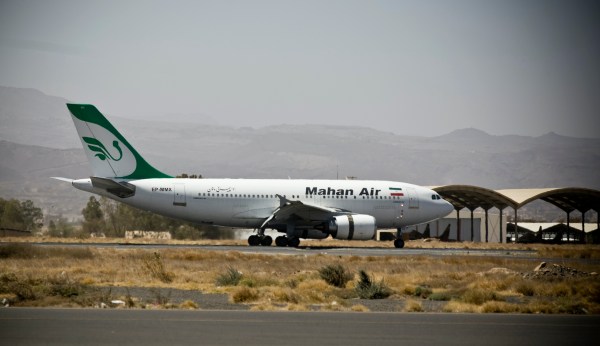
Russia and Iran aren’t the best of friends

<mediadc-video-embed data-state="{"cms.site.owner":{"_ref":"00000161-3486-d333-a9e9-76c6fbf30000","_type":"00000161-3461-dd66-ab67-fd6b93390000"},"cms.content.publishDate":1657728770028,"cms.content.publishUser":{"_ref":"00000172-ebac-d265-adff-fffc847c0001","_type":"00000161-3461-dd66-ab67-fd6b933a0007"},"cms.content.updateDate":1657728770028,"cms.content.updateUser":{"_ref":"00000172-ebac-d265-adff-fffc847c0001","_type":"00000161-3461-dd66-ab67-fd6b933a0007"},"rawHtml":"

var _bp = _bp||[]; _bp.push({ "div": "Brid_57728765", "obj": {"id":"27789","width":"16","height":"9","video":"1052397"} }); ","_id":"00000181-f854-dfae-a399-ff7c488f0000","_type":"2f5a8339-a89a-3738-9cd2-3ddf0c8da574"}”>Video EmbedNational security adviser Jake Sullivan made some news on Monday. He announced that the “Iranian government is preparing to provide Russia with up to several hundred [unmanned aerial vehicles], including weapons-capable UAVs on an expedited timeline.”
Based on that statement, you would be forgiven for assuming Moscow and Tehran were co-belligerents in the war in Ukraine or in the process of striking their own military alliance. The relationship between the two is far more complicated. Russia-Iran cooperation isn’t ironclad — it’s issue-driven.

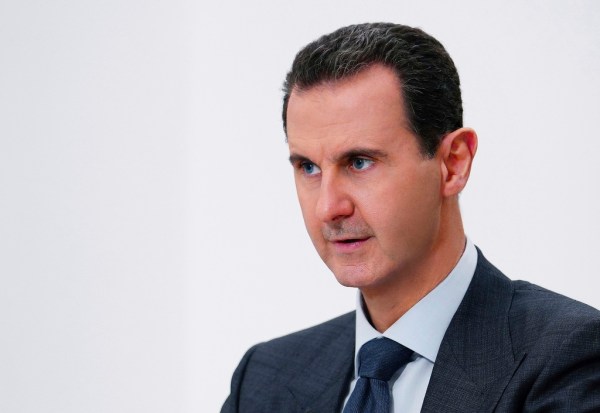
In Syria, the Russians and Iranians were clearly on the same side. In 2015, when Syrian government forces were being routed and it looked as if dictator Bashar Assad’s days were numbered, Islamic Revolutionary Guard Corps leader Qassem Soleimani, who was killed in a U.S. drone strike in January 2020, traveled to Moscow to meet with Russian President Vladimir Putin on how to save Assad’s skin. Putin, who viewed Assad as a useful pawn and a far better alternative than the jihadis, approved a Russian air campaign months later. This pulverized the Syrian opposition, clearing the way for Assad to recapture most of the country.

Russia and Iran also share a mutual loathing of the United States, albeit for their own specific reasons. The Iranians have had bad blood with America since 1979 and the Islamic Revolution. With the exception of a few bright spots such as U.S. and Iranian cooperation against the Taliban immediately after 9/11 and the signing of a nuclear agreement in 2015, the U.S.-Iran relationship has been riven by mutual contempt and a desire to undermine one another.

Moscow’s relations with Washington have had their ups and downs, but interactions between the world’s two largest nuclear weapons powers have been dreadful ever since Putin returned to his throne after Dmitry Medvedev’s four-year interlude. Today, thanks to the war in Ukraine, arms control talks are suspended, trade (never large to begin with) is heavily curtailed, and the two are torpedoing one another’s initiatives at the U.N.

Still, Tehran and Moscow also have their differences. Some are significant.

They have differing visions of what Syria should look like in the future. Iranian and Russian businesses are competing in the same sectors of the Syrian economy, hoping to grab some economic rewards as compensation for the considerable expense on Assad’s behalf. Moscow certainly hasn’t intervened when Israel conducts air strikes against Iranian-linked militias. With respect to oil, Iran and Russia are basically adversaries constantly searching for market share. U.S. and EU sanctions on Russian crude have forced Moscow to entice buyers with steep discounts, roughly $20 to $30 below market value. So far, the gambit has worked. Thanks to higher oil prices in general and the attractive terms, the Kremlin has netted tens of billions of dollars in revenue since the war in Ukraine began.

But what’s good for Russia isn’t necessarily good for Iran. With more Russian oil going to Asia, Iranian oil is getting squeezed out of the market. One Iranian oil trader has suggested that Tehran’s crude exports to China, a major lifeline, are down by more than a third from before the war in Ukraine. Iran will either have to find new buyers elsewhere, which is quite difficult since U.S. secondary sanctions remain in effect, or undercut Russia with even bigger discounts.

As the old saying goes, “The enemy of my enemy is my friend.” Until he isn’t.

Daniel DePetris (@DanDePetris) is a contributor to the Washington Examiner’s Beltway Confidential blog. His opinions are his own.

Related Content