

Hamas is still preventing the International Committee of the Red Cross from visiting with and caring for the more than one hundred hostages still in Gaza, now more than three months after they were kidnapped.
The Gaza-based terrorist group that runs the enclave took roughly 240 people hostage during the Oct. 7 Israeli massacre, while more than a hundred remain held against their will. Despite the Red Cross’s best efforts, they have not been able to meet with the hostages yet.
“We are speaking with Hamas including at the highest levels and face-to-face,” Elizabeth Gorman Shaw, Head of Communications for the ICRC, told the Washington Examiner. “We have to safeguard the space for these talks to take place. We work behind closed doors, speaking confidentially and directly. This is the approach here and that is our approach everywhere in the world, and we take it because we believe it’s the best way to get the results that we are all wanting; that these people get to go home.”
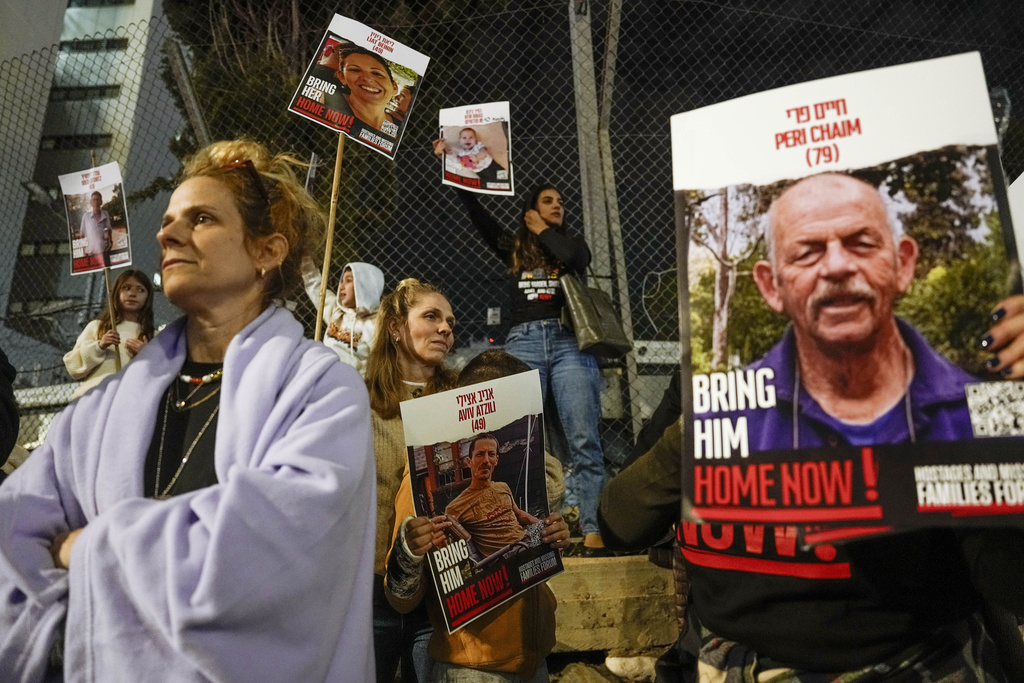
Two hostages were released on Oct. 20, two more were released on Oct. 24, and then 105 were released during a weeklong ceasefire in late November. Despite efforts from the United States, Egypt, and Qatar, all three of which acted as intermediaries during the first ceasefire negotiations, none of the hostages have been released since the war restarted after the conclusion of that temporary cessation in fighting.
“The ICRC has made repeated requests to receive information on the fate of the hostages, have access to them if alive, and to be allowed to pass on family news,” Shaw added. “However, such attempts have remained unsuccessful to date. We will continue to do all in our power to ascertain the fate of the missing and, as a main priority now, to gain access to them.”
Israeli officials have publicly called on the ICRC to put more pressure on Hamas to either release the hostages or allow them to be seen by Red Cross officials.
In mid-December, Prime Minister Benjamin Netanyahu urged International Committee of the Red Cross President Mirjana Spoljaric Egger “to place public pressure on Hamas,” to which she responded, “It’s not going to work because the more public pressure we seemingly would do, the more they would shut the door.”
U.S. Secretary of State Antony Blinken is currently in the Middle East, meeting with various leaders as the administration seeks to prevent a wider regional conflict and to plan for what happens after the war is over.
CLICK HERE TO READ MORE FROM THE WASHINGTON EXAMINER
“We’re intensely engaged exactly in that effort now to renew the pauses and the release of hostages,” he said on MSNBC on Wednesday. “Look, the hard — the hard part is the enemy gets a vote — Hamas. And so we’re doing everything we possibly can, working of course with the Israelis, working with Qatar, working with Egypt, countries that have relationships of one kind or another with Hamas, to put this back on track to continue getting hostages home. That’s really my No. 1 priority, No. 1 responsibility in this job.”
A handful of Americans remain among the hostages, while the well-being of all the hostages remains unknown.
