<mediadc-video-embed data-state="{"cms.site.owner":{"_ref":"00000161-3486-d333-a9e9-76c6fbf30000","_type":"00000161-3461-dd66-ab67-fd6b93390000"},"cms.content.publishDate":1656538644226,"cms.content.publishUser":{"_ref":"00000177-1b39-d2c7-af7f-5fbf13ff0004","_type":"00000161-3461-dd66-ab67-fd6b933a0007"},"cms.content.updateDate":1656538644226,"cms.content.updateUser":{"_ref":"00000177-1b39-d2c7-af7f-5fbf13ff0004","_type":"00000161-3461-dd66-ab67-fd6b933a0007"},"rawHtml":"
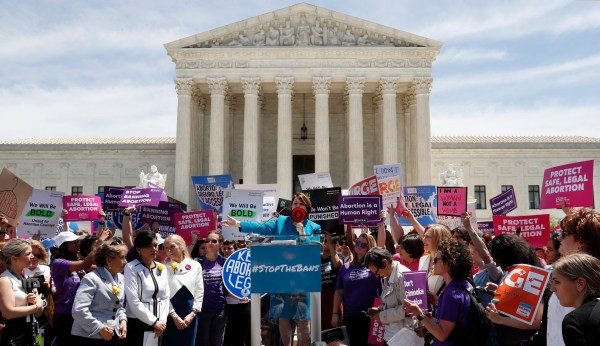
var _bp = _bp||[]; _bp.push({ "div": "Brid_56538487", "obj": {"id":"27789","width":"16","height":"9","video":"1042265"} }); ","_id":"00000181-b146-d447-ad8b-f1c6c6ba0000","_type":"2f5a8339-a89a-3738-9cd2-3ddf0c8da574"}”>Video EmbedIn the face of calls by some liberal lawmakers to impeach Republican-appointed Supreme Court justices who testified that the 1973 case Roe v. Wade was “settled law,” legal experts indicate such testimonies don’t amount to an instance of perjury, even if they are “misleading.”