
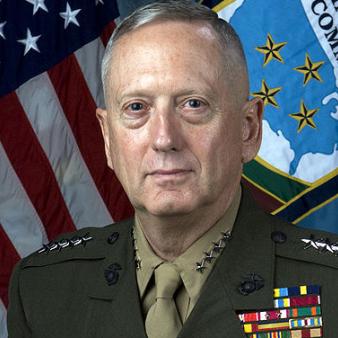
It seems clear that American civil-military relations have been healthiest when there is a high level of trust between civilian and military leaders, i.e. when there is mutual respect and understanding between them that leads to the exchange of candid views and perspectives between the two parties as part of the decision-making process.
On the one hand, the military must have a voice in strategy making, while realizing that politics permeates the conduct of war and that civilians have the final say, not only concerning the goals of the war but also how it is conducted. On the other, civilians must understand that to implement effective policy and strategy requires the proper military instrument and therefore must insist that soldiers present their views frankly and forcefully throughout the strategy-making and implementation process. This is the key to healthy civil-military relations.
Real journalism.Trusted by millions.
Unlimited access to in-depth reporting, expert analysis, and the stories that shape our country.
Already a member? Log in