US and Israel goals in Iran war differ, Gabbard and Ratcliffe confirm

The United States and Israel have similar but different objectives when it comes to their parallel wars in Iran, according to Director of National Intelligence Tulsi Gabbard and CIA Director John Ratcliffe.

“The objectives that have been laid out by the president are different from the objectives that have been laid out by the Israeli government,” Gabbard told lawmakers on the House Intelligence Committee on Thursday morning, acknowledging that each country’s targets indicate the difference in their priorities.

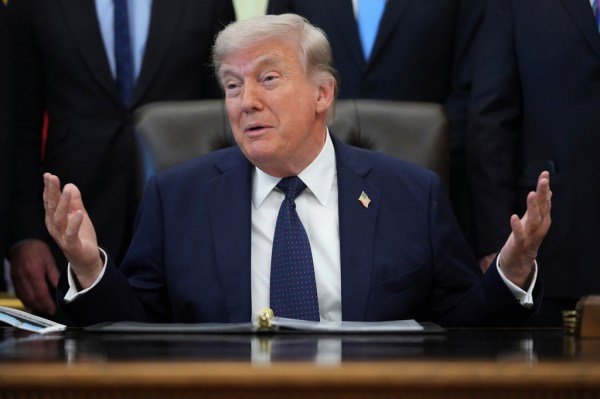
Similarly, Ratcliffe, who also appeared before the committee, said, “The president’s objectives with respect to Operation Epic Fury did not include regime change, that may be different from what Israel’s objectives were.”

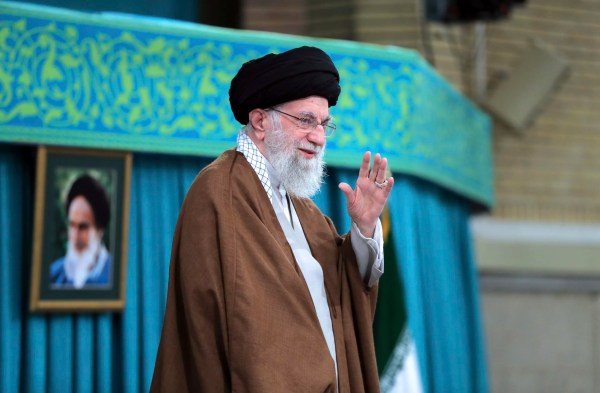
Israeli forces have targeted several senior Iranian leaders over the course of the nearly three-week war, most notably the supreme leader, Ayatollah Ali Khamenei, who was killed during the opening strikes of the war. They more recently targeted and killed Iran’s national security secretary, Ali Larijani; commander of the Islamic Revolutionary Guard Corps’s Basij unit, Gholamreza Soleimani; and senior Iranian intelligence official Esmaeil Khatib.

CIA Director John Ratcliffe, Director of National Intelligence Tulsi Gabbard, and FBI Director Kash Patel testify in front of the House Intelligence Committee on March 19, 2026.
CIA Director John Ratcliffe, Director of National Intelligence Tulsi Gabbard, and FBI Director Kash Patel testify in front of the House Intelligence Committee on Thursday, March 19, 2026, in Washington. (Graeme Jennings/Washington Examiner)

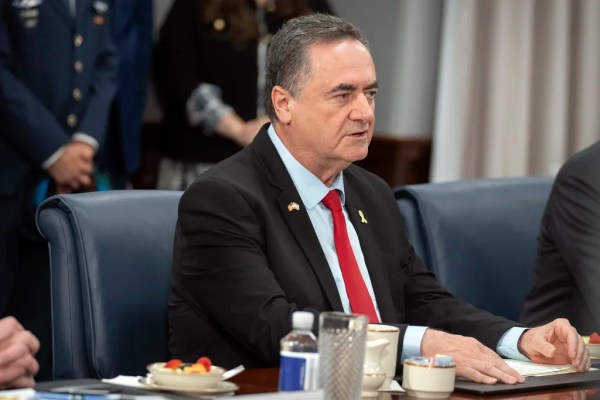
Israeli Defense Minister Israel Katz said this week, “Israel’s policy is clear and unequivocal: no one in Iran has immunity — everyone is a target.”

The status of the new supreme leader, Ayatollah Mojtaba Khamenei, remains unclear. The Iranian government has acknowledged he was wounded in early strikes of the campaign, but no proof of life has been offered, and his first address to the people as supreme leader was read on state television by a newscaster.

“We can see through the operations that the Israeli government has been focused on disabling the Iranian leadership and taking out several members, obviously beginning with the ayatollah, the supreme leader, and they continue to focus on that effort,” Gabbard added.

“The president has stated his objectives are to destroy Iran’s ballistic missile launching capabilities, their ballistic missile production capability, and their navy, the IRGC navy, and mine-laying capability,” she continued.

It is unclear how Israel and the U.S. will be able to square their different objectives when one or both try to end the conflict before the other’s goals have not yet been achieved. It is also unclear who the U.S. could negotiate with, should it decide to pursue a diplomatic end to the war, considering Israel could view those people as new targets.

MISSILE THREAT TO GROW EXPONENTIALLY OVER THE NEXT DECADE: INTELLIGENCE COMMUNITY

“The last job anyone in the world wants right now, senior leader for the IRGC or the Basij,” War Secretary Pete Hegseth said Thursday morning, referencing Iran’s internal security forces that are responsible for squashing protests and controlling the civilian population, calling those positions “temp jobs.”

Hegseth, in various press conferences since the war began on Feb. 28, has derided the open-ended Iraq and Afghanistan conflicts he served in and has maintained that this conflict will be different due to “narrow objectives,” though on Thursday, he declined to specify a time frame for when the conflict could end.

Related Content