

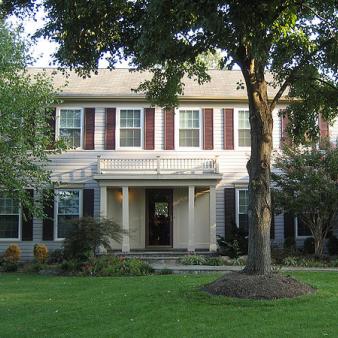
Hedge fund manager Barry Rosenstein is not a man to be fazed by the recent rise in mortgage interest rates. Nor is he one to worry that the housing market might be softening, loping the odd million off the $147 million he shelled out for an 18-acre beachfront home in the Hamptons, on New York’s Long Island Sound. So all is well in the housing market.
Not quite. Mr. Rosenstein bought in the high end of a bifurcated market, mirroring the differences in the fortunes of upper- and lower-income families. At the very top, the main problem seems to be a paucity of properties for sale: ready cash is chasing beachfront property, Greenwich estates, and high-rise condos atop Manhattan towers. At the other end of the market, first-time buyers and those hoping to move up a notch confront tight credit, higher interest rates, and prices, reducing affordability. Banks, responding to a government then pressuring them to make loans to low-income borrowers, are responding to a government now criticizing them for doing just that. They are demanding substantial down-payments and relatively robust income statements from potential buyers with stagnant incomes who, unlike Mr. Rosenstein, fear buying into a bubbly market from which several major investors are pulling back: the Blackstone Group has cut purchases of homes to be converted to rentals by 70 percent from last year’s level.
Stay informed.Stay ahead.
Join Washington Examiner for unlimited access to the news, analysis, and commentary that matter most.
Already a member? Log in
