July 12 just might have been the day on which the retail sector as we have known it here in America came to its end. If not its end, surely the beginning of its end. Amazon has an estimated 54 million Prime customers in the U.S. who pay $99 per year, and millions more around the world who pay about the same “free delivery.” Ignore pedants who ask how something for which you pay can be “free”. Customers love it. They have items shipped to them in one day, and in one hour in cities from New York to London. On July 12, Amazon’s second annual “Prime Day”, these customers could order kitchen, dining and bar items at 86 percent off usual prices; treat themselves to a 55-inch television set for $650, a $350 discount; buy watches at discounts of up to 60 percent, and snap up new deals that were offered every ten minutes. The result was a flood of orders, with Prime Day sales topping those on last year’s first Prime Day by 50 percent in the US and 60 percent worldwide. And beating Black Friday, the day after Thanksgiving, for many years the biggest shopping day of the year.
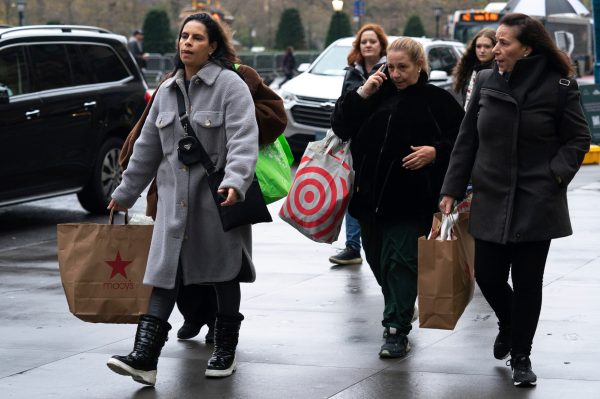
Amazon says this Christmas in July was its “biggest day ever.” Some 200,000 headphones, 14,000 Lenovo laptops, and hundreds of thousands of boxes of Cascade and Tide rolled out of its warehouses, capturing sales from all sorts of existing retailers — electronics stores, supermarkets, jewelry shops and department stores. The latter, of course, are already hard-hit by the growth in online purchases of apparel and accessories, estimated to rise to $71.8 billion by year-end from $48.5 billion as recently as 2013, an increase of 48 percent.