

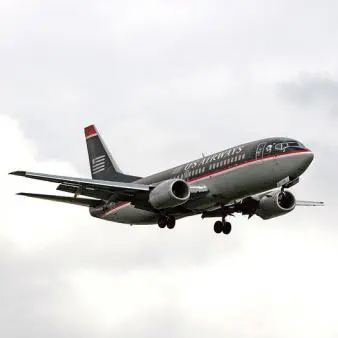
The antitrust lawyers I have served as a consultant often have the same complaint: Their clients don’t know when to shut up. This was certainly true of the executives of US Airways and American Airlines as they touted the virtues of their proposed $11 billion merger. US Airways president Scott Kirby reportedly said consolidation allows airlines to raise fees and charge for baggage, and the company’s CEO, Doug Parker spoke of the virtues of “rationalization,” which antitrust enforcers have always taken to mean higher prices and consumer harm. Now that the Justice Department has decided to sue to stop the merger, the airlines’ lawyers say these comments are taken out of context.
Forgotten by most observers is that American was practically forced into this merger by its much smaller prospective partner. US Airways, which in 2005 acquired America West without objection from the Justice Department, found American, which had previously acquired TWA, unreceptive to its overtures. The larger carrier painted a picture of its glorious future as a stand-alone airline once it emerged from bankruptcy. But US Air lobbied the unions and American’s creditors, painting an even more glorious picture of the virtues of a combined operation that would have 6,700 daily flights to 336 locations in 56 countries, making it by some measures the biggest airline in the world. Earnings would be stabilized. The airlines’ over 100,000 employees would have greater job security and higher wages, a plus for the trade unions. American’s creditors would be better off. Profits would rise. Passengers would get an improved network with more options and better connections. And US Air would drop out of the Star Alliance and join American in British Airway’s One World group, strengthening the attractiveness of BA’s frequent-flier program.
Stay informed.Stay ahead.
Join Washington Examiner for unlimited access to the news, analysis, and commentary that matter most.
Already a member? Log in
