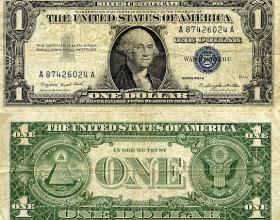
They came. They met. They dined. They whined. And then the finance ministers, gathered for the meetings of the International Monetary Fund and the World Bank, representing some of the most indebted countries in the world, flew out of Washington, filling the first class sections of most of the international flights leaving Dulles airport. There was some sound, a bit of fury, and nothing of significance done about the huge trade imbalances threatening long-run global prosperity. Add policy paralysis to the decision by the Federal Reserve Board to print more dollars, and the result is a rapid and significant collapse of the dollar, accelerated by two bits of news. America’s trade deficit with China hit a record last month, and China refuses to abandon its policy of keeping the value of its yuan pegged to the dollar, with the usual exception of allowing a slight upward movement in order to appease its critics in advance of an important international gathering.
So it’s on to Korea, and a meeting of finance ministers on October 22-23 in Gyeongju to prepare for the big talkfest when their bosses meet in Seoul on November 11-12. The prospects for coordinated international action are dim indeed. The key that might unlock the policy paralysis is in President Obama’s pocket. But he is reluctant to use it. For two reasons.