
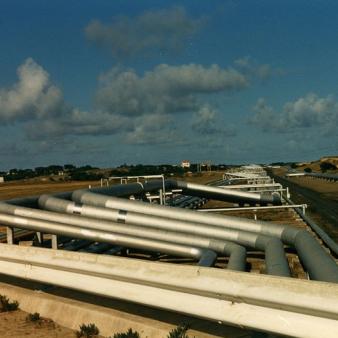
And we thought the bad old days of oil shocks were over. Embargoes, price spikes, gasoline lines in America, a sweater-bedecked president ordering the end of hot water in many facilities, collapsing retail sales as high gasoline and energy prices hit stores as much as a big tax increase would, economic stagflation, or worse. Well, it just might be that we were wrong to believe that danger to our continued prosperity has been removed with the death of theories about “Peak oil.”
Certainly, the takeover of part of Iraq by ISIS forces, variously called “militants,” “terrorists,” “gangsters,” and in White House circles thought to be disaffected Sunnis aching to participate in the government of a democratic Iraq, has set nerves jangling among energy planners. True, most of Iraq’s oil production, at around 3 million barrels per day the second highest of OPEC’s 12 members after Saudi Arabia’s 10 million, is in the south of the country, still far from the reach of the anti-government forces. But that does not necessarily mean that we can assume recent developments in Iraq will have little to do with the price of crude oil. Oil majors operating in the country have begun evacuating some personnel. Exxon Mobil has removed staff from two large fields in the south of Iraq. That might not shut down those fields, but it will certainly make it imprudent to count on Iraq to increase production in coming years to meet predicted demand increases. Which would mean higher oil prices, never good news for struggling Western economies.
In-depth coverageas the midterms
take shape.
Follow the latest midterm news, analysis, and expert perspectives with unlimited access.
Already a member? Log in