
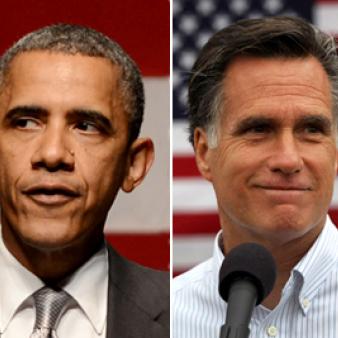
Friday’s jobs report might, but only might, have been the last one that will have any effect on the race to the White House. By the time the next report is published on November 2, only four days before the election, about 40 percent of all voters will have cast early or mail ballots. But the American Enterprise Institute’s Karlyn Bowman, a polling analyst, says that although we don’t really know how many undecided voters there are, “the best bet” is that about 5 percent of voters are undecided—7 percent in the key swing state of Florida. My own guess is that these Hamlets, if indeed they ever resolve their doubts and do vote, are unlikely to be among the early voters, and so just might be influenced by incoming data in the next 30 days.
Here are the facts. Total non-farm payrolls rose by 114,000 in September, with 104,000 of the new jobs added in the private sector. Previous estimates for July and August were increased by 86,000, primarily due to an upward revision in the number of government jobs added. Average hourly earnings and weekly hours worked, and the labor force participation rate all ticked up. The headline unemployment rate, computed from a separate survey of households rather than businesses, fell from 8.1 percent in August to 7.8 percent in September, prompting some conspiracy theorists, among them former GE boss Jack Welch, to claim the Labor Department cooked the books to bring the unemployment rate below that prevailing when President Obama took office, just in time for the election. Secretary of Labor Hilda Solis says she is “insulted,” as well she should be.
Real journalism.Trusted by millions.
Unlimited access to in-depth reporting, expert analysis, and the stories that shape our country.
Already a member? Log in