

Americans discard “perfectly good stuff,” which is how Roosevelt Montas came, in high school, to rescue Socrates from a “garbage pile.” The Harvard Classics series, two volumes of which Montas scored one fateful garbage day, was conceived early in the 20th century to fill the “intellectual needs of the average man.” Montas isn’t average. He came from the Dominican Republic to New York City just shy of the age of 12 “with a head full of lice and a belly full of intestinal parasites,” and he grew up to lead Columbia University’s Center for the Core Curriculum. Despite his story, the great books tradition he defends is often disparaged as elitist and white.
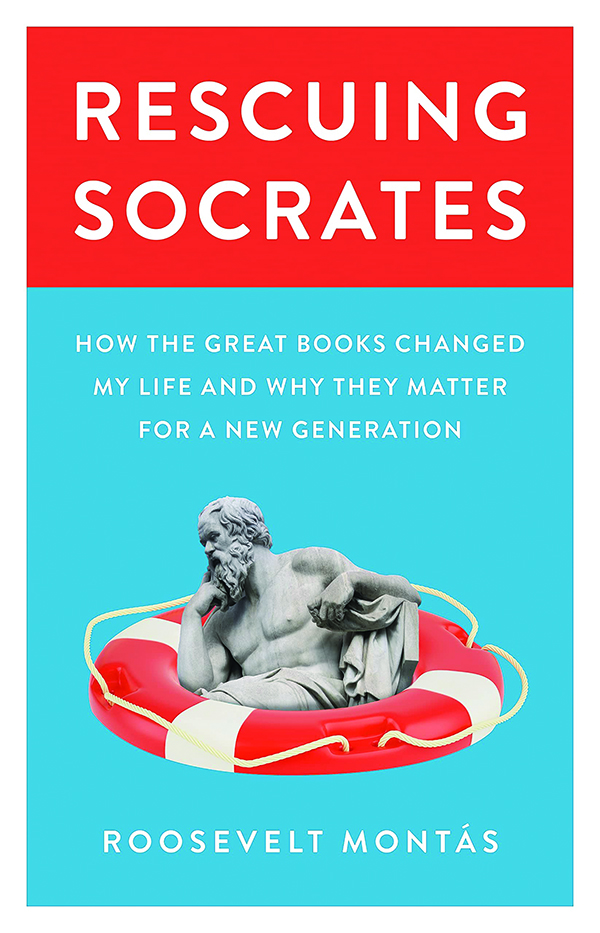
In Rescuing Socrates: How the Great Books Changed My Life and Why They Matter for a New Generation, Montas defends “liberal education based on the study of classics.” Though no conservative himself, he chides condescending liberals who righteously match minority students with “works in which they find their ethnic or cultural identities affirmed.” For Montas, the Dominican immigrant, it was Socrates, rising from a Harvard Classics volume “like a genie rubbed out of a lamp,” who spoke to his “deepest self.” Today, Montas directs Columbia’s Freedom and Citizenship program, which introduces low-income, mostly minority high school students to the study of classic works, including the dialogues he found in the dump. Many of those students take Socrates “seriously and personally,” including one who signed up “after several years of foster care, having been removed from an abusive mother in Harlem.” The idea that Socrates or Homer or St. Augustine is part of a white curriculum that demeans nonwhite students insults those it presumes to represent and constitutes a censorious presence in our education debates.
Real journalism.Trusted by millions.
Unlimited access to in-depth reporting, expert analysis, and the stories that shape our country.
Already a member? Log in