
Recently, some Republicans have developed the rather unfortunate habit of floating tax increases shortly after cutting taxes. The Tax Cuts and Jobs Act, signed into law in December 2017, reduced taxes on more than 90 percent of households and gave the average family of four a $2,000 boost just in time for Christmas. But then, mumblings over tax increases began. As the Competitive Enterprise Institute and the Taxpayers Protection Alliance have pointed out, the administration’s recently enacted tariffs, which is nothing more than an import tax, will likely cost millions of jobs and raise prices on everything from foodstuffs to new homes.
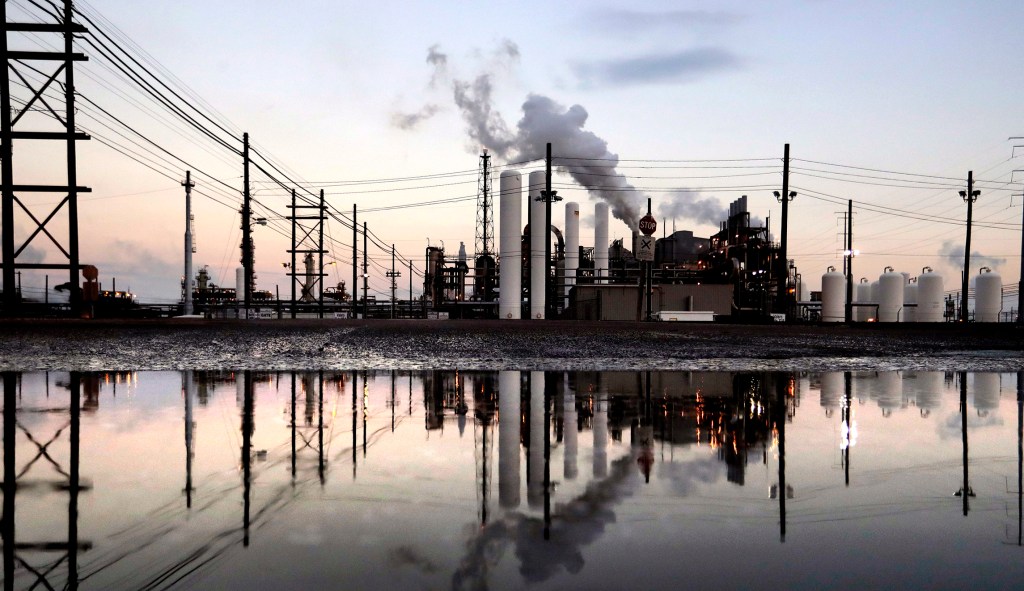
As if that were not enough, Rep. Carlos Curbelo, R-Fla., recently introduced a bill that would establish a $23 per-ton carbon tax on oil refineries, gas processing plants, and coal mine mouths beginning in 2020. E&E News reports that, “Industrial sectors such as cement, aluminum, steel and glass would also pay the fee for emissions stemming from physical or chemical reactions outside of energy production.” While the legislation eliminates the federal gasoline tax, the net impact of such a steep carbon tax would be disastrous for working families. Despite dubious claims that carbon taxes can avert climate change and promote “renewables,” this misguided policy will only succeed in fleecing Americans struggling to keep the lights on.
Real journalism.Trusted by millions.
Unlimited access to in-depth reporting, expert analysis, and the stories that shape our country.
Already a member? Log in