

The price of oil fell at a historic pace on Wednesday, on track to be the largest dip since the COVID-19 pandemic and one of the biggest single-day drops in decades.
On the news of the United States and Iran reaching a temporary ceasefire, Brent crude had fallen by 14.78%, while West Texas Intermediate dropped by 16.78% just before 11 a.m. ET.
Recommended Stories


According to data compiled by the U.S. Energy Information Administration, there are only about four instances in which prices have fallen by more than 14% in a single day, stretching as far back as the late 1980s.
The Washington Examiner took a closer look at how dramatic those past price declines were and what exactly caused the drops.
January 1991
On Jan. 17, 1991, the U.S. and several dozen of its allies launched a coordinated attack, known as Operation Desert Storm, against Iraq over Saddam Hussein’s invasion and annexation of Kuwait.
The escalation of the Gulf War caused a dramatic sell-off of crude oil, sending prices to around $20 per barrel. At the time, Brent dropped by around 30%, and WTI fell by roughly 33%.
Traders previously believed that all signs pointed to oil prices rising in the event of escalation, as a lengthy war in the region could threaten global oil flows. However, in the first hours after the January attack, it became clear to the markets that Iraq was not fighting back and coordinated releases of strategic reserves would only prop up global supplies, putting downward pressure on prices.
March 2020
The start of the COVID-19 pandemic coincided with Saudi Arabia’s price war on oil with Russia, after OPEC failed to reach an agreement on proposed oil production cuts amid plummeting demand.
Tensions peaked on March 8, 2020, when Saudi Arabia announced a shocking discount on oil prices — $6 to $8 per barrel — for customers in Europe, Asia, and the U.S.
This sent shockwaves through the markets, causing Brent and WTI to fall by around 22% and 24% respectively, according to EIA spot price data.
April 2020
While prices steadily dropped for several weeks following the March 8, 2020, dip, oil markets saw an unprecedented crash in late April of the same year.
As COVID-19 rapidly depressed demand for oil and gas, storage facilities and producers faced increased threats of oversupply.
Traders had their last day to trade WTI for May delivery before those contracts expire on April 21, 2020. With some contracts still on hand, some traders became desperate to offload the oil, offering to pay individuals to take them.
This jolted markets, with WTI falling by more than 300% to an unprecedented low of around negative $37.63 per barrel.
Brent managed to stay above the negatives, but still fell by around 47%, according to the EIA.
April 2026
Late Tuesday night, President Donald Trump announced that the U.S. and Iran had come to an agreement on a two-week ceasefire, reversing course on his threat to annihilate the Middle Eastern country.
As part of the agreement, Iran said it will allow safe passage through the Strait of Hormuz, which has been effectively closed since March, cutting off around 20% of global oil supply.
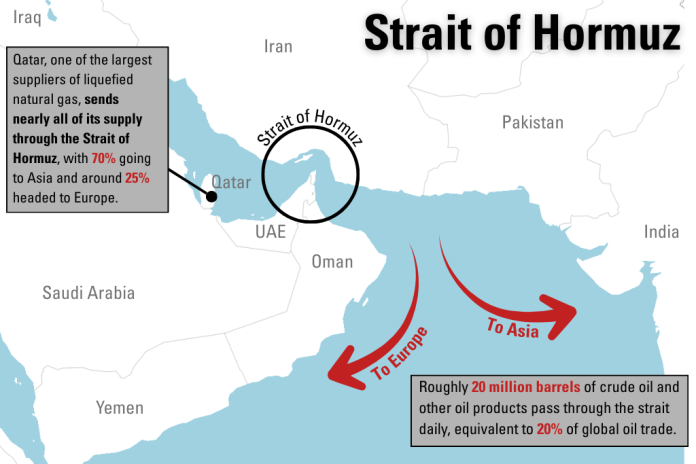
Immediately following the announcement, WTI fell by more than 18% to around $91.61 per barrel.
The losses seen early in the morning reversed slightly by midday, with WTI and Brent trading at around $95.36 and $94.70 per barrel, respectively, a sign that traders are still approaching market changes with caution amid the Middle Eastern conflict.
US OIL PRICES FALL OVER 18% AFTER TRUMP AGREES TO TWO-WEEK CEASEFIRE WITH IRAN
Earlier today, Israel carried out dozens of strikes across Lebanon in what the former’s military has called the largest coordinated strike in the war, according to the Associated Press.
The Wall Street Journal also reported that Saudi Arabia’s East-West pipeline, its primary outlet for crude exports, was struck by Iran on Wednesday. The extent of the damage remains unclear, though any additional disruptions to crude flows in the region could likely send prices soaring again, despite the ceasefire agreement.
