

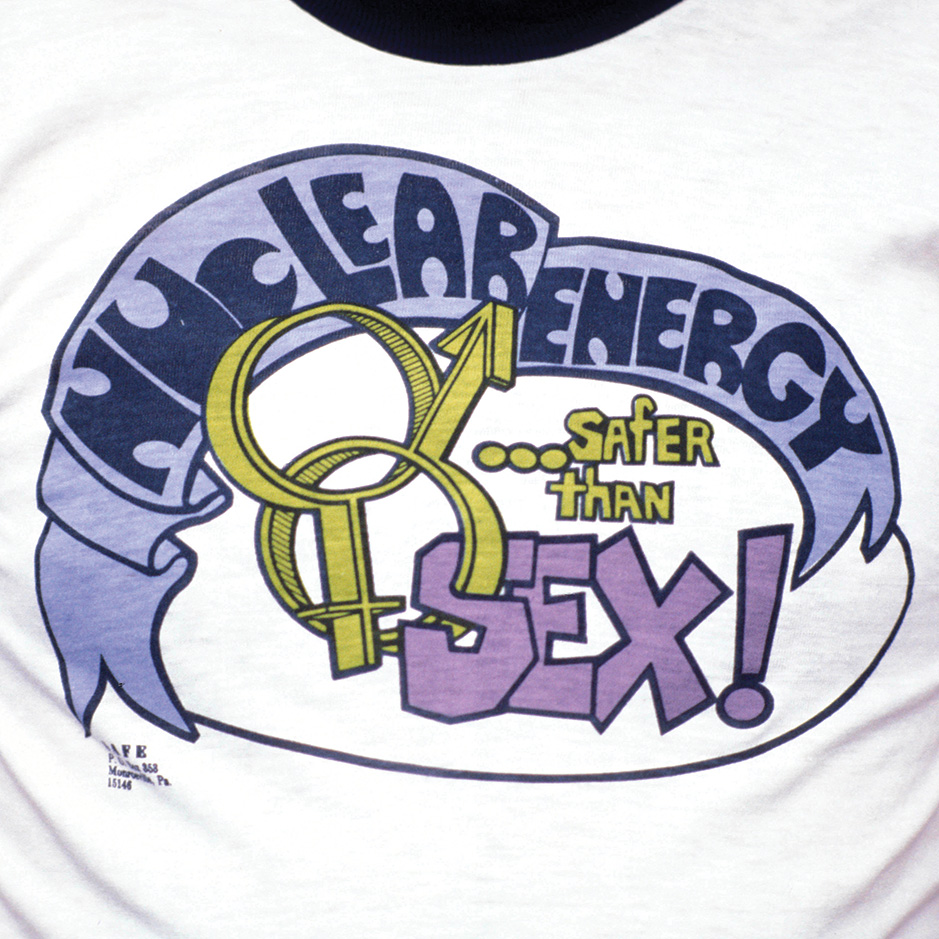
At a meeting of the National Association of Science Writers in New York in 1954, the chairman of the U.S. Atomic Energy Commission laid out his vision for a nuclear-powered future. Famines would be the stuff of history, Lewis Strauss said; people would “travel effortlessly over the seas and under them and through the air with a minimum of danger and at great speeds”; they would “experience a lifespan far longer than ours.” That all went over well enough, and many of his prognostications have since come true (though not, alas, the bit where he forecast “an age of peace”). But the part of the speech that caused a sensation—and has come in for much scorn and mockery over the years—was when Strauss said, “It is not too much to expect that our children will enjoy in their homes electrical energy too cheap to meter.”
His vision was indeed ambitious: Though nuclear power has been a uniquely low-cost, stable, and efficient source of power, it hasn’t come close to being free. Still, since the first commercial facility opened in 1958, nuclear plants have, on average, more than doubled their efficiency. Nuclear provides three times more electricity than wind, solar, geothermal, biomass, and all other nonhydropower renewable sources combined. In the face of public opposition, exhaustive regulation, and very limited new investment, nuclear plants have been making cheap, reliable energy for decades.
Stay informed.Stay ahead.
Join Washington Examiner for unlimited access to the news, analysis, and commentary that matter most.
Already a member? Log in
