

In the months before the fall of Kabul, the White House insisted that the United States would continue its diplomatic work in Afghanistan after most troops departed. “Look, I know there are many who will loudly insist that diplomacy cannot succeed without a robust U.S. military presence to stand as leverage,” President Joe Biden said in April. “We have to change that thinking.” The Taliban disagreed. Countless mistakes led to the catastrophe at Kabul airport, but most important was a failure to recognize a basic truth of international relations.
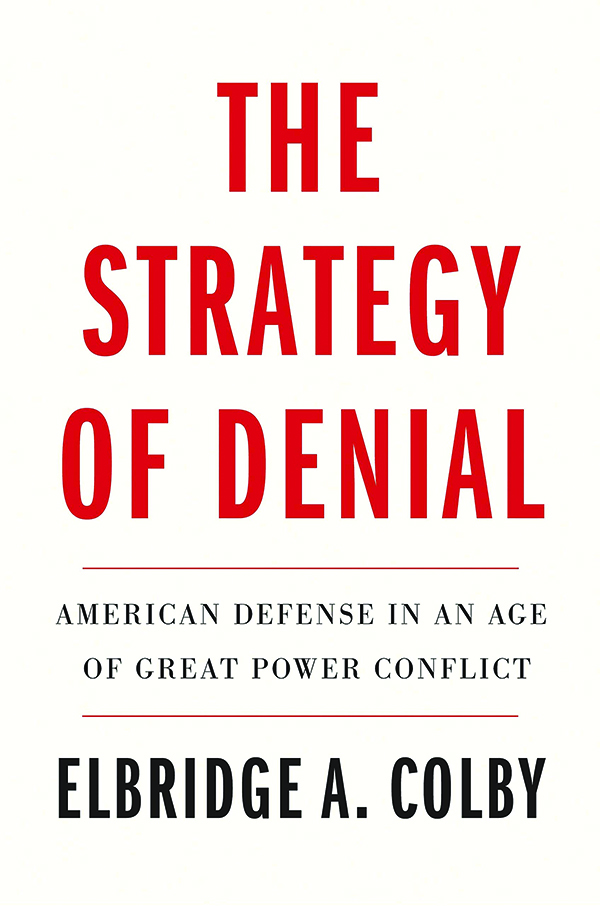
“Physical force, especially the ability to kill, is the ultimate form of coercive leverage. While there are other sources of influence, such as wealth, persuasiveness, and charisma, they are all dominated by the power to kill,” Elbridge A. Colby writes in The Strategy of Denial: American Defense in an Age of Great Power Conflict. When the U.S. and its allies in Afghanistan rushed to strip themselves of their ability to kill or to help Afghan government forces kill, terrorists took advantage. High-minded thoughts about diplomacy meant nothing. As Colby notes, “Hard power always has the capacity to dominate soft power.”
Stay informed.Stay ahead.
Join Washington Examiner for unlimited access to the news, analysis, and commentary that matter most.
Already a member? Log in
