

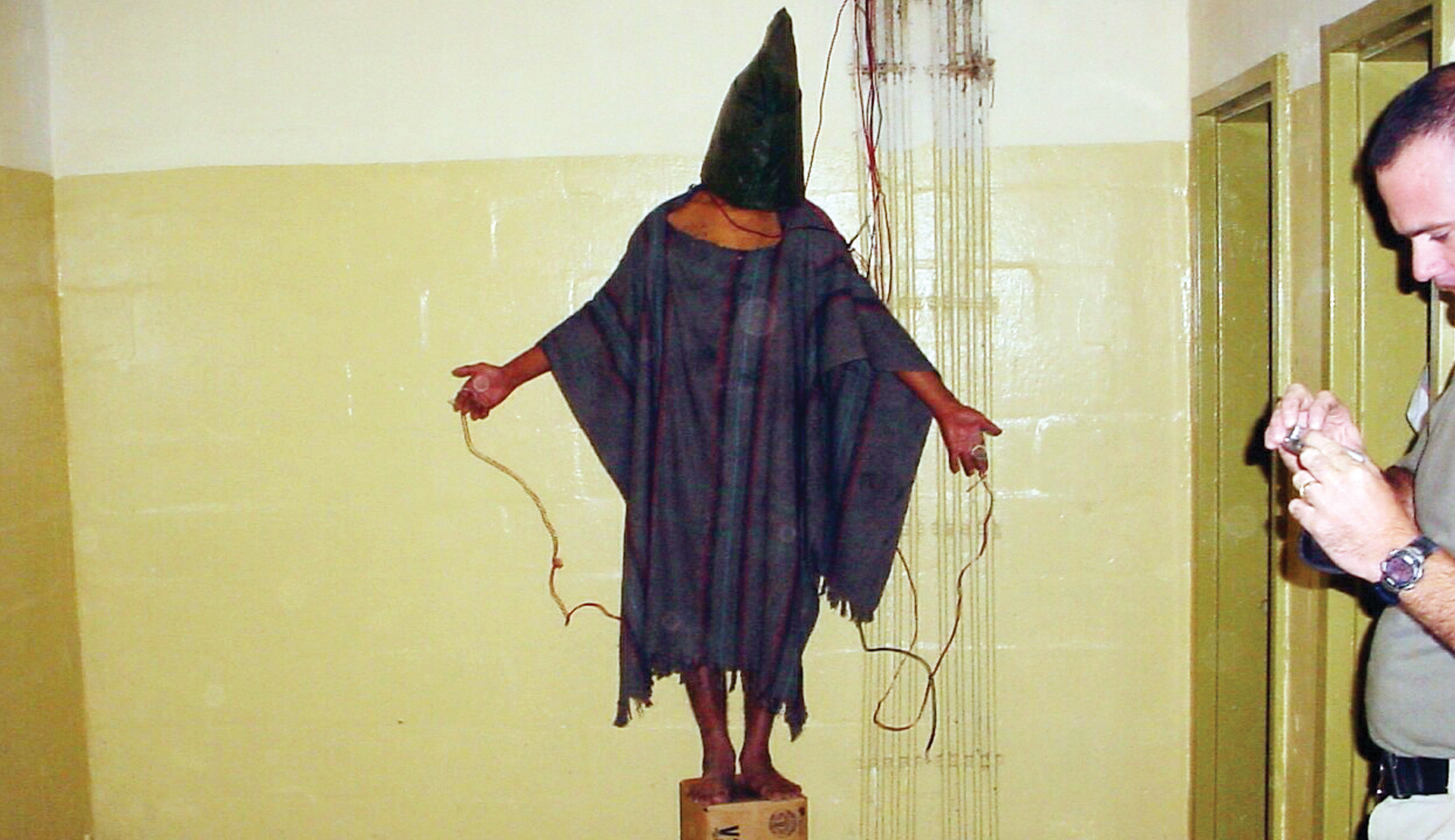
My views on nation-building in general and nation-building in Iraq in particular are, as is said, “complicated.” Perhaps we can begin this way: In many ways, the Iraq War was not a “mistake.” Much good was accomplished, and much human misery was averted. We managed, if nothing else, to end the random genocide of the Kurds and help secure their safety and freedom. We did help establish some semblance of democracy, chaotic as it is, in the whole of Iraq. It’s a place where few of us would want to live — except when compared to Iran or Syria or Saudi Arabia, or the old Iraq of Saddam Hussein and his sons.
Still, especially when compared to all our high hopes, we fell short, far short. As is said, “Mistakes were made.” The thought that we could turn Iraq from despotism and toward a just and liberal democracy that would be a model for freedom and prosperity in the Middle East in large measure failed. We were under the illusion that overthrowing tyranny and establishing a democratic government was going to be easy. We seemed to think that setting up democratic forms, especially voting, was more central than stability, order, or encouraging civil society with all its myriad ways of teaching people how to rule themselves and live together. We had fancy slogans that we thought were true: “Bring all stakeholders to the table.” “Don’t all people want freedom?” “Those who would trade freedom for temporary security deserve neither.” “Don’t all religions seek peace?” Being slow to learn, we later repeated much of these utopian sentiments as we rooted for the coming of a grand “Arab Spring!”
Stay informed.Stay ahead.
Join Washington Examiner for unlimited access to the news, analysis, and commentary that matter most.
Already a member? Log in
