

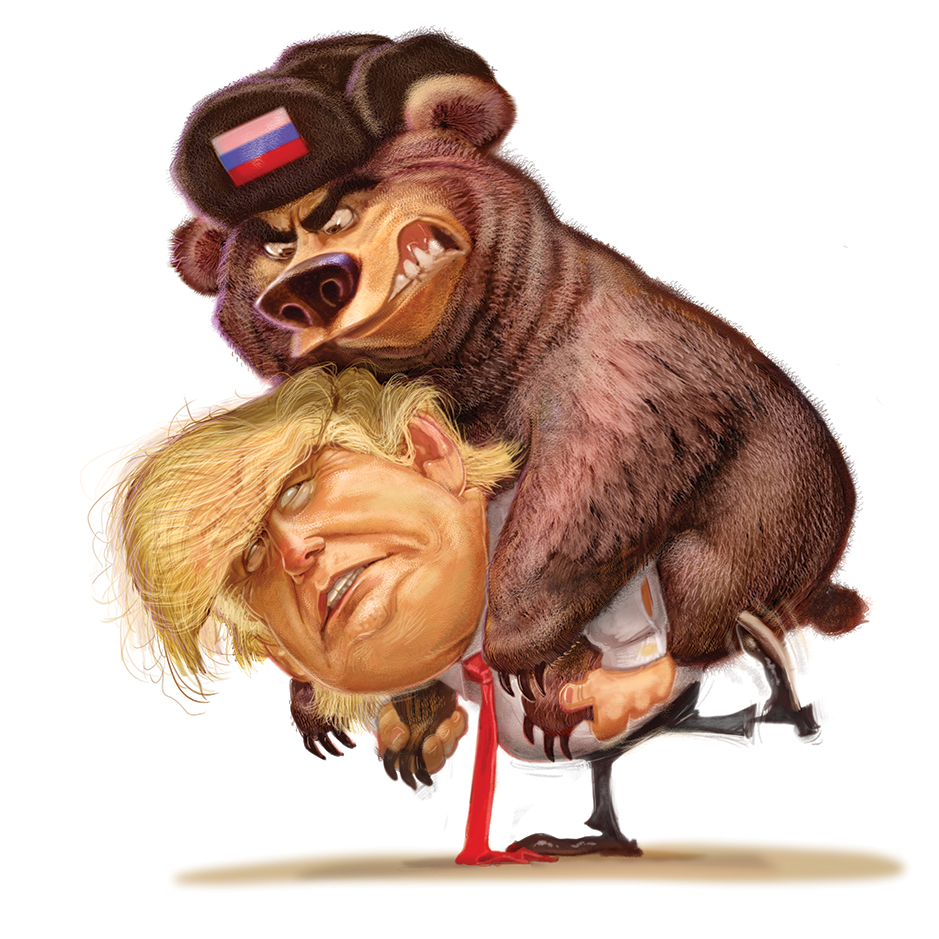
The president-elect’s narrow victory at the end of a volatile campaign quickly led to efforts at planning a meeting of the American and Russian leaders. Relations between the two countries had deteriorated badly, not to say spectacularly, in the last year of the previous administration, amidst mutual recriminations about spying. Russia’s activist ambassador began assiduously working his contacts in the president-elect’s entourage to assess the new team’s attitude and prospects for improved relations. Heedless of experts counseling caution, the impetuous new chief executive plunged ahead with plans to meet his more experienced and wily counterpart, driven by the conviction that he could improve a relationship damaged by his blundering predecessor.
The year was 1961, and John F. Kennedy’s summit meeting with Soviet leader Nikita Khrushchev in Vienna that June is generally considered to have been a disaster. Owing to insufficient diplomatic preparation, there was no set agenda for the meeting, which was billed as an opportunity to get acquainted. Khrushchev concluded that the inexperienced new president was weak and unlikely to respond forcefully to Soviet actions. Within the next year he would trigger two crises that brought the world to the brink of nuclear war. He was emboldened to step up the pressure on Berlin—the wall started going up in August. And the summit almost certainly encouraged Khrushchev to believe that he could deploy nuclear weapons to Cuba surreptitiously and that, confronted by a fait accompli, Kennedy was likely to back down. It was arguably the most dangerous moment in the Cold War. In the words of Secretary of State Dean Rusk, the two nuclear superpowers were “eyeball to eyeball,” with the very real prospect of a devastating nuclear exchange.
Stay informed.Stay ahead.
Join Washington Examiner for unlimited access to the news, analysis, and commentary that matter most.
Already a member? Log in
