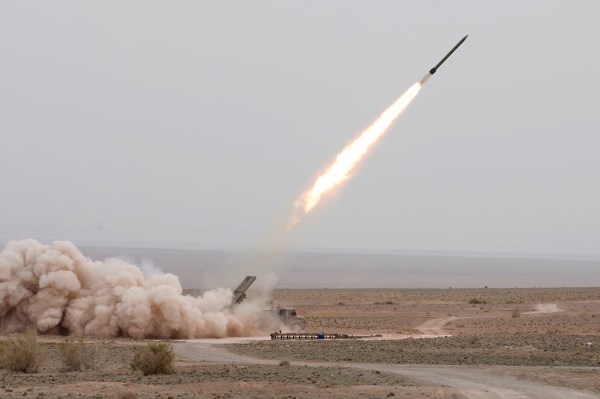
When the news of an explosion at Iran’s Natanz nuclear facility broke in early April, the response from some Democrats was anger. Sen. Chris Murphy tweeted that he was demanding a “security briefing” on the latest events in Iran. He went on to write, “It should go without saying that there is no viable military path to divorcing Iran from a nuclear weapon. Only a diplomatic path. And now, the diplomatic road is more difficult.”
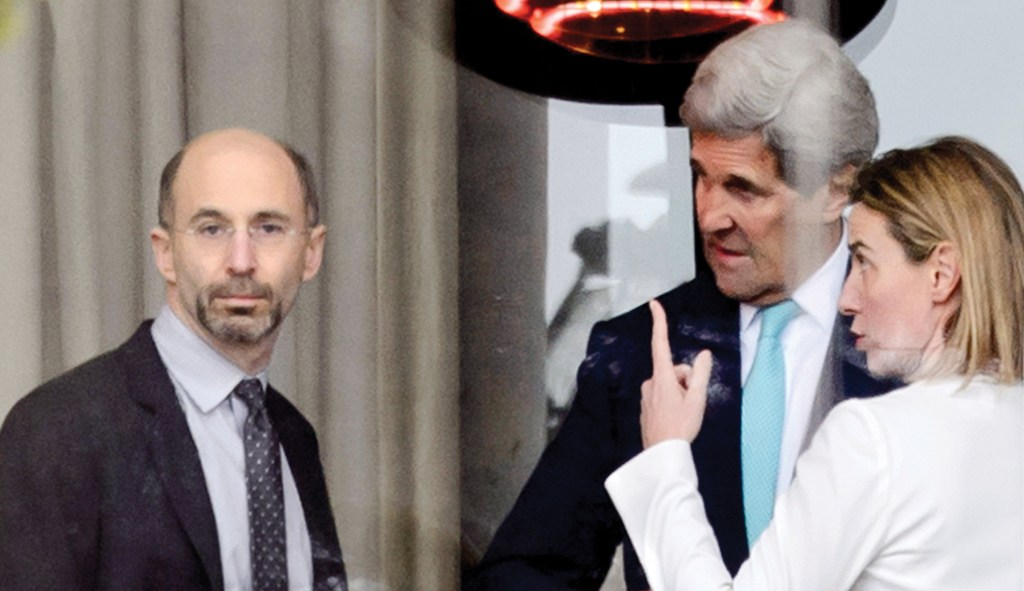
The explosion, which was widely blamed on Israel, occurred soon after the first formal meetings of representatives of the P5+1 nations that had signed on to the 2015 Joint Comprehensive Plan of Action, popularly known as the Iran nuclear deal. Under the leadership of veteran diplomat Robert Malley, the talks proceeded with European envoys shuttling between the Americans and the Iranians. The meetings of those diplomats in Vienna represented the first step toward the Biden administration’s stated goal of reviving the pact. They also signaled Joe Biden’s commitment to the process by indicating that the president was prepared to start lifting sanctions imposed on Iran by former President Donald Trump that were “inconsistent” with the 2015 agreement.