Not so long ago, the fate of democracy in Central America was a prominent and deeply controversial issue in U.S. politics. Throughout the 1980s, Republicans and Democrats clashed bitterly over how to address the civil wars raging in Nicaragua, El Salvador, and Guatemala. In 1983, President Reagan felt compelled to establish a high-profile bipartisan commission on Central America, chaired by Henry Kissinger. The struggle for peace and democratic rule in the region ultimately had a happy ending—at least temporarily. In December 1989, U.S. military forces toppled drug-running Panamanian dictator Manuel Noriega. A few months later, Nicaraguans went to the polls and voted out the autocratic Sandinistas. Two years after that, Salvadoran officials signed historic peace accords with the FMLN guerrillas. And in December 1996, a close ally of the FMLN, the Guatemalan rebel group URNG, signed peace agreements with the Arzú government, thereby ending a 36-year civil war.
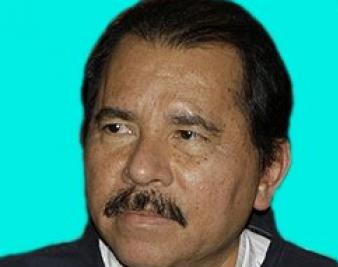
Over the past two decades, Central American democracy has managed to survive. However, each of the region’s four most-populous countries—Guatemala, Honduras, El Salvador, and Nicaragua—is now facing a huge crisis. The main problem in the three Northern Triangle nations is rampant violent crime committed by street gangs and drug-trafficking organizations, including the brutal Mexican cartel known as Los Zetas. In a recent study, former Washington Post reporter Douglas Farah demonstrated that the Guatemalan, Honduran, and Salvadoran governments “have moved beyond being weak, somewhat corrupt, and unresponsive to almost non-functional in much of their national territories.” Nicaragua, by contrast, boasts a relatively low crime rate, despite being the second-poorest country in the Western Hemisphere. (As a 2012 CSIS paper noted, two explanations for the relative lack of crime are Nicaragua’s intelligent policing strategies and the nature of Nicaraguan migration during the 1980s civil war.) Yet Nicaraguan democracy is now being trampled by the same Sandinista radical who once built a Cuban-style police state.