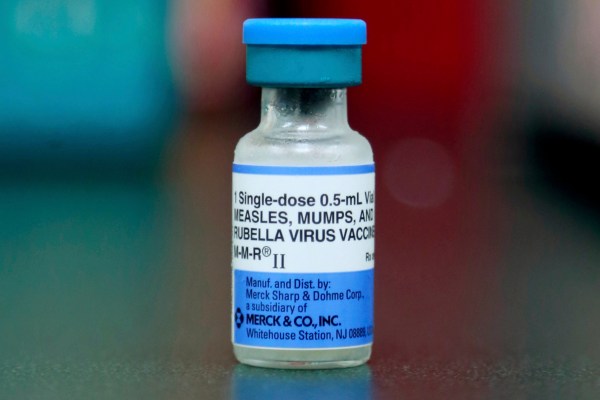
The Centers for Disease Control and Prevention this week revealed that the measles rates so far this year have already exceeded figures from 2025, marking a 35-year high.
The United States logged 2,318 measles cases in the first seven months of this year, up from the total of 2,289 last year, according to the CDC. The announcement makes 2026 the U.S.’s worst year for measles since 1991, with officials crediting the outbreak in part to decreased vaccination rates and saying the numbers could be much higher than official estimates reveal.
Recommended Stories
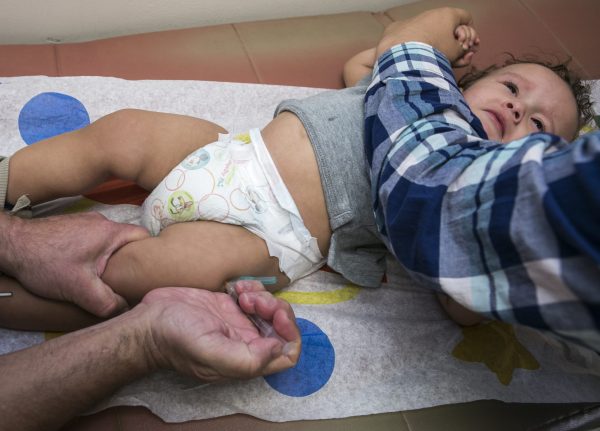
The development comes as the Pan American Health Organization meets in November to do an international review of the U.S.’s measles elimination status. Washington has held the status since 2000, but could be at risk of losing it due to the recent outbreaks, leading the Trump administration to ask the organization to move its review from April to the fall.
“We remain committed to actively supporting current outbreak responses through laboratory testing, technical assistance, and close coordination with state and local partners,” Andrew Nixon, a spokesman for the Department of Health and Human Services, previously told the Washington Examiner.
The top five states for measles are South Carolina, with 670 cases, mostly in Spartanburg County; Utah, with 518; Texas, with 182; Virginia, with 176; and Florida, with 141, according to the CDC. The 2026 numbers mark a geographical shift from 2025, when Texas was the center of the measles outbreak, with 803 measles cases. South Carolina came in second that year, with 333 cases.
Among the 48 states with available data, Idaho has the lowest vaccination rate for measles at 78.5%. The Gem State saw three cases this year.
New outbreaks have popped up elsewhere, with the Pennsylvania Health Department reporting 132 cases, including 27 diagnosed in the past week alone. The CDC defines an outbreak as three or more linked cases. Virginia’s outbreak appears to be slowing, with no new cases since July 4.
CDC ADDS FOUR MORE STATES TO CYCLOSPORIASIS OUTBREAK INVESTIGATION
In Utah, where public health officials have fought measles for more than a year, experts relying on mathematical modeling and genetic analyses indicate that a large outbreak on the Utah-Arizona border could be around three to four times bigger than what’s currently known, state epidemiologist Dr. Leisha Nolen told PBS News. Symptoms of measles include fever, cough, runny nose, and temporary white spots on the skin called Koplik spots.
Numbers could also be underestimated in South Carolina, according to Dr. Brannon Traxler, the acting director of the state department of health, who said the undercount is “impossible to know and may vary during the course of an outbreak.”