

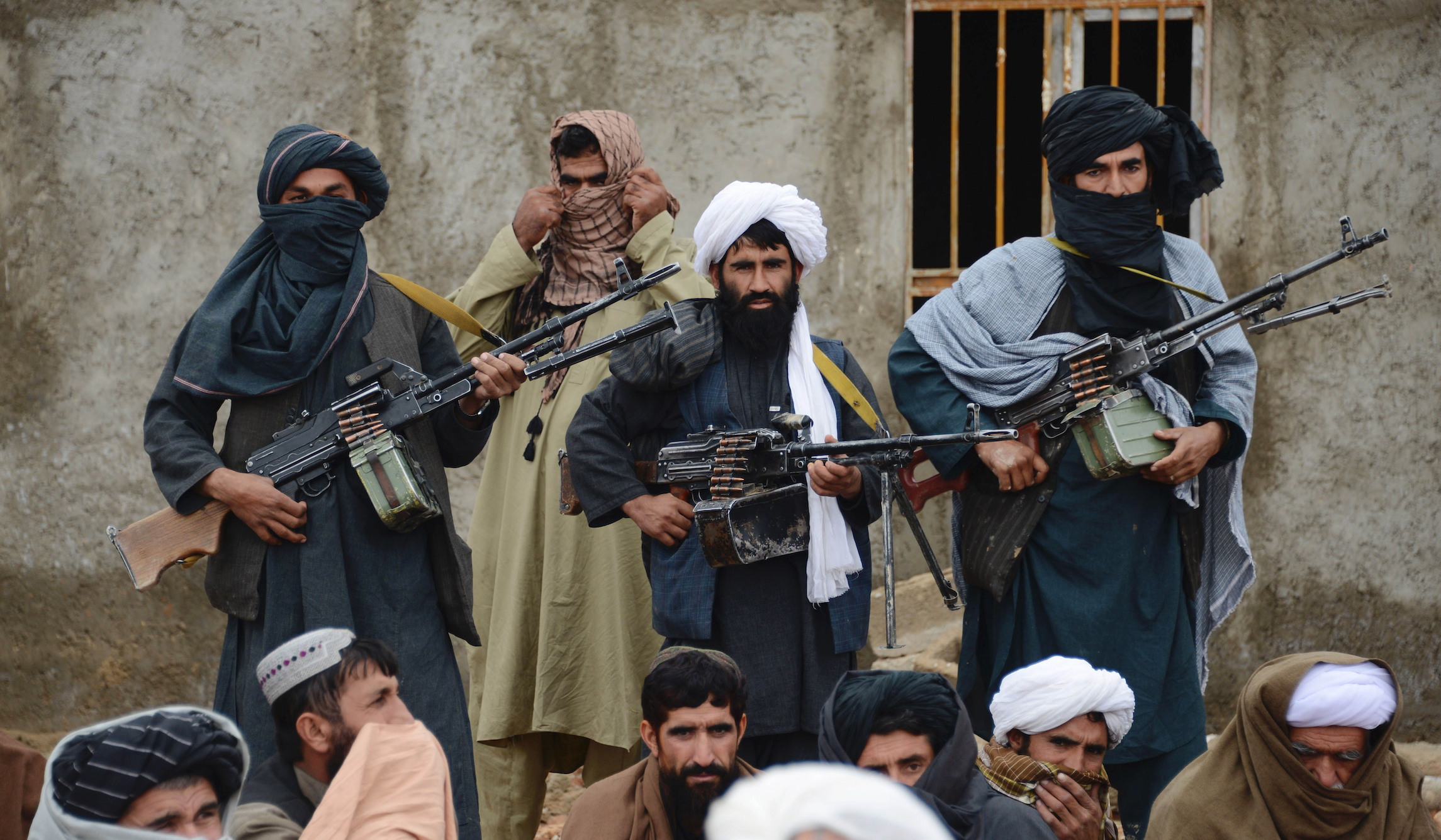
The United States struck the Taliban as it attacked Afghan government forces in Helmand, ratcheting up fighting despite the recent pact to end fighting after more than 18 years.
“The US conducted an airstrike on March 4 against Taliban fighters in Nahr-e Saraj, Helmand, who were actively attacking and #ANSF checkpoint,” tweeted U.S. Forces-Afghanistan spokesman Col. Sonny Legget early Wednesday, referring to the Afghan National Security Forces.
Recommended Stories


“This was our 1st strike against the Taliban in 11 days,” he added. Leggett described the strike as “defensive” and designed to disrupt an attack.
The U.S. move indicated the Taliban’s 43 attacks on Tuesday alone will not be tolerated.
“Taliban leadership promised the int’l community they would reduce violence and not increase attacks,” Leggett wrote in a follow-up tweet. “We call on the Taliban to stop needless attacks and uphold their commitments. As we have demonstrated, we will defend our partners when required.”
In another tweet, the U.S. military spokesperson said the Taliban appeared to be “squandering” this opportunity and “ignoring the will of the people” for peace.
On Monday, Defense Secretary Mark Esper predicted in a press briefing at the Pentagon that the recent agreement with the Taliban will lead to reduced violence, but he foresaw a “bumpy road” ahead. While the agreement calls for a troop reduction from an estimated 13,000 to 8,600 within 135 days, Esper said the agreement was “conditions based.”
The U.S. strike comes one day after President Trump said he had a “good conversation” with a Taliban leader.
“They’re looking to get this ended, and we’re looking to get it ended. I think we all have a very common interest,” Trump told members of the press Tuesday. “We had a good, long conversation today. And, you know, they want to cease the violence. They’d like to cease violence also.”
The dozens of attacks by the Taliban may be a pressure tactic ahead of next Tuesday’s negotiations with the Afghan government, but the U.S. strike indicates it will not abandon its Afghan military allies.
The peace deal looks increasingly shaky since Afghan President Ashraf Ghani will not agree to a Taliban prisoner release negotiated in the deal signed between the U.S. and the Taliban in Doha, Qatar, on Saturday.
Trump acknowledged the Afghan government “may be reluctant,” and that across the U.S. government, he has been “amazed” by the positive response that has come with the negotiated 14-month troop withdrawal from Afghanistan after nearly 20 years of war.
