

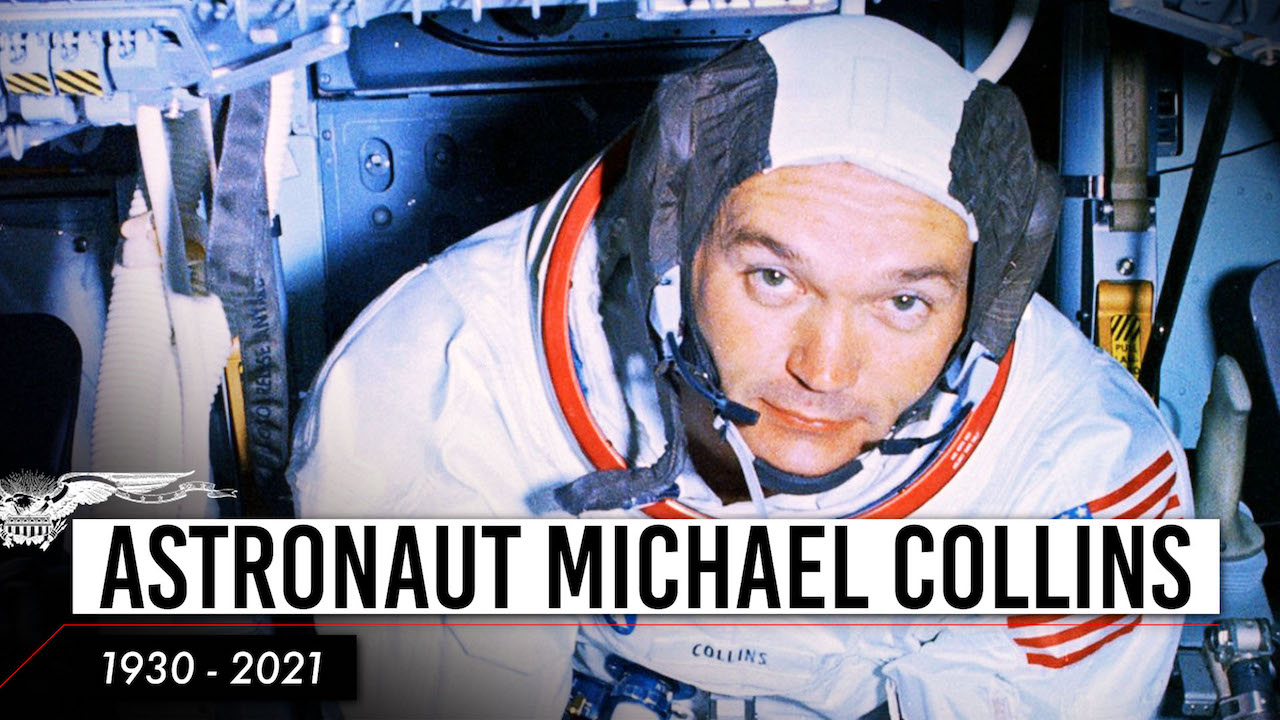
The Eagle had landed. On the surface of the moon, Neil Armstrong and Buzz Aldrin were safing the lunar module and preparing for their ensuing historic exploration of the surface. In orbit 69 miles above, the command-service module Columbia, with Michael Collins aboard, whipped behind the lunar horizon at 3,600 miles per hour. For the next 48 minutes, Collins was alone, cut off from his colleagues on the other side of the moon and back on Earth.
“Not since Adam has any human known such solitude,” declared NASA’s Mission Control, but Collins experienced it “not as fear or loneliness — but as awareness, anticipation, satisfaction, confidence, almost exultation. I like the feeling. Outside my window I can see stars, and that is all.” In his 1974 biography, Carrying The Fire, Collins related that he was more concerned about the prospect of Eagle failing to ascend, stranding his partners on the lunar surface for eternity. “My secret terror … has been leaving them on the Moon and returning to Earth alone … I will be a marked man for life, and I know it.”
Stay informed.Stay ahead.
Join Washington Examiner for unlimited access to the news, analysis, and commentary that matter most.
Already a member? Log in
