NASA Administrator Jared Isaacman recently proposed putting artificial intelligence data centers in space, as communities raise concerns about the energy-hungry facilities being built across the country.
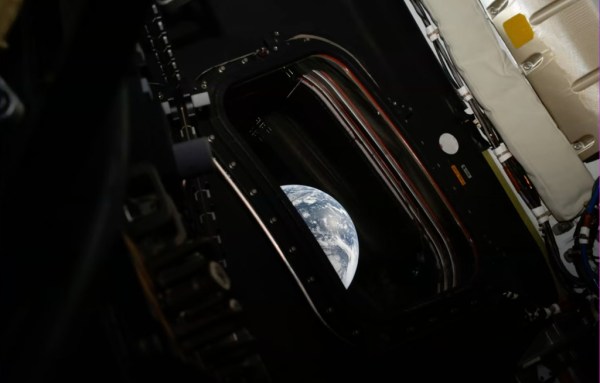
“Let’s take our data centers, put them in Earth orbit, take advantage of that free fusion reactor that’s out there for us and use that to ensure we do win the … space race for sure, but the AI race, too,” Isaacman said in an interview with Nexstar DC’s Vinay Simot.
Recommended Stories
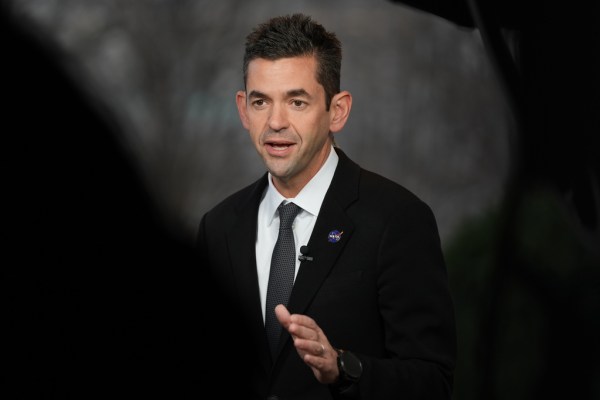
Isaacman said moving data centers into orbit could have “immense benefits,” allowing companies to harness solar energy, which he described as his “free fusion reactor,” to power the facilities.
The proposal comes as data centers have become a source of controversy in communities across the country. Residents and local officials have raised concerns about the facilities’ electricity demands, which can strain power grids and increase utility costs, as well as their water consumption, noise, and other disruptions.
Lawmakers from both parties have sought to slow or pause data center construction in some states, while President Donald Trump has promoted rapid expansion of the industry as part of his pro-innovation, low-regulation approach to artificial intelligence and technology.
Isaacman’s proposal may sound like science fiction, but the concept of space-based data centers has gained traction in the technology industry.
In April, the Government Accountability Office highlighted space-based data centers as a potential way to “reduce the demand for resources from these facilities on Earth.” But the technology also presents significant engineering challenges.
Unlike facilities on Earth, space-based data centers would have difficulty dissipating the enormous amounts of heat generated by computing equipment. A large increase in the number of satellites in orbit could also make space traffic more difficult to manage and increase the risk of collisions. Manufacturing and launching the satellites would be expensive, while providing enough electricity, cooling, and communications capacity without adding excessive size or launch weight would pose additional challenges.
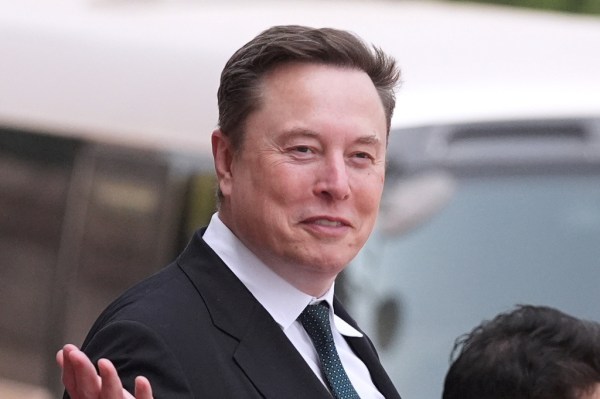
Elon Musk has also floated the idea of moving computing infrastructure into space. In February, Musk said he envisioned putting as many as one million satellites into orbit to create vast, solar-powered data centers, allowing the rapid expansion of artificial intelligence and chatbot use without placing additional strain on power grids.
TRUMP SAYS IT’S ‘OK WITH ME’ IF REPUBLICANS DISAGREE WITH HIM ON DATA CENTERS
Google is pursuing a similar concept through its Suncatcher project, which envisions an 81-satellite constellation designed to operate data centers in orbit. The company is developing the project in partnership with satellite-imagery company Planet, with two prototype satellites expected to launch in early 2027.
Space-based computing startup Starcloud has pursued an even more ambitious vision. In February 2026, the company submitted a proposal to the Federal Communications Commission for a constellation of up to 88,000 satellites designed to operate orbital data centers. The company also announced in March that it intends to mine bitcoin in space, with plans to fly bitcoin-mining hardware aboard its second satellite, Starcloud-2.