


Literature invented the metaverse decades before Mark Zuckerberg renamed his digital empire after it and started spending billions to try to make the virtual world a reality. In the 1992 sci-fi epic Snow Crash, the first use of the term “metaverse” sits nested in a thicket of author Neal Stephenson’s usual provocations about politics, religion, and technology. It was perhaps inevitable it would have appeared in fiction: Like invisibility or time travel or vampirism, the idea of a totalizing three-dimensional virtual world provides an irresistible tool with which to explore the human condition. Untethered from the material world and its messy constraints, what would you do? Who would you be?
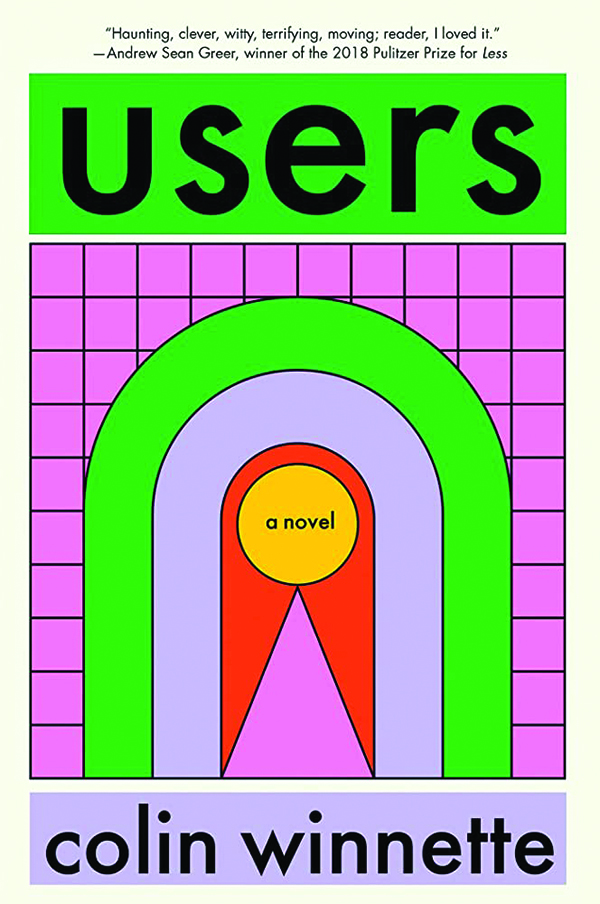
In the years since Stephenson crystalized that conflict, building on the groundwork laid by William Gibson’s Neuromancer nearly a decade earlier, a slew of high-profile novels has used the concept to burrow ever-deeper into authors’ intellectual and emotional preoccupations. Ernest Cline’s Ready Player One proposed, unintentionally, a dystopia where all cultural life is generated and dominated by nostalgia-obsessed fanboys. The metaverse featured in Gibson’s recent novels is an espionage-filled venue where stylish operators labor to set right our unsatisfying real-life one. Jennifer Egan’s The Candy House, from last year, warns of the danger posed by the networking of pure consciousness, with its inevitable and humanity-destroying temptation to clairvoyance.
Stay informed.Stay ahead.
Join Washington Examiner for unlimited access to the news, analysis, and commentary that matter most.
Already a member? Log in
