

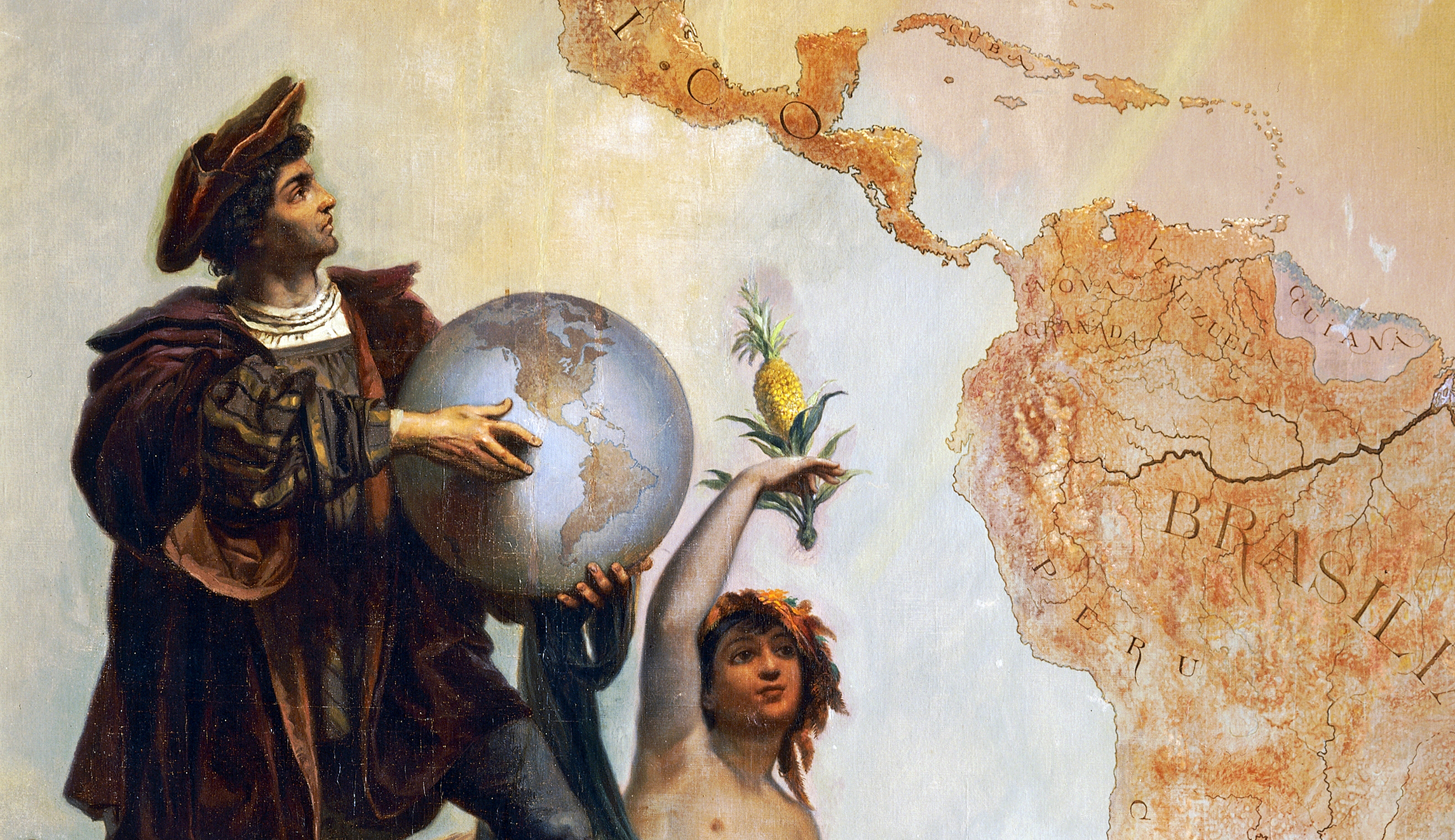
Readers of A Beautiful Ending: The Apocalyptic Imagination and the Making of the Modern World, John Jeffries Martin’s arresting and wide-ranging new study of apocalypticism in the early modern period, will learn all kinds of new things about the beginning of the end of the world as we know it.
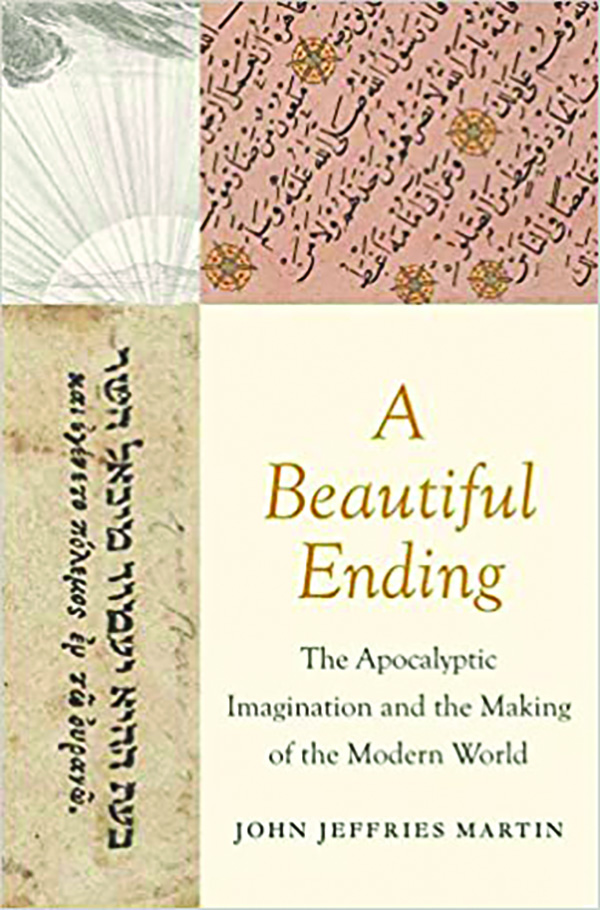
Science fiction, for example, that most progressive of literary forms, is apocalyptic. At the end of H.G. Wells’s The Time Machine, the nameless hero uses the titular contraption to transport himself to the end of the world. He doesn’t use the term, but the nightmarish scene he describes the hero confronting is the apocalypse. Wells’s pioneering 1895 novel would seem an odd candidate for apocalyptic literature. The Time Machine is an emphatically forward-looking book. Yet Martin, a history professor at Duke University, has a simple explanation for why even Wells, who invented a literary genre whose very name is a byword for modernity, couldn’t escape a way of thinking that is usually thought of as the opposite of modern.
Stay informed.Stay ahead.
Join Washington Examiner for unlimited access to the news, analysis, and commentary that matter most.
Already a member? Log in
