

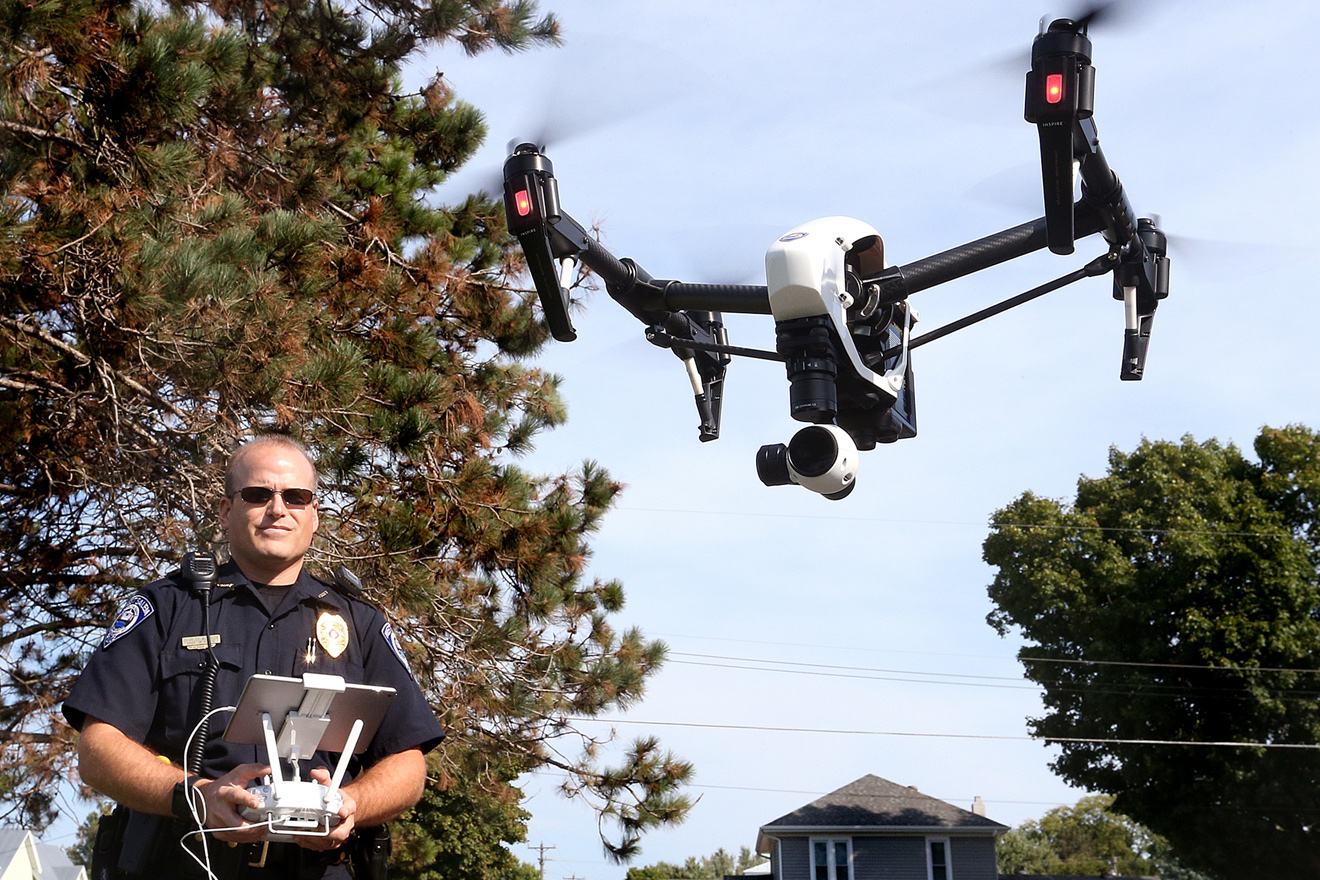
The Fourth Amendment is in a sorry state. The constitutional provision intended to protect us and our property from unreasonable searches and seizures has been weakened over decades—a fact that ought to be of acute concern at a time when surveillance technology is increasingly intrusive and secretive. A modernization of Fourth Amendment doctrines is long overdue.
In his new book, The Fourth Amendment in an Age of Surveillance, David Gray, a professor at the University of Maryland’s Francis King Carey School of Law, attempts to outline what such a modernization might look like. To establish why reform is necessary, he offers a historical account. Gray traces the concepts embodied in the amendment back to mid-18th-century concerns in both England and the American colonies about overly broad permissions for executive agents. In England, the focus of the controversy was general warrants, which were vague in purpose and almost unlimited in scope.
Stay informed.Stay ahead.
Join Washington Examiner for unlimited access to the news, analysis, and commentary that matter most.
Already a member? Log in
