

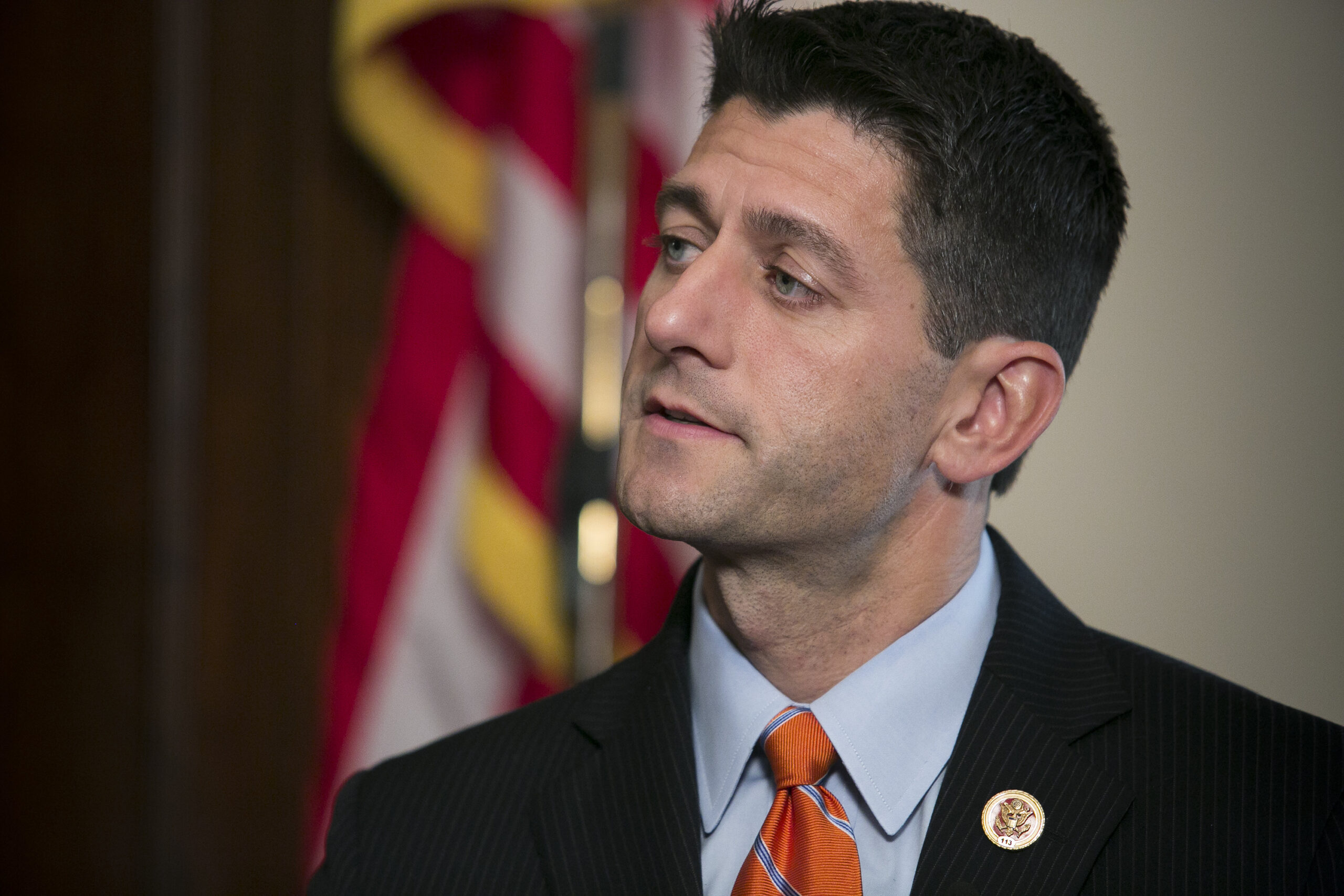
House Republicans will work on corporate tax reform next year, Paul Ryan said Tuesday, creating a possible area of agreement with an Obama administration resistant to other GOP tax plans.
Ryan, the Wisconsin Republican set to become chairman of the powerful tax-writing Ways and Means Committee in January, said at an event with business executives hosted by the Wall Street Journal that “if we can get halfway toward comprehensive tax reform … I think that’s great.”
Recommended Stories


Obama administration officials have insisted that they are hopeful about working with Republicans to overhaul the corporate tax code by broadening the tax base by eliminating tax credits and deductions and lowering rates. The U.S. statutory corporate tax rate is the highest among developed nations, although many companies pay lower effective rates.
Ryan’s comments appeared to suggest some possibility of working with the administration on business taxation. He wants to lower the statutory tax rate from its current 35 percent to 25 percent, below the Obama administration’s target of 28 percent.
Some Republicans are skeptical of negotiating with the administration on corporate taxes alone. Republicans seek broader reform that would lower individual tax rates as well, an area of sharper disagreement. Moving on the taxation of businesses alone would reduce the momentum for lowering individual rates and also raise questions about the taxation of businesses that file as individuals.
Ryan made it clear Tuesday that there is little agreement between the White House and Republicans on tax matters. He faulted the administration for scuttling a congressional deal on extending temporary business tax breaks last week. Obama “blew it up,” Ryan said of the deal on so-called “extenders.”
Nevertheless, he maintains that tax reform has to come sooner or later, because the U.S. has fallen behind peer countries in updating its tax code.
Broader reform can come now or with a new president in 2017, Ryan said. “Sooner would be better … but we’ll see,” he added.
Part of his push to lay out the GOP approach on taxes will be to implement some aspects of dynamic scoring in Congress’ official budget estimates, Ryan confirmed. Dynamic scoring would incorporate the added economic growth from tax cuts into estimates of tax revenues, making rate reductions less costly to the Treasury on paper.
With dynamic scoring in place, Ryan said, “hopefully … we can pass tax reform legislation, put it on the president’s desk.”
