

Use of special repayment plans for federal student loans is soaring, and rose 56 percent over the last year, the Department of Education reported Thursday.
Almost 4 million student borrowers were enrolled in plans offered by the federal government that cap monthly payments as a share of income in the second quarter of this year, the Education Department said.
Recommended Stories



These plans are favored by the Obama administration and many experts because they could dramatically cut down on problems borrowers have repaying their student loans. Under the different kinds of plans, borrowers can limit their monthly payments to 15 percent or 10 percent of monthly income, and have the remaining debt owed on the loan forgiven after 25 or 20 years.
The downside to these plans, however, is that they could prove highly costly to taxpayers if they grow in popularity.
“We’ve made it a priority to give Americans better options to manage their student loans and make sure they know about those options,” Secretary of Education Arne Duncan said in a statement on the data release. “There’s more work to do, we won’t stop fighting to help people who are struggling to pay back their student loan debt, but the fact that more and more borrowers are taking advantage of the opportunity to cap their monthly payments is a good sign.”
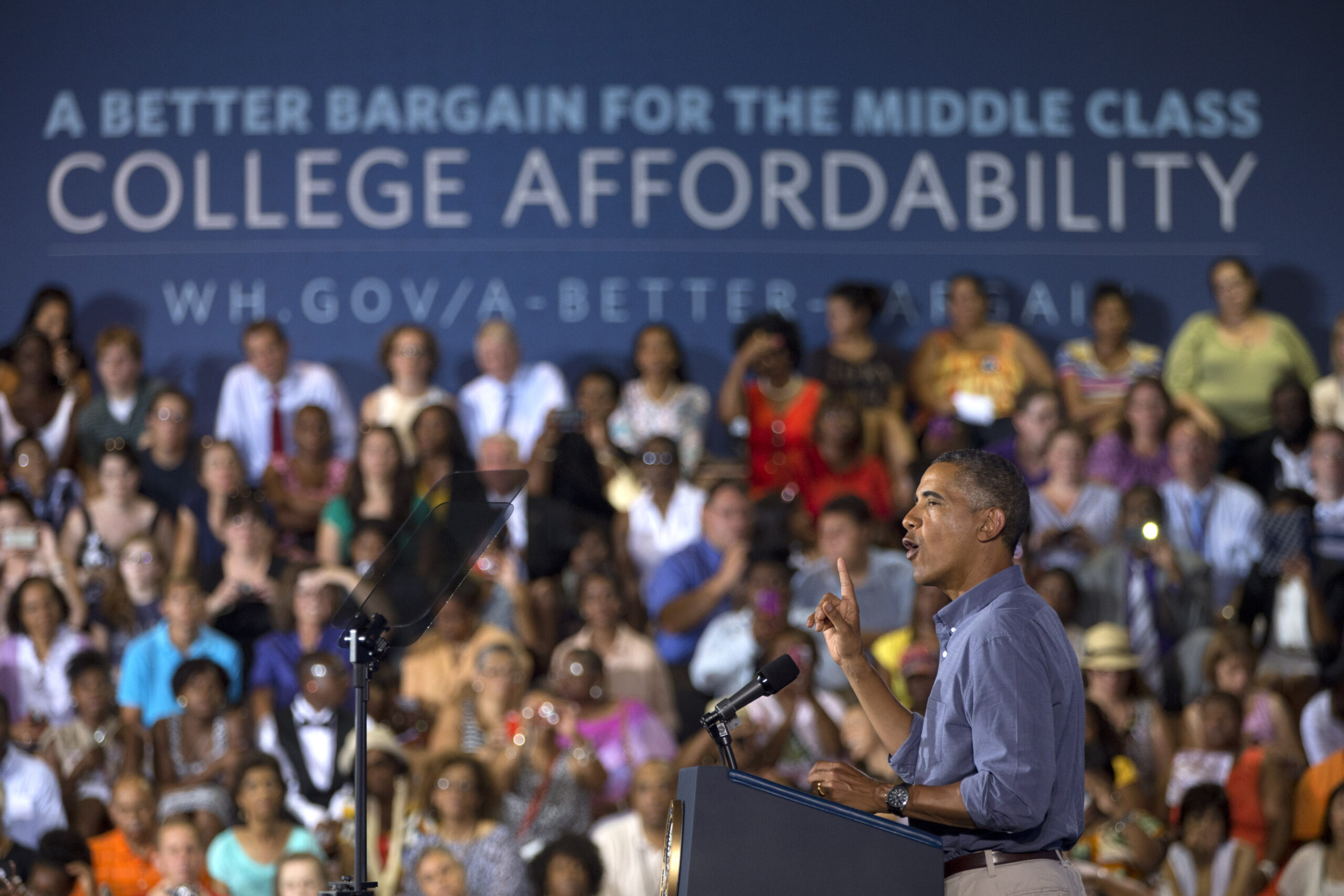
Thursday’s numbers indicate success for President Obama in his goal of expanding the use of income-driven repayment plans. The Obama administration has both sweetened the terms of the most favorable plan, and sought to make it available to more borrowers.
Income-driven repayment plans are popular on both sides of the aisle. Democratic presidential frontrunner Hillary Clinton has proposed streamlining the federal government’s various income-driven repayment plans and making it easier for students to sign up. Sen. Marco Rubio, R-Fla., who is also running for president, has favored making income-driven repayment plans the default.
While such plans have the potential to dramatically reduce student loan delinquencies or eliminate them outright, they also could come at a high cost to taxpayers, depending on the details.
The rapidly rising use of income-driven repayment plans led the administration to mark down the value of the government’s student loan portfolio by $22 billion in its budget request earlier this year, which reflects a reduction in the net present value of payments expected over the lifetime of the loans. Although small relative to the government’s $1.2 trillion student loan portfolio, it was the largest credit writedown in the government’s history.
The Congressional Budget Office earlier this year raised its estimate for federal spending on student loans over the next 10 years by $39 billion, mostly thanks to greater participation in the income-driven repayment plans.
Although many experts favor income-driven repayment plans as a way to ease burdens on student borrowers, they are also concerned that the current programs incentivize graduate students, among others, to take on excess debt knowing that it would be forgiven down the road under the terms of the plan.
Meanwhile, the Department of Education also reported that student debt repayment problems are abating.
The share of of federal Direct Loan borrowers who are more than 31 days late in their repayments fell from 23 percent last year to 21 percent this June. Delinquencies on other kinds of federal student debt also fell.
Falling delinquencies are a silver lining amid a larger repayment problem currently facing the country. Over 11 percent of all student debt is currently 90 days past due, according to the Federal Reserve Bank of New York, a number that rose in the latest quarter.
