

The House this week is expected to approve a bill that would allow states to opt out of emission rules for power plants that are at the center of President Obama’s climate change agenda.
The bill, the Ratepayer Protection Act, was passed by the Energy and Commerce Committee in April and will move to the floor Wednesday to be passed ahead of the July 4 holiday recess.
Recommended Stories


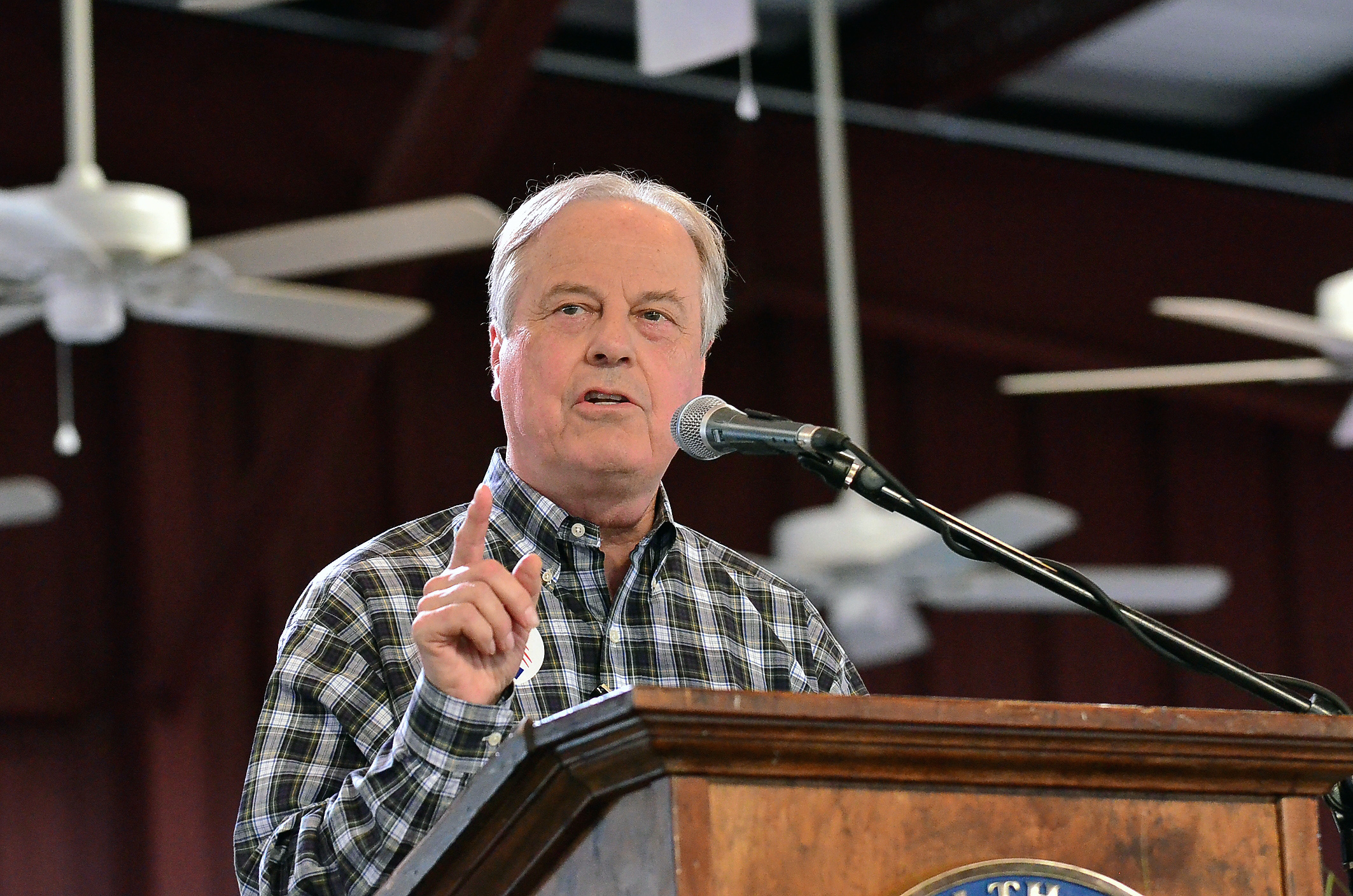
“I’m hopeful for a strong bipartisan vote on the Ratepayer Protection Act to protect hard-working Americans across the country from higher electricity prices and threats to electric reliability,” said the author of the bill, Ed Whitfield, R-Ky.
The GOP is strongly opposed to the power plant regulations, seeing it as regulatory overreach by the Environmental Protection Agency that would raise the cost of energy for struggling consumers with very little to show in the way of environmental improvements.
The House bill would allow states to opt out of compliance with the EPA’s greenhouse gas rules for existing power plants, if they can demonstrate that compliance with the rules would raise electricity prices or threaten the reliability of the electric grid.
“EPA’s unprecedented proposal threatens serious economic harm to the American public and this common-sense legislation will protect ratepayers, reflecting our commitment to jobs growth and affordable energy,” Whitfield said.
The bill also would allow states to delay compliance with the EPA rules until all court review has concluded. The rules are expected to be heavily litigated once they are made final in August.
A companion bill has been introduced in the Senate with strong support from Republicans and some Democrats.
The rules, known as the Clean Power Plan, are undergoing pre-publication review by the White House Office of Management and Budget, which is the final stage before becoming law.
The Clean Power Plan requires that each state reduce a specific amount of greenhouse gases beginning in 2020, with a nationwide goal of a 30 percent reduction in emissions by 2030.
Many scientists say the emissions the rules target are the root cause of manmade global warming, resulting in more severe weather, droughts, heat waves and floods.
The Clean Power Plan isn’t the way EPA has regulated emissions from power plants in the past. Instead of requiring individual plants to comply, it seeks to regulate an entire state’s emissions. All 50 states must submit compliance plans to the agency beginning next summer.
Many states argue that the 2020 interim target for beginning to comply with the plan is nearly impossible to achieve. It would require increased investments in infrastructure and power plant development that could not be completed in the short timeline.
The EPA has said it is looking to extend the interim compliance window in the final rule.
