

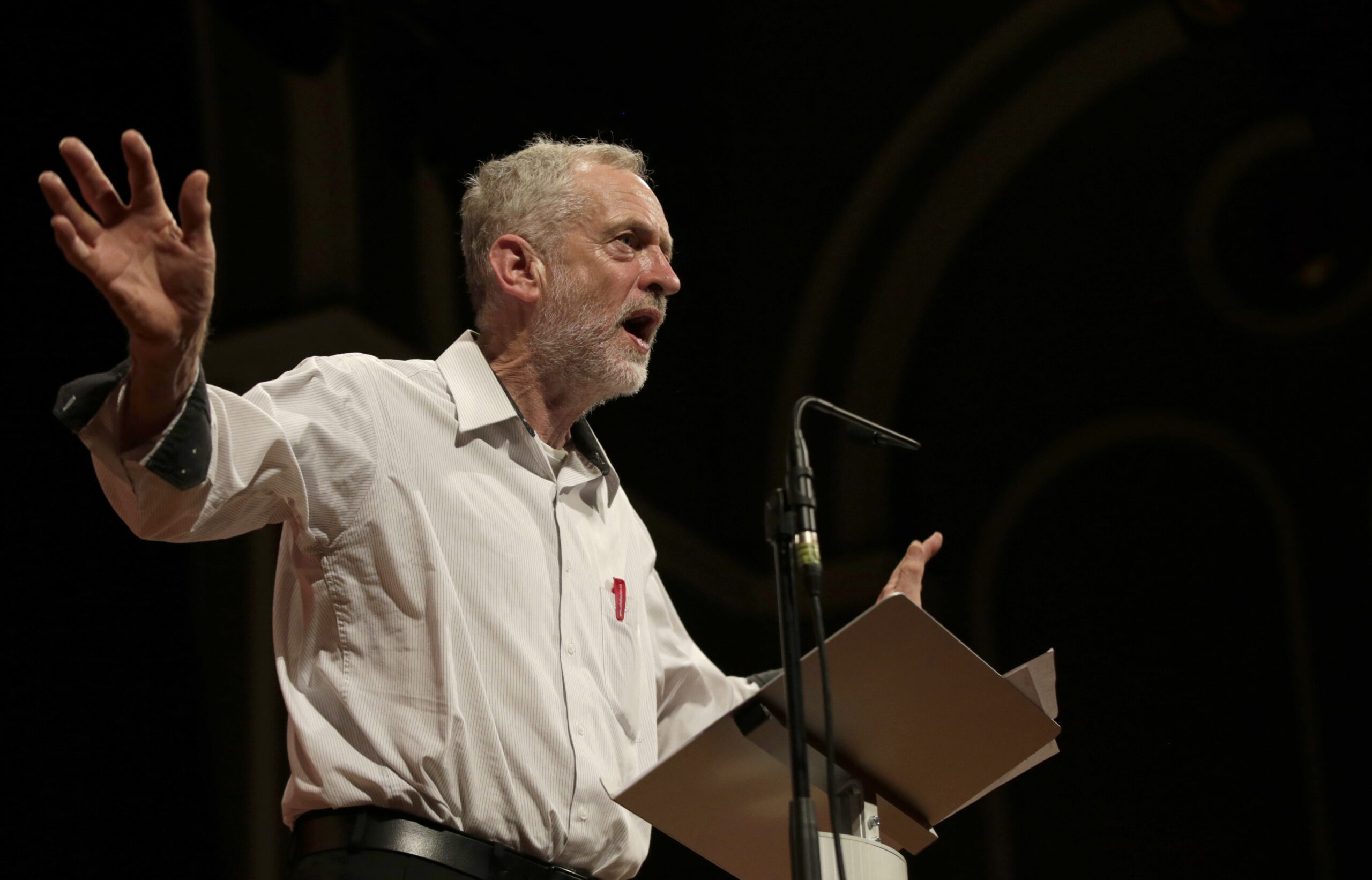
Jeremy Corbyn, an open “democratic socialist,” is the odds-on favorite to take over the United Kingdom’s Labor Party, one of Britain’s two major parties and the center-left home to former Prime Minister Tony Blair.
Corbyn’s ascension to leader of the party would likely make him the party’s candidate for prime minister in the next British general election. He is well to the political left of the average Labor politician, and his populist rise is similar to that of Sen. Bernie Sanders, I-Vt., for Democrats and Donald Trump for Republicans.
Recommended Stories


Corbyn’s hard-left positions can be seen in some recent reporting about the 66-year-old:
1. According to the Guardian, Corbyn will “apologize for the Iraq war on behalf of Labor if he becomes leader.”
2. Corbyn supports a united Ireland, meaning the U.K. could cede Northern Ireland to the Republic of Ireland, according to the BBC.
3. Corbyn is a member of the Palestine Solidarity Campaign, according to the organization. The PSC considers Israel’s actions in Gaza similar to South African apartheid.
4. Corbyn is open to the U.K. potentially leaving the European Union, for labor and environmental reasons.
5. Corbyn abstains from alcohol, is a vegetarian, and does not drive a car, opting for a bicycle.
In a surprise, Labor lost badly to Prime Minister David Cameron’s Conservatives in May, in an election that was forecasted to be essentially even. Britain’s politics have a bit of ancient Roman theatrical flare, something well known to longtime viewers of C-SPAN, where parliamentary debates are a cult hit, or late night television, where American hosts are often bewildered and amused by the level of vitriol in the political discourse.
True to form, previous Labor leader Ed Miliband fell on his sword, resigned immediately following the election, and was humiliated in the British press. Miliband himself was thought to have a ran a firmly left, anti-business campaign.
The favored view was that the party would respond by tacking right and return to the era of “New Labor” of the Blair years. There were differing narratives about why Labor lost, however, and the opposite of the conventional wisdom appears to have taken place.
It is thought by some that Corbyn could better appeal to Scottish voters, for instance, usually to the left of their English, Welsh and northern Irish counterparts. Labor bled almost 50 seats in the legislature in Scotland last election to a further-left party, the Scottish National Party, which wants to leave the United Kingdom altogether.
As of Friday, Corbyn holds a commanding lead in the polls, and according to popular British gambling site Ladbrokes, is considered a 3/10 favorite, or thought to have a 76.9 percent chance of winning the leadership election.
