

The Senate voted Monday to begin debate on an amendment to the U.S. Constitution that would grant Congress and the states the power to regulate campaign finance.
The measure cleared a procedural hurdle by a vote of 79-18. It was authored by Democrats, who had anticipated it would be blocked by GOP opposition. But Republicans voted to move ahead with debate, turning what was supposed to be a Democratic messaging bill against the Democrats.
Recommended Stories


Now, the Senate will face hours of debate on a measure that will likely make it harder for Democrats to take up other important measures in the few days left of the session. Republicans will likely vote against final passage, which would require a two-thirds majority, or 67 votes. Democrats control 55 votes.
“This was simply a vote to debate the Democrats’ desire to repeal the free speech provisions of the First Amendment, and to highlight that desire,” Don Stewart, a spokesman for Senate Minority Leader Mitch McConnell, R-Ky., said. “There is zero chance that this top priority of Senate Democrats will actually pass.”
The Senate returned from the summer recess on Monday and will only be in session 16 more days, until Sept. 23.
Senate Republicans Monday criticized Majority Leader Harry Reid for taking up an amendment with a slim chance of passage while pressing matters were waiting, including passage of a measure to keep the government funded past Sept. 30.
“As Crises Mount, Senate Democrats Turn To ‘Futile’ Legislative Gambit With ‘Absolutely Zero Chance Of Passing’; Culmination Of Election-Year Strategy,” one email blast from the GOP proclaimed.
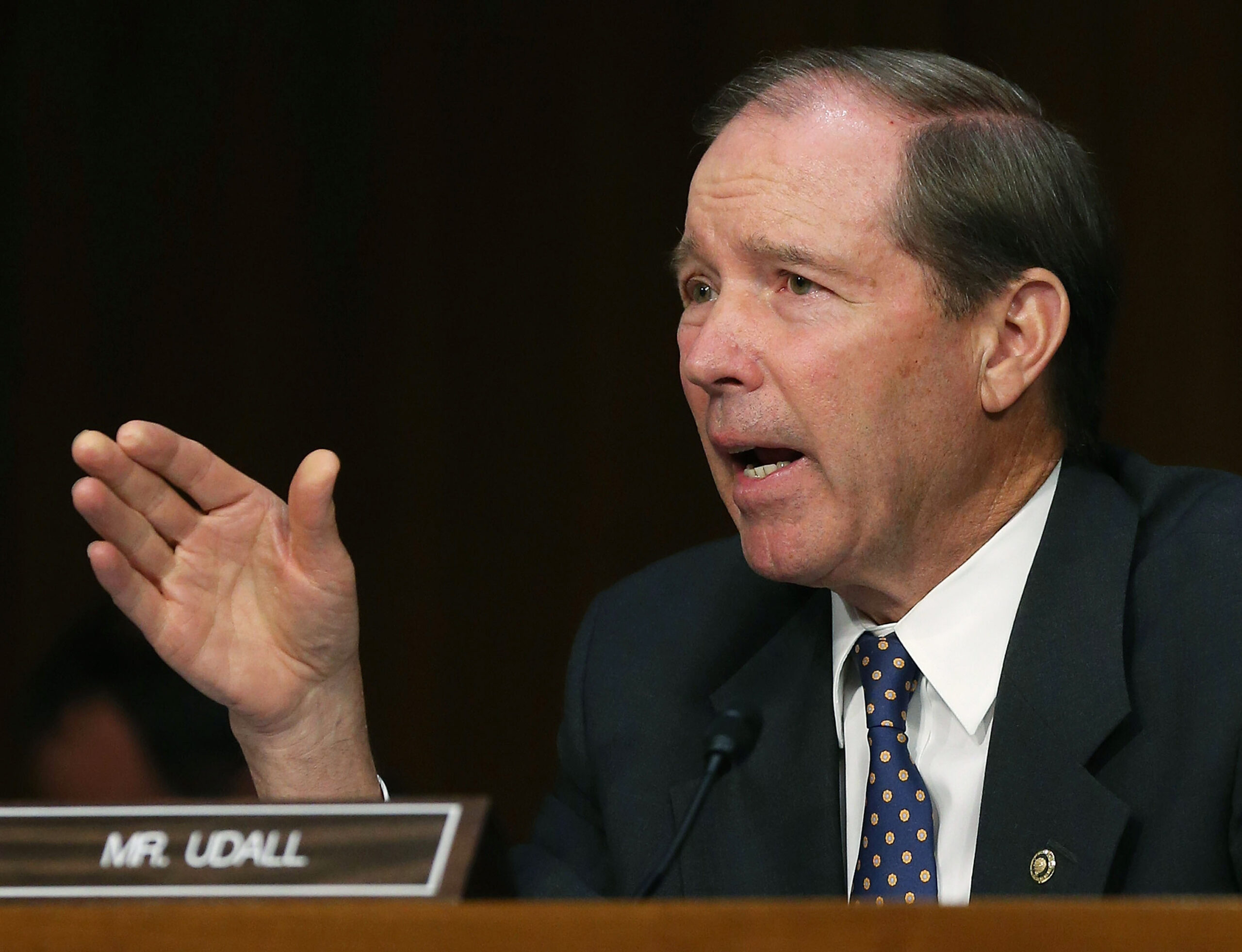
But Democratic proponents of the measure, sponsored by Rep. Tom Udall, D-N.M., say it is the only way to stop what they called “dark money” from infiltrating politics now that the 2002 campaign finance law has been overturned by the Supreme Court, allowing unlimited donations to special interest groups that aim to influence elections.
“Recent decisions rendered by the United States Supreme Court … have destroyed our campaign finance laws and have left the American people with a status quo in which radical billionaires are attempting to buy our democracy,” Reid, D-Nev., said.
But Republicans said the amendment would restrict free speech by giving politicians the power over who can give money.
“This proposed amendment would enshrine in the Constitution the ability of elected officials to criminally punish those who would dare to criticize them more than the elected officials think is reasonable,” Sen. Chuck Grassley, R-Iowa, argued before the vote.
