

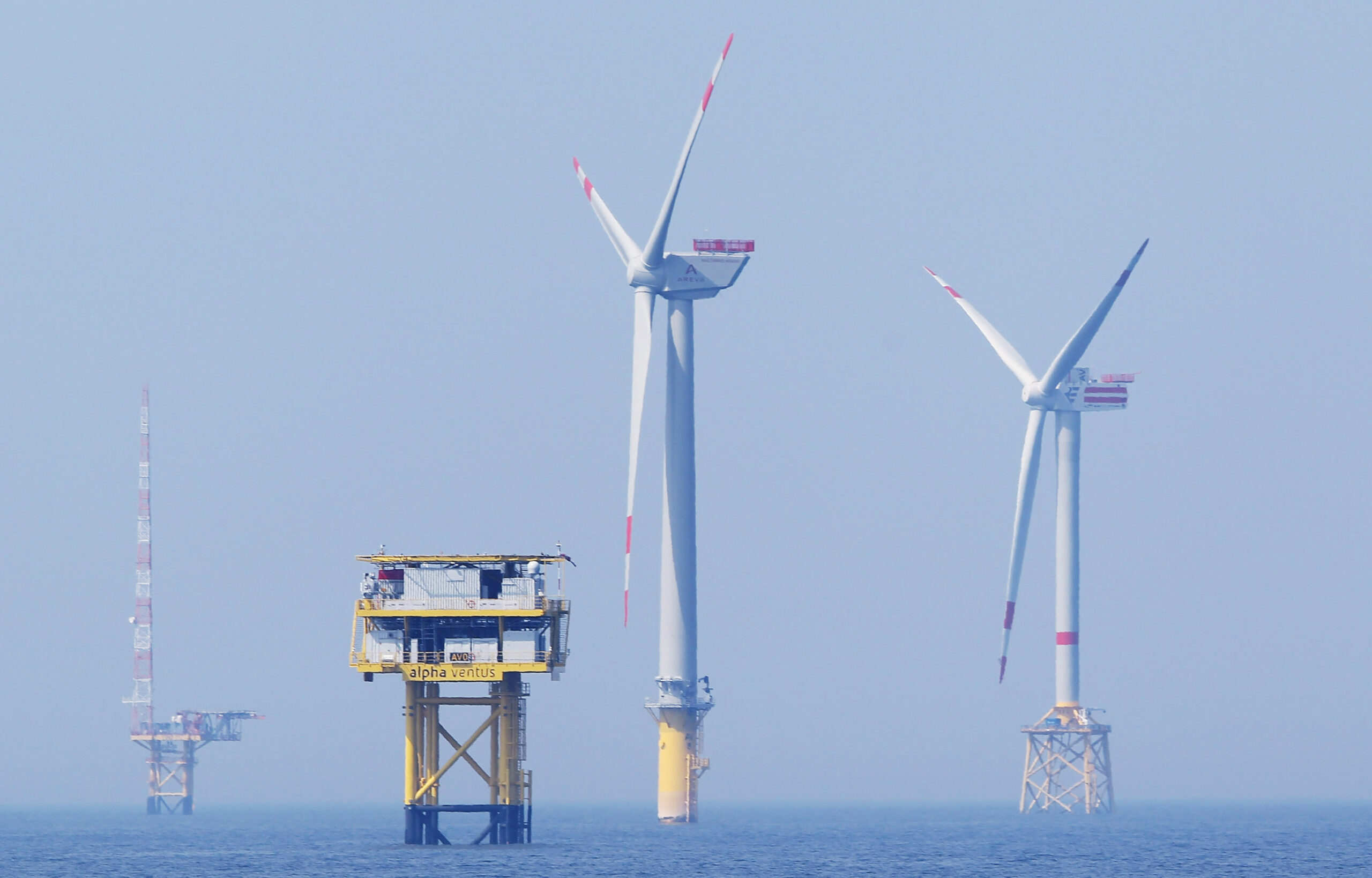
Virginia Dominion Power is delaying an offshore wind pilot project after the cost estimates came in significantly higher than anticipated.
The utility had hoped to get its twin test turbines off the Virginia Beach coast running by 2017. Dominion’s internal calculations said constructing the turbines would cost $230 million, but initial bids ranged between $375 million and $400 million. That price was too expensive to pass onto the customers who would finance the project through rate increases, said Dominion spokesman David Botkins.
Recommended Stories


“At that price tag, the estimates that came in, it was just so extreme that we didn’t feel like we could go forward with a July filing to [state utility regulator the Virginia State Corporation Commission],” Botkins told the Washington Examiner.
The turbines, which would add up to 12 megawatts of capacity — enough to power about 3,000 homes — now are not expected to be built until at least 2018. Botkins said the utility will need to await the results of a task force called for Thursday by the Virginia Offshore Wind Development Authority to find ways to drive down costs.
Cost has been a huge deterrent for offshore wind in the United States, which doesn’t host a single turbine off the coast. The Energy Department tried to jump-start the Dominion effort with a pair of grants totaling $51 million — only $10 million of which has been disbursed — but Botkins said that would only “scratch at the surface” of the costs.
Still, the Obama administration is bullish about offshore wind’s prospects on the Atlantic Ocean. An August 2014 Navigant Consulting study commissioned by the Energy Department said proposed Atlantic offshore wind projects would add 4.7 gigawatts of electricity capacity.
But financing has proven difficult. Earlier this year, Massachusetts’ two largest utilities pulled the plug on contracts it had with the $2.6 billion Cape Wind project, which was billed as the nation’s first offshore wind farm and received a $150 million federal loan guarantee. The move effectively killed the effort after years of planning.
Industry advocates on Capitol Hill are pushing for subsidies, though they haven’t made much progress. Sens. Tom Carper, D-Del., and Susan Collins, R-Maine, for the past several years have pushed legislation to create a tax credit to lessen the burden of the projects’ up-front capital costs.
