

One lawmaker is urging Congress to carefully consider the military’s plans to open all combat specialties to women as the services prepare to make all front line positions available to women by April 1.
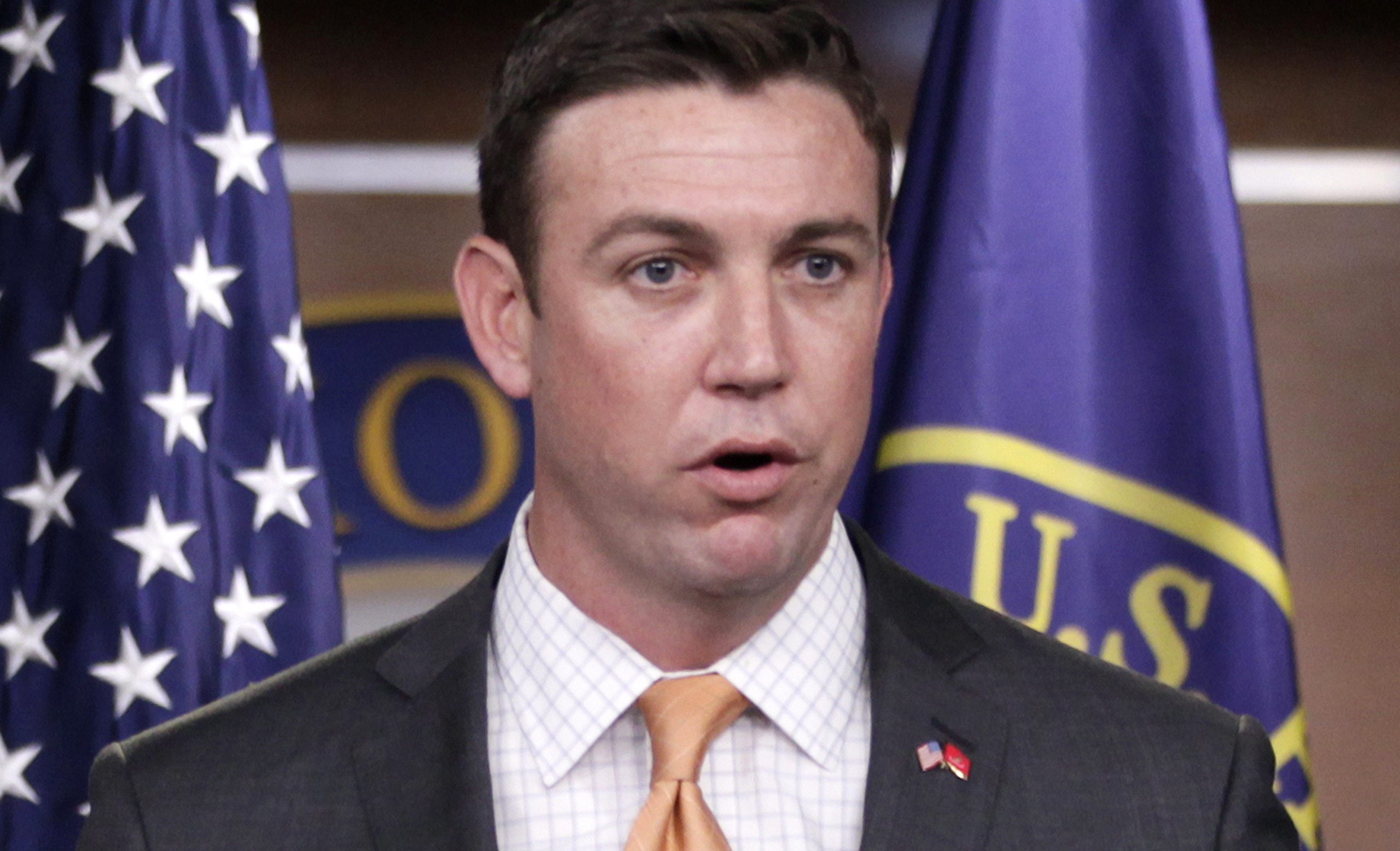
Rep. Duncan Hunter, R-Calif., urged his fellow members of Congress in an op-ed to Fox News to carefully review the advice of high-ranking military officials, as well as the findings of studies done by the Marine Corps and special operations community. Both things, he says, the White House has ignored in its effort to carry out a social experiment in the ranks.
Recommended Stories


“These survey results and report findings were either swept aside or discredited because they contradicted the White House’s political agenda,” Hunter wrote.
The Pentagon announced late last year that it would open all combat positions to women, despite the Marine Corps’ request to keep some of its positions closed after a study showed that women were more likely to get injured and perform worse in infantry jobs. Pentagon press secretary Peter Cook said last week that all services have submitted their plans to lift the ban.
Hunter, a Marine veteran who served in Iraq and Afghanistan, said lawmakers must carefully consider things that the administration didn’t to ensure combat effectiveness and unit cohesion are not affected when women are integrated in all combat units, including the infantry and special operations communities.
“There’s no disputing the fact that women have served honorably, and many have experienced combat situations over the course of campaigns in Iraq and Afghanistan, but opening infantry units and combat specialties presents a much different challenge. It’s not that doing so is impossible, but if it’s going to happen, it needs to be done right,” Hunter said.
Hunter said Congress must closely consider concerns that standards will be lowered to make combat positions gender neutral.
Marine Gen. John Kelly, the head of U.S. Southern Command who retires this month, echoed similar concerns during a press briefing at the Pentagon on Friday.
Kelly said he worried services would face pressure to lower standards if women do not qualify for or advance in combat specialties the way supporters of the change expected.
“If we don’t change standards, it will be very, very difficult to have any real numbers come into the infantry, or the Rangers or the SEALs,” Kelly said. “It will be the pressure for not probably the generals that are here now, but for the generals that are to come, to lower standards because that’s the only way it’ll work in the way that I hear some people, particularly the gender-driven people here in Washington, the way they want it to work.”
