

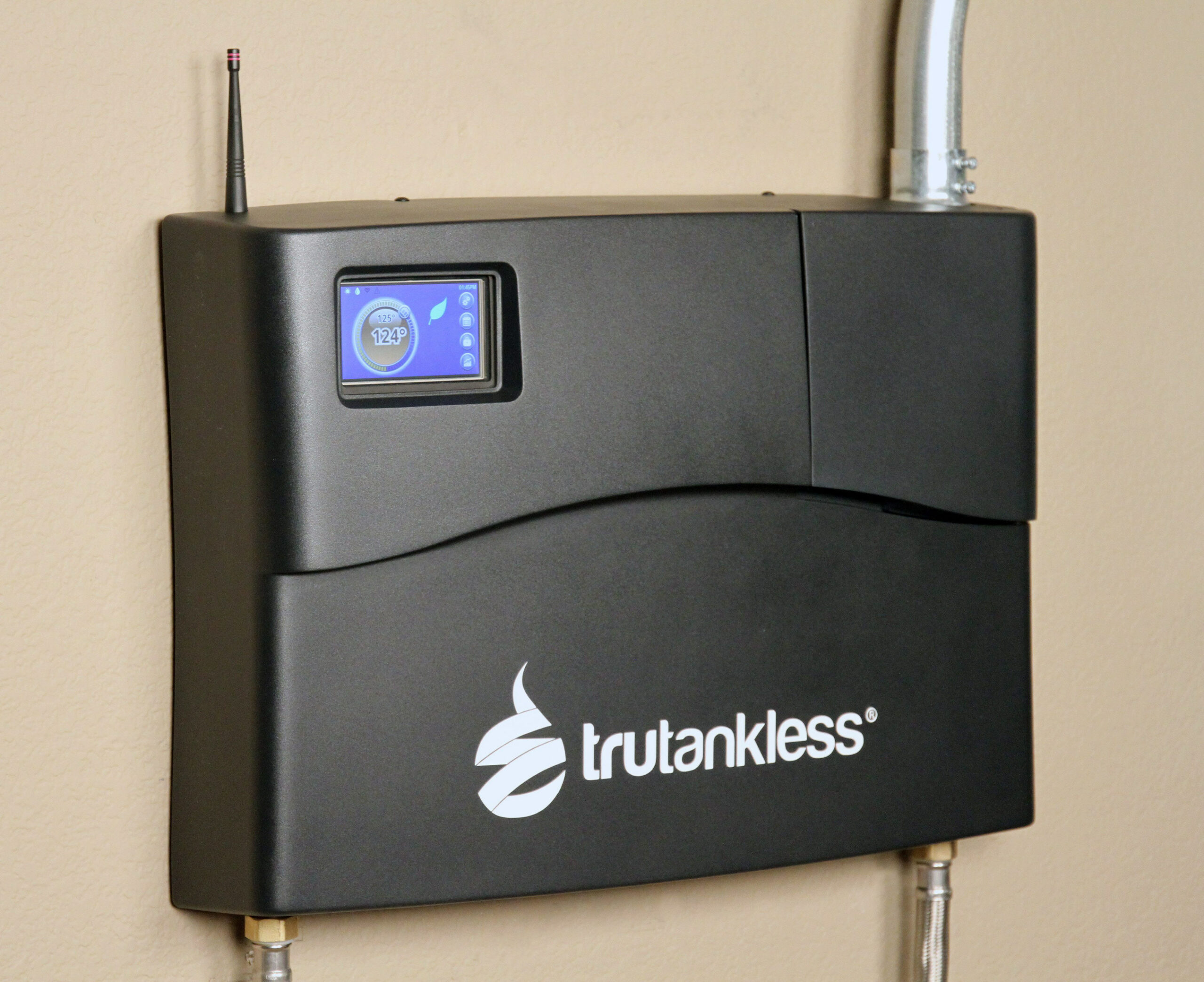
The House passed energy-efficiency legislation Tuesday that fixes an Energy Department ban on grid-enabled water heaters, which was threatening to drive up energy costs for consumers.
“The water heater language is good for consumers, good for utilities and good for manufacturers,” said Stephen Yurek, president and CEO of the Air-Conditioning, Heating and Refrigeration Institute. The bill was passed by voice vote.
Recommended Stories


“We are hopeful that Congress can get this quickly to the president’s desk and we can continue to use these water heaters to help reduce demand for expensive peak energy,” he said. The institute is fighting a variety of energy-efficiency standards that it argues will drive up costs for low-income consumers, while making it cost-prohibitive for manufacturers to build the devices the Energy Department wants.
The Energy Department issued the standard last year that went into effect on April 16. It would ban the use of a kind of water heater that is used to reduce electricity consumption when demand is highest to save energy and reduce prices.
Utilities, especially rural cooperatives, have used the grid-enabled water heaters, which are larger than conventional heaters, to stabilize the electric grid at times when it is stressed, which relieves congestion on transmission lines and saves consumers from paying higher energy prices during peak demand periods.
Under the terms of the department’s rules, manufacturers of these heaters would no longer be able to make or sell the devices in favor of deploying other efficiency devices.
The legislation was supported by a broad cross-section of energy efficiency advocates, environmentalists, rural utilities and manufacturers. A Senate version of the bill, the “Energy Efficiency Improvement Act of 2015,” was passed last month, kicking it to the House.
“The bill helps save consumers money, promotes reliability of the grid and helps integrate renewable energy — truly a win-win-win piece of legislation,” said Jo Ann Emerson, CEO of the National Rural Electric Cooperative Association.
She added that the water heater ban would have affected 250 cooperatives throughout the nation that deploy the devices to help save their customers money.
“More than 250 co-ops in 35 states utilize large-capacity electric resistance water heaters to reduce demand by an estimated 500 megawatts and save consumers hundreds of millions of dollars,” Emerson said.
