

Experts and critics alike believe the Obama administration’s disengagement from the Middle East helped cause the rapidly deteriorating situation between Iran and several Arab states.
“The United States has a very big role in what has happened,” said Jennifer Loewenstein, a Middle East expert at Penn State University and human-rights activist.
Recommended Stories



“I think the Saudis are very angry with the Obama administration” over the nuclear pact between Tehran and six world powers. “But at the same time they can’t afford to sever ties with the United States.
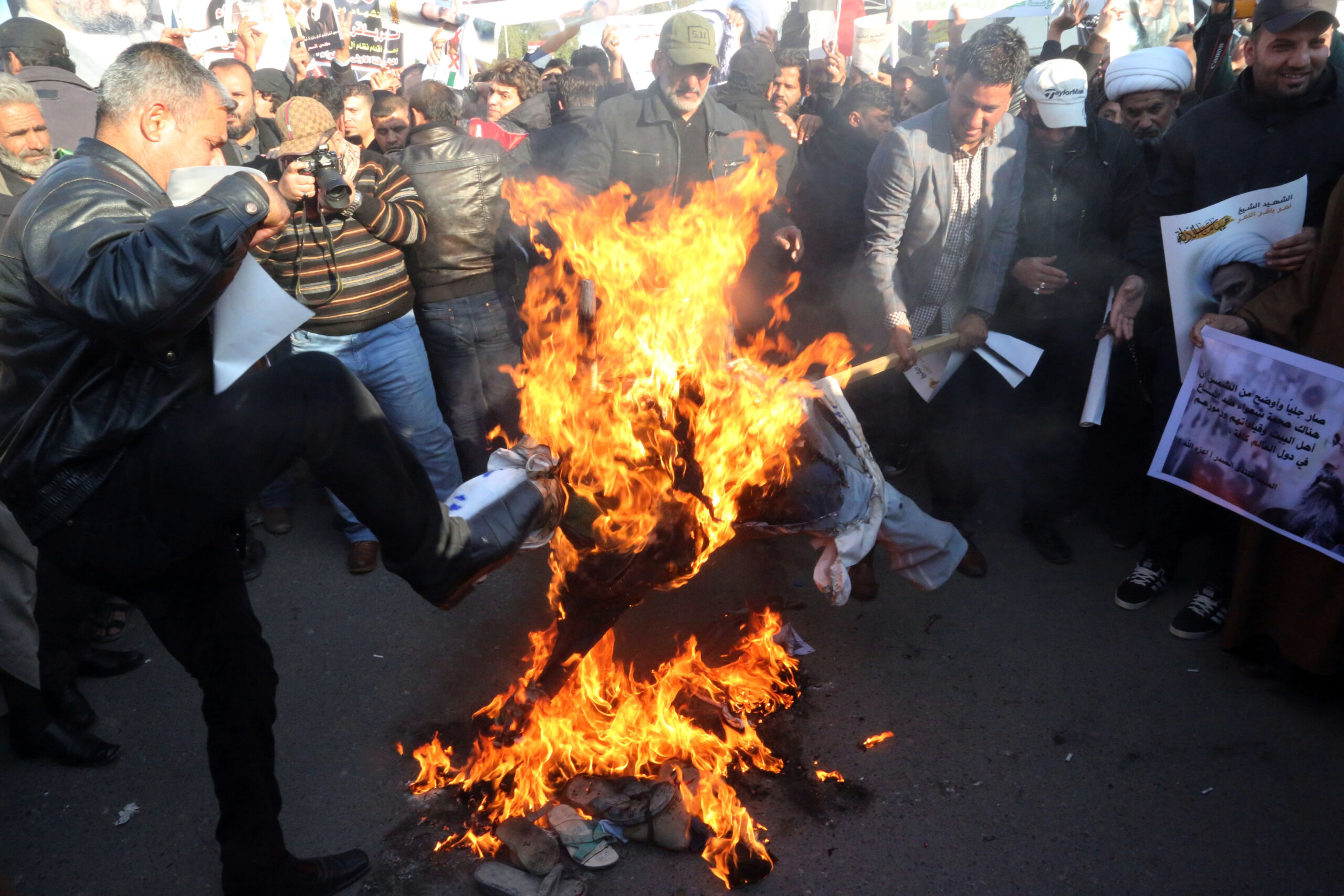
“They can’t exactly point their guns, metaphorically speaking, against the U.S., so” instead the Sunni-dominated nation lashed out at Shiite-led Iran by executing a prominent Shiite cleric. After Iranians predictably retaliated against the execution by attacking the Saudi embassy in Tehran, Riyadh dissolved diplomatic relations between the two, and other Arab states have followed suit. “Indirectly I think this is kind of a slap at the U.S.,” she said of the Saudis’ provocative move.
Senate Homeland Security Chairman Ron Johnson, R-Wis., blamed the nuclear agreement for alienating the Saudis and leading to further instability in the volatile region.
“You don’t need a whole lot of justification for these two nations to hate each other,” Johnson said told CNN last week. “Without America’s stabilizing presence there, things are spinning out of control.”
Johnson said one of the reasons he opposed the nuclear agreement was out of concern that Saudi Arabia would seek a nuclear weapon to bolster itself over what it believes is Iran’s growing influence with the U.S.
I feared it “would proliferate an arms race in the Middle East,” he said.
Kenneth Pollack, a Brookings Institution expert on the Middle East, said he supported the nuclear deal. But the Obama administration did not do enough to sell America’s regional allies on it.
“The Obama administration was disengaging from the Middle East and in so doing really frightened and frustrated the Saudis,” he said. Riyadh inferred that Obama’s pursuit of a nuclear deal signaled a shift away from Saudi Arabia being the U.S.’s biggest Arab ally toward Tehran, which had been the country’s top ally in the region before the Iranian revolution that led to the 1979 hostage crisis there.
“The way that we handled our whole Middle Eastern policy certainly contributed to” Saudi Arabia’s decision to follow through on years of threats to execute the Shiite cleric Nimr al-Nimr.
Obama now needs to reassure Saudi Arabia and push back against Iran’s regional aggression. So far Obama has given Tehran “free pass after free pass after free pass,” Pollack said.
“At the end of the day, our conduct … has really frightened the Saudis,” he said.
For its part, the Obama administration is talking to both sides to calm tensions. White House spokesman Josh Earnest said last week that Secretary of State John Kerry was talking to his counterparts in both Middle Eastern capitals.
Kerry’s message is that escalating tensions are bad for both countries, Earnest said.
“So that’s why we believe that we’ve got a strong case to make when we can go individually to the Saudis, with whom we have a close and strong relationship, but even when we’re making a case to the Iranians, with whom we do not even have official diplomatic relations, that it is within their interest to try to change the path that they’re currently on,” Earnest said on Jan. 5.
Loewenstein said the administration needs to convene direct talks between the rivals to keep the situation from worsening.
“We need to sit both sides down and manage” the situation, she said, adding that the Obama administration has been “singularly inept” at handling tensions in the Middle East.
Pollack said that after mishandling the Arab Spring and multiple civil wars, the best thing Obama can do now is to double down on ending the Syrian civil war to show that America is serious about engaging the region and won’t abandon its allies there.
Developing a “much more robust Syrian policy is the only way for Obama to convince our Middle Eastern allies that we are serious about the Middle East,” he said. Sending “only 50 guys” after the original tactic of training and equipping moderate Syrian opposition forces will not cut it, Pollack added. Ending that conflict will require near full military engagement there.
Obama needs to “tell the Saudis ‘we’re not abandoning them and to get in line behind us,'” Pollack said. ” ‘You don’t need to lead because we will.’ That is the problem with leading from behind, because it ain’t leading.”
