
Gerald Connolly and Gary Baise each used the word “Fairfax” Tuesday to identify the sprawling, suburban D.C. county they’re seeking to lead. But in their first debate, the contenders for the board’s top elected spot were not talking about the same place.
Baise’s Fairfax is a county falling to pieces under Connolly’s tenure as chair, deteriorating because of the Democrat’s inaction on illegal immigration, excessive and misguided spending, failure to curb mounting traffic congestion and lax oversight of developers who donate substantially to the chairman’s campaign.
Recommended Stories

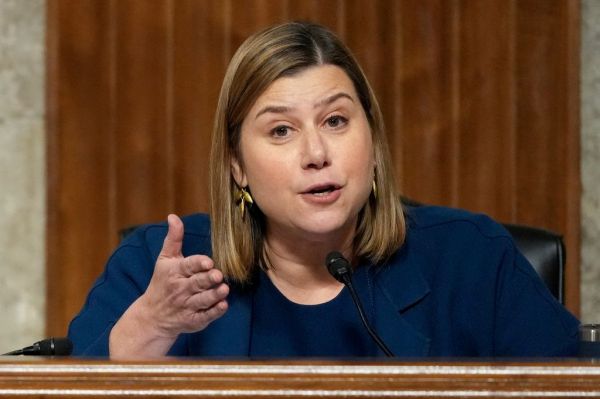
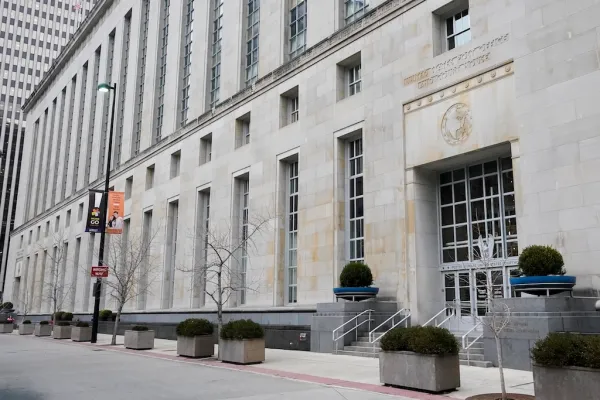
Connolly’s Fairfax is in enviable shape, a place with some of the finest schools, highest incomes, strongest possible bond ratings and the lowest crime; where the board — though hamstrung by the legislature — has taken the reins to improve roads and bring about smart new transit-friendly growth.
“He would have you believe, as he must in a campaign, things are going to hell in a handbasket,” Connolly said of his Republican opponent. “Nothing could be further from the truth.”
Tuesday’s Chamber of Commerce debate at the Westin Hotel in Tysons Corner left Connolly and Baise treading over well-worn territory, offering little that hadn’t been heard before from either candidate.
It was surprisingly civil, even congenial, considering that each man has spent recent months thrashing the other in the media and repeatedly insinuating his opponent was corrupt.
Baise opened by pledging to serve the full four years as chairman, a jab at Connolly, who is widely expected to launch a bid for Congress next year in Virginia’s 11th District that would cut short a second term.
Perhaps his strongest charge was that the board has let contributions from developers cloud its judgment, saying it has failed to make builders pay enough for their impact to the county.
“If it’s not a conflict of interest, it is certainly an appearance of conflict of interest. That is why we’re not getting sufficient proffers and infrastructure in place,” Baise said. “You can’t take money and make fair decisions when it comes to infrastructure and proffers.”
Connolly cited reductions in the real estate tax rate, a 32 percent decline in gang violence and the preservation of hundreds of low-rent housing units as evidence of “enormous progress” in his six-point agenda on gangs, the environment, affordable housing, education, transportation and tax relief.