

These days, we have no shortage of writers who earn their wages by offering opinions, reviews, and hot takes, but those belonging to the higher calling of the critic are in short supply. The critic does not merely opine but observes his or her subject intently, fairly, and mercilessly. The critic may specialize in one subject but ought to be conversant in many. The critic is unbowed by consensus, editorial influence, reader feedback, or social media outrage. Well, do you know of anyone who fits the bill these days?
Indeed, the golden age of the critic seems to have passed. Pauline Kael is dead. So is Anatole Broyard. Joan Didion, John Leonard, and Hugh Kenner — that cadre of critics who got their start at, or were associated with, National Review — are each gone. The last charitable, trustworthy film critics to serve at the New York Times, Vincent Canby and Janet Maslin, resigned from their posts in 1994 and 1999, respectively. Imagine, a quarter-century without solid movie reviews at the Gray Lady!
Recommended Stories

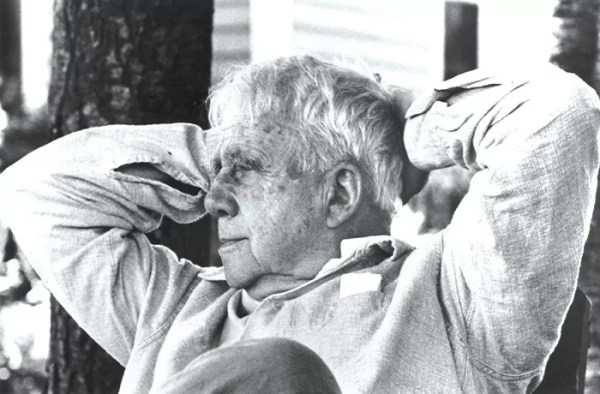
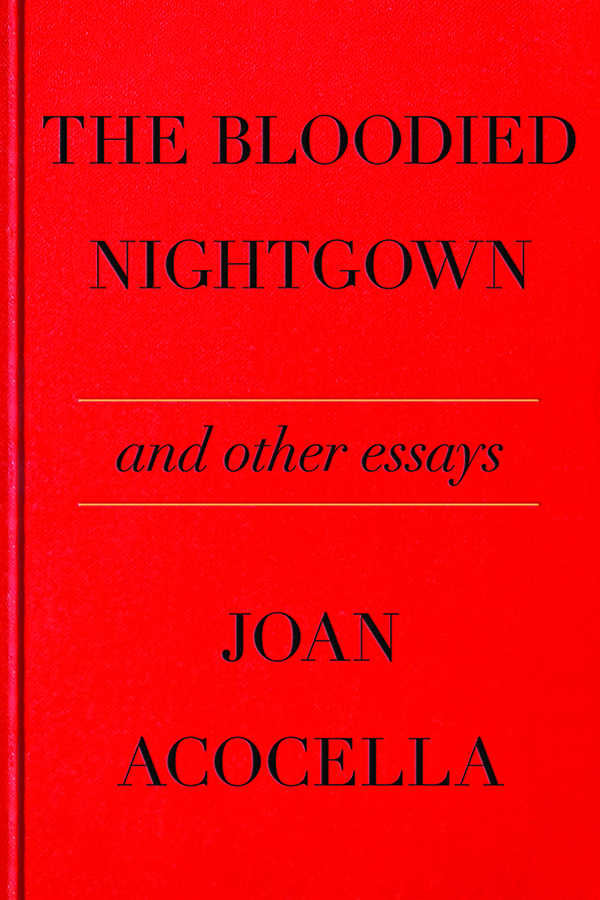
And now, we must mourn long-tenured New Yorker staff writer Joan Acocella, who died of cancer in January at age 78 and who may have been the last regular contributor to make the once-august publication founded by Harold Ross still worth picking up from time to time. Although ballet and dance were widely regarded as her areas of expertise, Acocella was capable of writing engagingly and credibly about countless cultural topics. Her latest and now final collection of reviews and essays has just appeared.
Even if the new book were not forced to serve as a valedictory for Acocella, it would still have functioned as a last gasp of the sort of criticism in which Acocella excelled: open, intelligent attempts to engage with personalities and ideas with which the critic may or may not be in personal sympathy. We aren’t always sure, and it never matters. She calls balls and strikes. Her equitable sensibility is on vivid display in the title essay, a meditation on Bram Stoker’s Dracula and its enduring cultural currency. At one point, Acocella goes on for two paragraphs about the various defects of the novel, its overstuffed plot and overdone oratory, but then changes course and admits its “psychological acuity.” “We cannot help but be impressed by Stoker’s representation of the amoral contrivances of love, or of desire,” she writes. And when a critic so evenly presents her objections to and defenses of a given work, we know we are in good hands.
Acocella aims to get across what the art is about and what the person who made the art is about, too. It is her interest in the latter quality that sets her apart from many contemporary so-called critics, who are happy to dismiss books, movies, or plays because of the alleged misdeeds of their makers but are firmly opposed to understanding those works through the lives and worldviews of their makers. From this, Acocella dissents. In a wonderfully concise introduction to the essays here, she locates the origin of the present disinterest of “the artist’s inner life” to the modernism of T.S. Eliot. “In the 1980s, the notion of an artwork undefiled by the artist’s experience gave birth to an even weirder child, the postmodern idea — or, in any case, Roland Barthes’s idea — of the ‘death of the author,’” she writes, but instead of arguing the point on its merits, she more or less spends much of the rest of the book establishing just how very relevant and vital “the author” still is.