
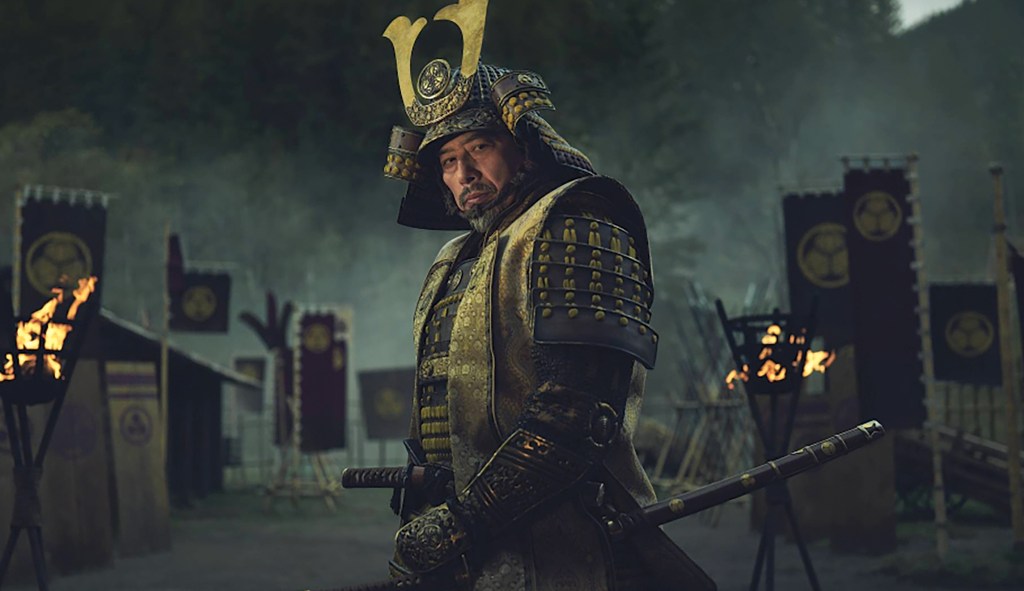
Finally, something good to watch on TV again. Amid a sea of Disney-Marvel dross, the drip-feed of mediocre Netflix dime-a-dozens, and billion-dollar adaptations not worth the server space they’re housed on, in comes Shogun — an impressively grand but refreshingly human take on the final throes of Japan’s warring states era.

Each of the major streaming services has tried their hand with a big swords and sandals (or, now katanas and kimonos) epic series. And, with the arguable exception of HBO’s Game of Thrones spinoff House of the Dragon, all have largely failed. Netflix’s The Witcher began with signs of promise in its first season before falling immediately off a cliff; Amazon’s The Wheel of Time and The Rings of Power were, like The Witcher’s later seasons, an insult to fans of the original material; and Disney’s small-screen Star Wars and Marvel servings go from bad to worse to unspeakable.
Real journalism.Trusted by millions.
Unlimited access to in-depth reporting, expert analysis, and the stories that shape our country.
Already a member? Log in
Shogun, however, gets it right. In addition to its compelling subject matter, gorgeous costumes and scenery, and a number of stellar performances, Shogun stands out by rectifying the largest mistakes of its peers: bad writing and being too rigid or too flexible about adaptation. Its story is told well, its dialogue largely consistent and believable, and, while often straying from Clavell’s book, it nevertheless remains faithful to the spirit.
Shogun follows the story of English pilot (that is, ship navigator) John Blackthorne (Cosmo Jarvis) as he and his dwindling crew are marooned in Japan in the year 1600 after their crossing from Holland. Japan finds itself in a political stalemate after the death of its ruler, the taiko, who left behind a Council of Regents, made up of the five most powerful regional lords, to shepherd the country until his heir comes of age. Blackthorne washes up in lands subservient to one of these competing lords, the great daimyo Yoshii Toranaga (Hiroyuki Sanada). At the same time, the Catholic nations of Spain and Portugal, enemies of Protestant England, monopolize all trade between China and Japan and hold tremendous religious and political influence in the country. Through a chance of fate, and due to his antipathy toward the Catholics, Blackthorne gains the favor of Toranaga, who sees the upstart anjin (“pilot” in Japanese) as a useful pawn in his civil war against his political rivals.
Much of what makes Shogun so compelling is that both book and miniseries are historical fictions: its main characters are loosely based on real-life counterparts, and its story traces the major events that led to the end of the Sengoku era warring states and ushered in the Edo period, which saw the establishment of the Tokugawa shogunate. (Any readers who have seen Kurosawa’s movie Ran will have seen a story set during this period.) Toranaga is based on that dynasty’s founder, Tokugawa Ieyasu, while Blackthorne is based on the English navigator William Adams, who did, in fact, crash-land on the shores of Japan and proceeded to more or less Forrest Gump his way through some of the most significant moments of Japanese reunification.