

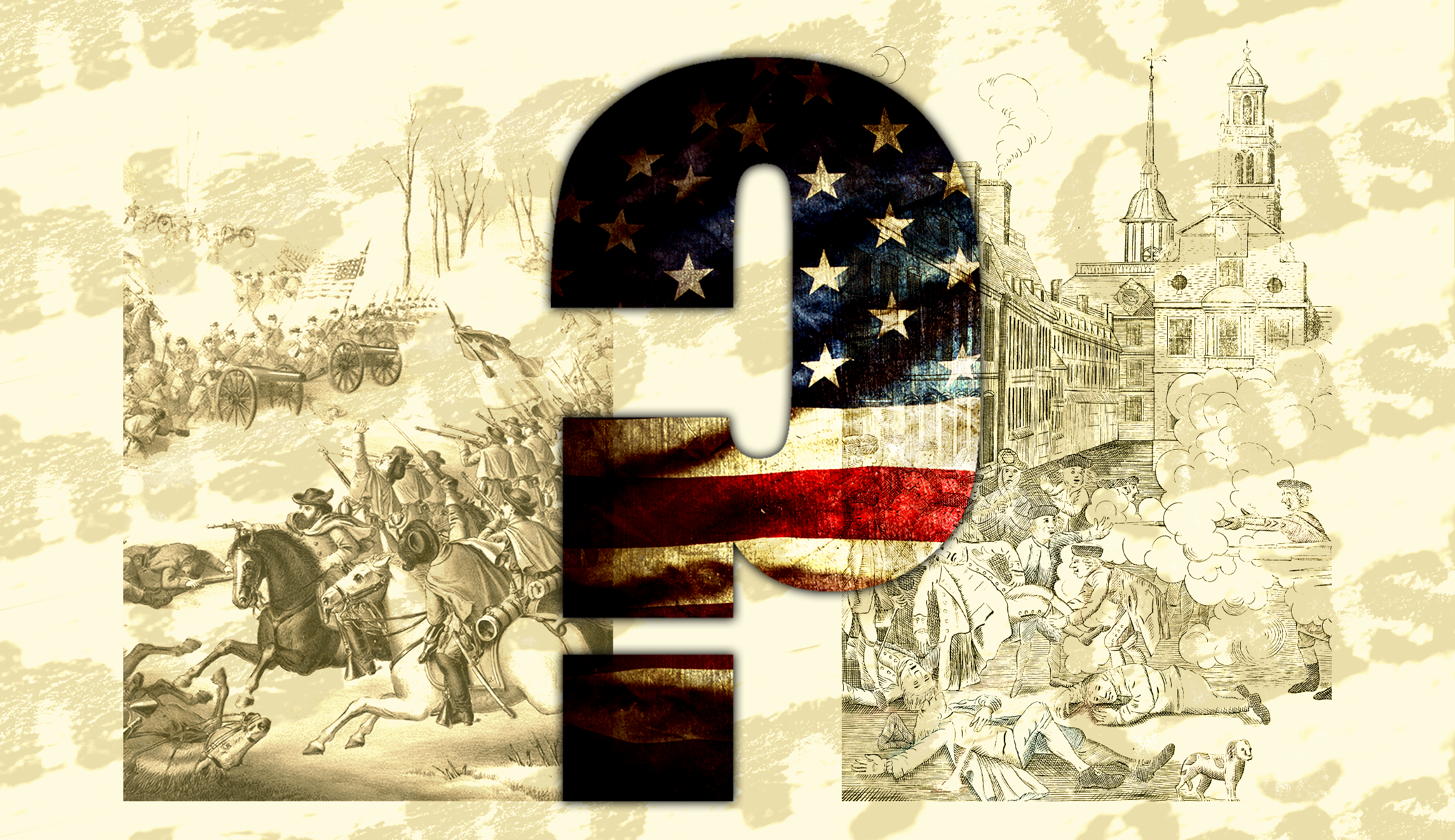
Over the past decade or so, a notable trend among American historians, particularly those prioritizing social justice in their research, has been to frame the unsavory facets of United States history as the defining features of the society. One useful way to think of this is as a version of the American exceptionalism the same people often criticize, only in photo negative. For example, it imagines, or might lead a reader to imagine, that America was uniquely guilty of or capable of wars of conquest or systematic racial subjugation in ways that the historical record taken in its fullness cannot support.
Two kinds of work tend to come out of this process: ones that help us reexamine the ways we should think about the past by providing nuance to American “progress” and others that distort our understanding of the past by oversimplifying darker aspects of history, often taking events out of their proper national and world context.
Stay informed.Stay ahead.
Join Washington Examiner for unlimited access to the news, analysis, and commentary that matter most.
Already a member? Log in
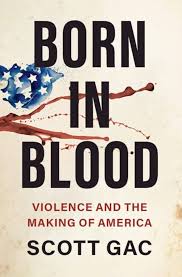
In Scott Gac’s latest book, Born in Blood: Violence and the Making of America, the author insists he is not writing a book about negative American exceptionalism, saying, “the violence that bolsters antagonistic differences in liberal society (as well as the violence used to resist the structures of liberal life) is not unique, or, to borrow terminology from an earlier generation of scholars, ‘exceptional’ in the American experience. It is a global phenomenon often linked to economic structures that fall into two categories: ‘global White supremacy’ and racial capitalism.’” Nevertheless, he quickly contradicts this claim, dwelling on “aspects of American violence that are more unique.”
Born In Blood is centered on the notion that America’s liberal tradition has been propped up by violence. The book, the author explains, “is about government force (state violence) and acts of violence by individuals and communities in the United States. It tracks violence as a national tradition, one created by an assortment of persons from the Revolution and Civil War to the Gilded Age.” All examples of violence “tracked” in the book then become part of the liberal tradition, regardless of the motivations behind it or responses to them.
While anyone might grant that the American Revolutionary War was, in fact, violent, it is difficult to see if Gac’s argument is correct because “liberalism” hardly receives a clear definition throughout the book. He talks about it more like an effervescent vibe — something we understand exists but can’t be fully grasped. Sometimes “liberalism” stands in for American democracy and its institutions. At other times, it’s just government authority indistinguishable from undemocratic and illiberal counterparts across time and place. In much the same way, Gac asserts that “capitalism is a system of economic and political authority that is integral to the hierarchies of American liberal life” but simply and incompletely defines capitalism as “at its most basic level the speculation of money in hope of profit.”
