


Some one and a half million of the victims of the Holocaust were children. A small number survived on their own, but most were saved by programs like Kindertransport and One Thousand Children that removed them from their homeland and transported them to safer countries. Others became part of a group known as the Hidden Children. Their Jewish parents secretly gave them to non-Jewish families, and they assumed false identities.
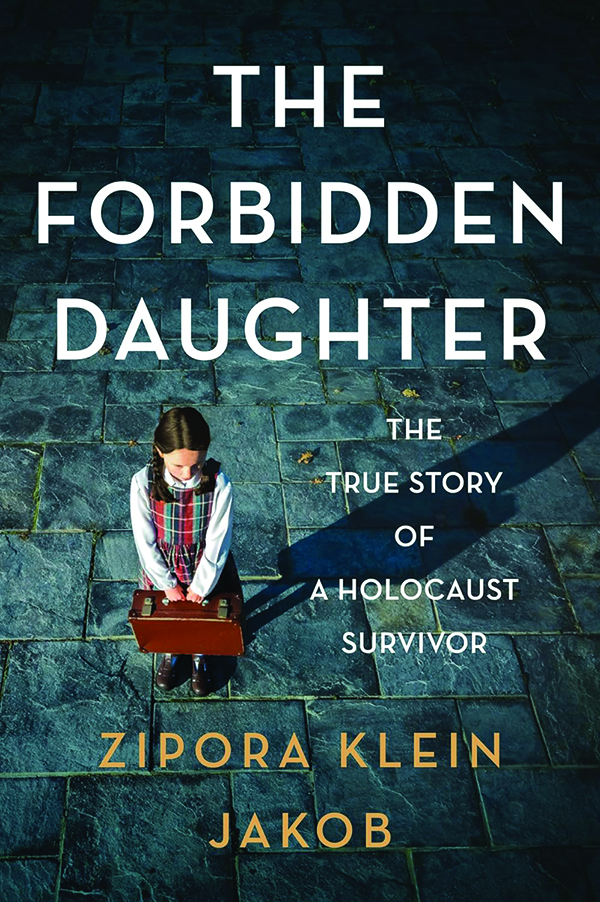
One of the best nonfiction accounts of the subject is The Hidden Children: Secret Survivors of the Holocaust by psychologist Jane Marks. For a different sort of view into this dark story, there is now Zipora Klein Jakob’s biographical novel, The Forbidden Daughter, the True Story of a Holocaust Survivor, which chronicles the life of one hidden child, Elida Friedman. The novel’s central character, she has dark hair and eyes, which bodes ill for her.
Stay informed.Stay ahead.
Join Washington Examiner for unlimited access to the news, analysis, and commentary that matter most.
Already a member? Log in
Jakob sets her story in 1940s Lithuania. The Nazis have just murdered 5,000 Lithuanian Jews who were supposed to arrive in Kovno from Vilna (more commonly known in English today as Vilnius). Dr. Jonah Friedman and his wife, Tzila, live in the Kovno ghetto with approximately 29,000 Lithuanian Jews and without running water. Disease is rampant, medicine is in short supply, food is scarce.
Some Jews had already run away from Kovno to join resistance groups in the nearby forests. Some escaped to Israel or the United States. But most of those who are no longer in the Kovno ghetto were sent to concentration and extermination camps. Some who reside in the ghetto had been university professors and now have jobs as policemen. The elderly and infirm help out as cooks, menders, and cobblers. A few people work as nurses and doctors.
Jonah is a doctor in the nearby hospital. He and his colleagues have been discussing the ethics of abortion, which was forbidden by Jewish law. The Nazis had recently decreed that Jewish women were not permitted to give birth. Those who became pregnant would have to abort or die. Most women accept this ruling because the circumstances at Kovno are deplorable.
