

After years of Scandinavian and Bauhaus-inflected minimalism, no-frills graphic design, and the Marie Kondo-inspired culling of closets, clutter is suddenly back in style. According to the New York Times, a Ralph Lauren Christmas was the trend of the holiday season, although you don’t need to shop at Ralph Lauren to get the look. Cost-conscious consumers turned to a legion of influencers to learn how to fill their living rooms with tartan ribbons, cozy lighting, and throw pillows and blankets on the cheap.
The Ralph Lauren Christmas aesthetic is inspired by the man himself, who has become an iconic figure in American fashion by borrowing extravagantly from a variety of sources, including English country homes, American Ivy League campuses, and the sport of polo, to create his distinctive aesthetic. There is a bit of poetic justice to social media personalities chasing clout by explaining how to get the Ralph Lauren look without paying Ralph Lauren prices. For decades, he occupied a similar space in the fashion industry, selling his own fanciful version of the “old money” lifestyle to customers who never went to prep school.
Recommended Stories



As Ralph Lauren enters the winter of his career, his business acumen and broader influence on American culture are worth considering. Lauren is now widely acclaimed as the most important figure in American fashion. Mall brand competitors such as Tommy Hilfiger and Perry Ellis have long since fallen by the wayside. A cottage industry has sprung up around reselling vintage Ralph Lauren pieces (some of the prices for these secondhand finds are truly astonishing). Lauren’s fingerprints are on everything from his ubiquitous, pony-adorned polo shirts to a capsule collection celebrating the 250th anniversary of the U.S. Postal Service.
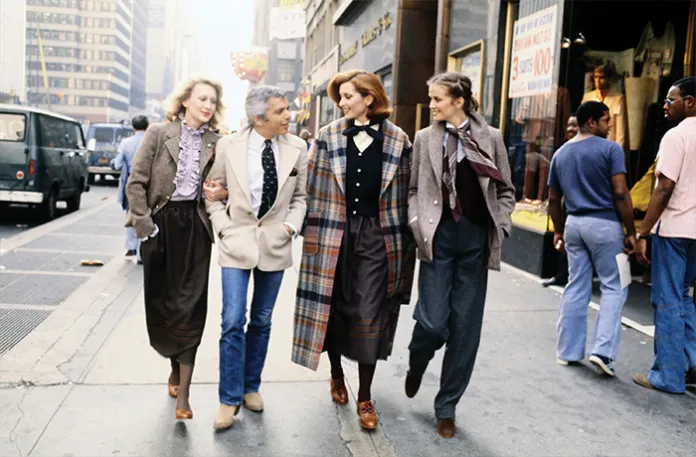
To younger customers, Lauren embodies the “old money” aesthetic, but he was once a brash young arriviste, selling outrageously thick ties at a time when slimmer designs were in style (think the 1960s heyday of the Mad Men look in New York City). Even today, the Lauren empire relies on over-the-top logos to move product, from the aforementioned polo ponies to the inescapable Polo Bear. Lauren’s talent for branding is undeniable, but it’s not exactly traditional; the upper crust typically prefers subtler signifiers of wealth and taste.
Lauren intuitively grasped the appeal of the “old money” look, borrowing liberally from the closets of Northeastern WASPs and British aristos to create his brand. But he was not born into this stylistic lineage, which is probably why he is so comfortable subverting its conventions. Lauren was once Ralph Lifschitz of the Bronx, an oft-overlooked biographical detail that the brand Old Jewish Men pays tribute to with its “Polo Ralph Lifshitz” hat. He never finished college and got his start in the fashion industry as a salesman at Brooks Brothers, the preppy East Coast clothier that once occupied the same place in American culture that Lauren does today.
There is a long and noble tradition of Jewish tailors catering to the styles and sensibilities of East Coast WASPs. J. Press, still the most iconic Ivy League shop, was founded in 1902 by Jacobi Press, an immigrant from czarist Russia. What sets Lauren apart from his stuffier counterparts is that he has never been constrained by the subdued traditions of classic menswear. He borrows liberally from every imaginable stylistic subculture, from Italian suiting to London’s Savile Row to preppy Americana to workwear and Western-flavored ranch outfits, and unapologetically markets his products to a mass audience.
Lauren’s talent for pastiche may be why his brand continues to thrive in the social media age, which fixates on looks, trends, and designs without paying much attention to where they came from. The downside to this approach is an overreliance on loud logos and a penchant for fakery that would make a con man blush.
At his best, Lauren’s style has an egalitarian, democratic feel. Most of us will never step onto a polo field or a rugby pitch, but the accoutrements of these sports can now be found in middle schools across the country. There is something quintessentially American about taking a product or pastime meant for the elite and making it accessible to everyone.
At other times, such borrowing veers dangerously close to stylistic stolen valor. From khakis to field jackets, many popular clothing items have army roots, but Lauren’s fascination with vintage militaria goes beyond mere inspiration. It is deeply weird to charge premium prices for a made-in-China garment that implies you are a member of a crack military outfit. A current season offering is emblazoned with the words “State Forestry Department,” which suggests the wearer is, what, an off-duty forest ranger?
RICK STEVES AND THE CLOSING OF THE TRAVEL FRONTIER
Lauren’s fakery may be his most lasting contribution to modern style. J. Crew has just released a “collegiate collection” that will be worn by thousands of people who did not attend Northwestern or the University of Michigan. Mall brand competitor Abercrombie offers a range of faux-vintage T-shirts advertising destinations, musical acts, and events for its increasingly sedentary Gen Z customer base. GQ has noticed a spate of T-shirts promoting bands the wearers have never bothered to listen to. Not every up-and-coming brand or influencer favors Lauren’s preppy aesthetic, but they have all adopted his laid-back approach to authenticity.
At least Lauren’s borrowing is aspirational. Ralph Lifshitz may have come from an undistinguished background, but Ralph Lauren is a member in good standing of the American aristocracy. In the best tradition of old money, Lauren generously subsidizes artists and craftsmen, including those from subcultures he’s borrowed from. From his luxurious ranch to his glamorous red carpet appearances, Lauren is a living embodiment of the lifestyle his clothing empire celebrates. There is a lesson there for aspiring interior designers and would-be fashionistas. If you’re going to steal a look, steal from the best and make it your own.
Will Collins is a lecturer at Eotvos Lorand University in Budapest, Hungary.
