
There is nothing a public policy analyst enjoys more than a good analogy. Artificial intelligence literature is replete with them, provided regularly by think tank experts, industry luminaries — Anthropic’s Dario Amodei’s “Machines of Loving Grace,” referencing poet Richard Brautigan, remains my favorite — and philosophers of diverse perspectives. Recently, former Google CEO Eric Schmidt introduced another intriguing concept in his comprehensive paper “Superintelligence Strategy”: MAIM, or mutually assured AI malfunction.
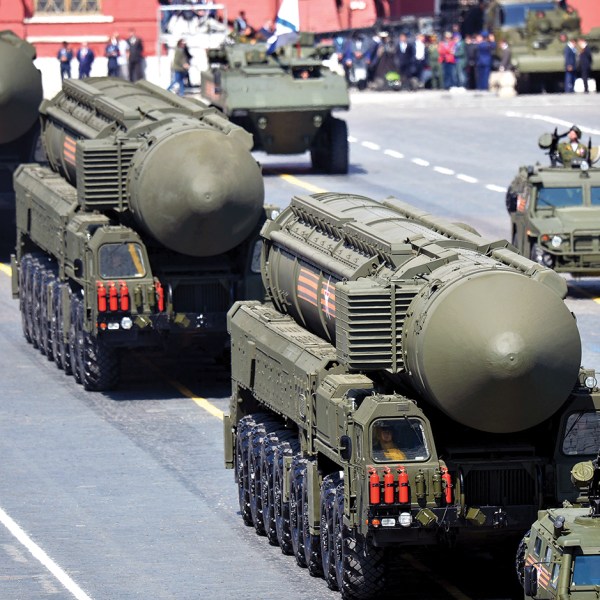
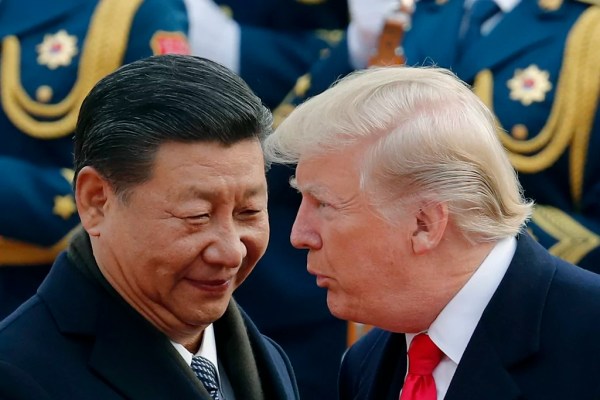
The acronym is a reference to the Cold War era and the Rand-coined MAD, short for mutually assured destruction. Such evocative acronyms, reminiscent of nuclear tensions, are undeniably effective at capturing the public imagination. Schmidt’s parallel innuendo here is that as we were on the brink of utter devastation 50 years ago during the U.S.-USSR nuclear race, we are in the same predicament today as we are caught in the midst of the U.S.-China AI race. Although I do not fully subscribe to this view, believing firmly that the United States can and should lead, albeit with China closely trailing, many economists seem convinced that the race will have no winner.