Yemen, the unfinished business America ignores at its peril

As thousands of drones and missiles fly through the skies of the Middle East targeting the United States and its allies, one group’s weapons are notably absent — the Islamic Republic of Iran’s partner in Yemen, the Houthis. That doesn’t mean the group no longer poses a threat.

The Houthis were at the forefront of the war in Gaza and kept up a military campaign against Israel, commercial shipping in the Red Sea, as well as American and partner naval forces for two years. They only relented in October 2025 when the Gaza ceasefire went into effect.

The group was also the leading defender of the Islamic Republic during the 12-Day War in June, claiming responsibility for multiple missile attacks against Israel. They were also the only foreign proxy to launch attacks in direct coordination with Tehran.

The group’s violence in support of Palestinians and the Islamic Republic is as much a product of strategic decision-making as of their fanatical religious ideology, which casts the group as a protector and leader of the Muslim world. This makes it even more surprising that the Houthis have not jumped to defend the Islamic regime in Tehran now. They were once spoken of as the leading Iranian proxy, but now Iraqi militias and Lebanese Hezbollah are in the headlines.

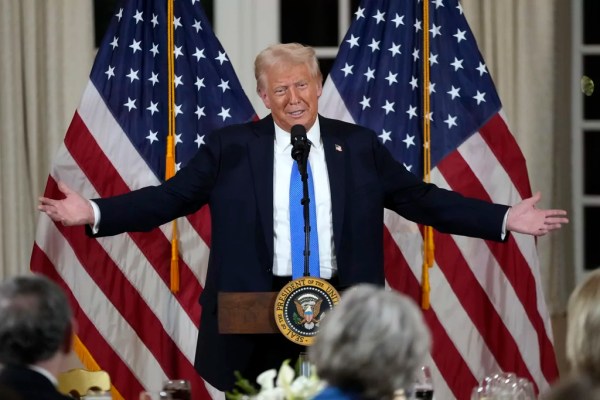
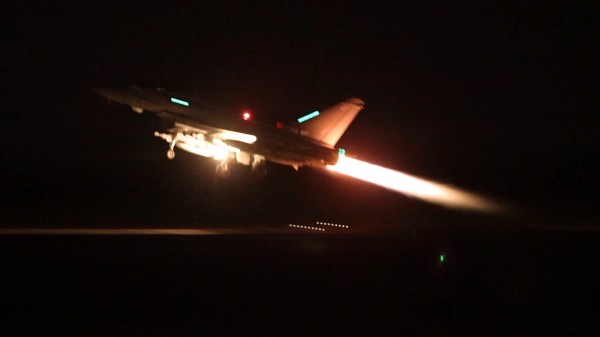
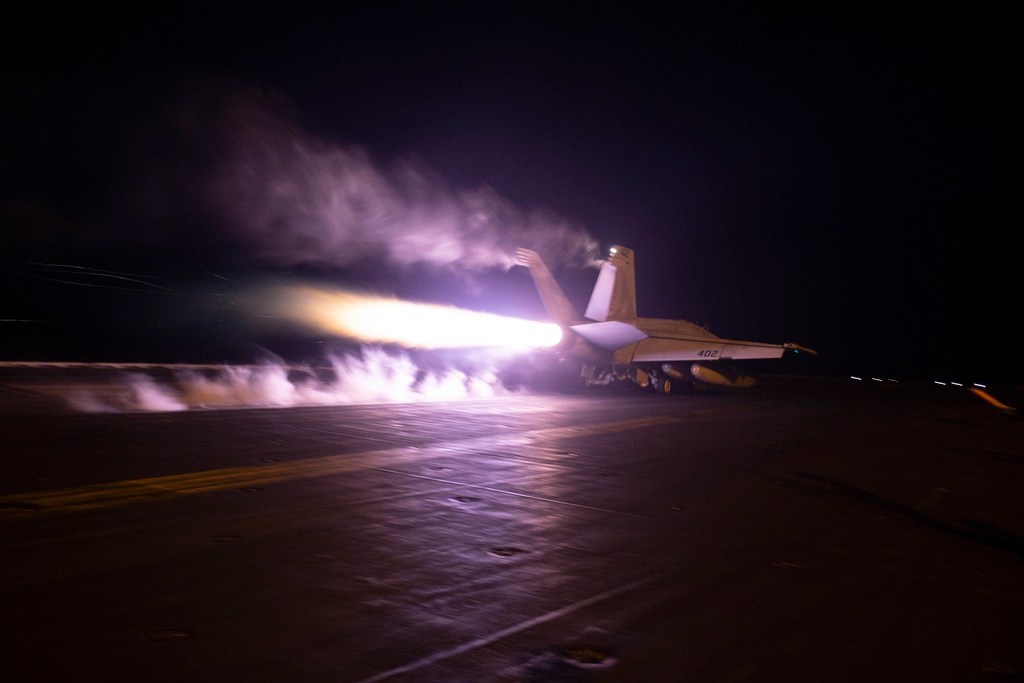
In response to Houthi aggression, U.S. Central Command (CENTCOM) launched a campaign of airstrikes, called Operation Rough Rider, against the Yemeni terrorist group in March 2025, which went on for more than seven weeks and struck more than 1,000 targets. Then, on May 6, President Donald Trump announced a ceasefire with the group, saying they would not attack the U.S. and that “they will not be blowing up ships anymore.” 

Predictably, the Houthis did not stick to their end of the bargain.

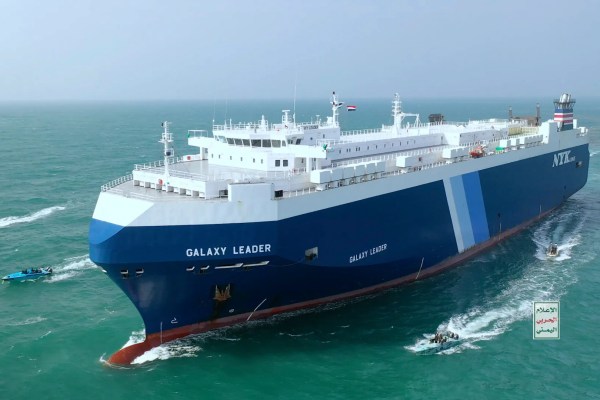
Only two months after the ceasefire, the group returned to targeting commercial ships, including killing innocent crewmembers. From May 2025 until the end of attacks in October 2025, the Houthis targeted four ships with missiles, drones, and other weapons, severely damaging one and sinking two.

The group also continued its attacks on Israel, which was not a party to the ceasefire. After a brief pause early in 2025 during a temporary ceasefire in Gaza, the Houthis resumed launches against Israel in mid-March as Operation Rough Rider was underway. They went on to launch more than 90 ballistic missiles and at least 45 drones at the Jewish state during and after the U.S. air campaign.

Tehran’s Yemeni partner also spent the months since Operation Rough Rider rearming through continued weapons smuggling and efforts to improve their domestic production. While local forces have had notable successes in intercepting these efforts, they have by no means stopped the flow of arms and components to the Houthis.

There is no consensus on why the Houthis have chosen to hold their fire this round, but one thing is certain: It is a strategic choice, not a lack of capability.

The Trump administration aims to “degrade [Iran’s] proxy terror networks” in Operation Epic Fury. To accomplish this, it will need to devote focused attention to Yemen. Operation Rough Rider and subsequent Israeli strikes, particularly against senior Houthi leadership — including the killing of military chief of staff Mohammad al Ghamari — have damaged Houthi capabilities. However, they maintain forces, ballistic missiles, drones, and anti-ship capabilities. They will continue to present a threat to Israel, commercial shipping, and America’s regional partners.

The U.S. can only address this challenge by coupling the ongoing targeting of the Islamic Republic’s assets with a strategy to counter the Houthis. This should leverage local partners, Yemeni and Saudi, prioritize maritime interdiction of Houthi-smuggled weapons and components not only by the U.S. but by regional powers in the Combined Maritime Forces, and increase intelligence efforts and coordination among the U.S., Yemenis, and countries in the region to prepare for future action. Houthi supply lines from China also must be severed through interdictions and sanctions on procurement networks.

TRUMP NEEDS TO GIVE A SPEECH IN NORMANDY

The strategy also must target Oman as a financial and logistics hub for the group, which must be shuttered. Oman has been given a shock by Iran lashing out at all its neighbors, including itself and Qatar, which did nothing to provoke it.

Now is the moment to extend the damage done to the Islamic Republic throughout its regional terrorist network and capitalize on its regional aggression to leave Tehran and its Houthi partners isolated.

Edmund Fitton-Brown is a Senior Fellow at the Foundation for Defense of Democracies. Bridget Toomey is a research analyst at the Foundation for Defense of Democracies and former British Ambassador to Yemen focused on Iranian proxies.

Related Content