Restoring America

Conservative values, National renewal

Menu

Trump China visit in the rearview: High-stakes brinkmanship over Taiwan

Published May 19, 2026 6:00am ET


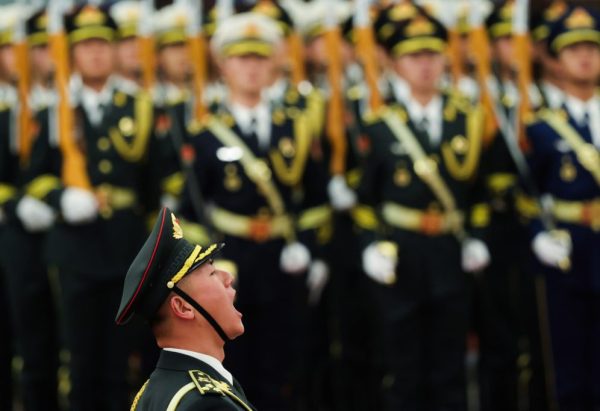
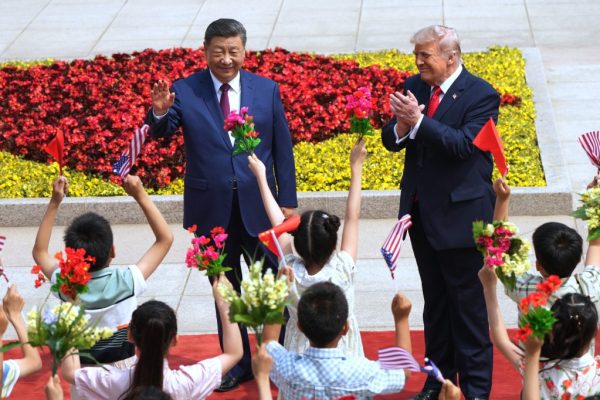
Both U.S. and Chinese officials tout President Donald Trump’s two-day visit to Beijing last week as a masterclass in pageantry and transactional diplomacy. Smiles were exchanged, lucrative trade deals were verbally committed to, and a fragile consensus was reached on stabilizing bilateral ties and managing global flashpoints such as the Iran crisis.

Yet, beneath the diplomatic veneer, the entire architecture of the U.S.-China relationship remains precarious. Beijing has quietly but firmly hinged all these newfound diplomatic gains and trade results on a single, nonnegotiable issue: Taiwan.

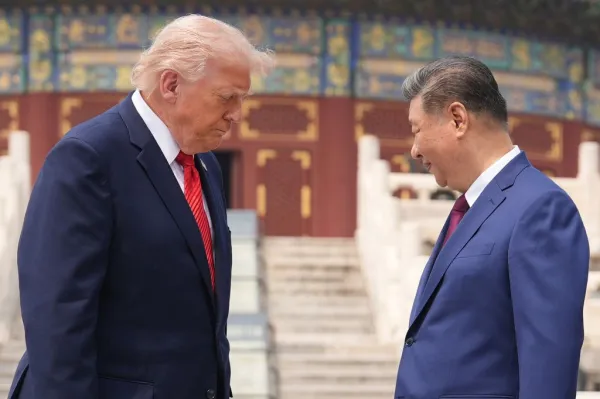
During the summit, Chinese President Xi Jinping issued a stark, unambiguous warning directly to the American delegation. Xi made it clear that if the Taiwan issue is handled properly, the U.S.-China relationship will grow and prosper. However, any mishandling of the issue will lead directly to clashes and even military conflicts.

TRUMP LEAVES CHINA WITHOUT MAKING A ‘DETERMINATION’ ON TAIWAN ARMS SALE

While the U.S. side has publicly attempted to downplay this fiery rhetoric as standard Chinese posturing, Trump now faces an immediate, high-stakes “stress test” that will prove whether his Beijing triumph was substance or merely illusion.

The $140 million dilemma

The fuse for this crisis is a pending $140 million arms sales package to Taiwan, which secured U.S. congressional approval in January. Trump deliberately postponed greenlighting the sale until after his China trip to avoid jeopardizing the high-profile summit. Now, he can delay no longer.

If Trump OKs the sale, will it completely wipe out the progress achieved in Beijing? Probably not entirely, but it will force Trump into significant diplomatic compromises that could quickly turn his “successful” visit into a dud.

Some U.S. strategists also express concerns about how Trump handled the Taiwan topic during the summit. Trump openly acknowledged that Xi raised the issue of U.S.-Taiwan arms deals during their discussions. Under the “Six Assurances” delivered by President Ronald Reagan to Taiwan in 1982, the United States explicitly committed not to consult with Beijing on weapon sales to the island. Though Trump later insisted he wasn’t altering American policy, the risk is merely discussing the sales with Xi skates dangerously close to violating that decades-old promise.

Furthermore, Trump revealed that Xi directly asked whether the U.S. would militarily defend Taiwan in the event of a Chinese attack. Trump declined to answer. While this aligns with the traditional U.S. policy of “strategic ambiguity,” such blunt interaction is unprecedented.

A risky strategy of conditions

This creates a high-stakes game of brinkmanship. Dare Trump approve the arms sale immediately after his trip? If he does, dare China vaporize the trade commitments it just made?

Trump may attempt to pivot by imposing conditions on Xi, using a tactic along the lines of: “If I agree to hold on to the arms sale, you must agree to cool down your military threats in the Taiwan strait.” This might look like the art of the deal. The broader concern, however, is that doing so would condition Taiwan’s defense on bilateral negotiations with Beijing.

In his interview with Fox News in Beijing, Trump attempted to justify his caution by highlighting the sheer geography of a possible conflict, claiming that the worst-case scenario would be entering a war with China over an island 9,500 miles away from the U.S. mainland, while China sits a mere 100 miles from Taiwan.

This assessment is unfortunately flawed. Thanks to a robust U.S. military presence in neighboring countries such as Japan, the Philippines, and Australia — allies expected to provide heavy support in a crisis — the U.S. would not be fighting from 9,500 miles away.

In fact, distance is a distinct American advantage. The U.S. mainland remains safely insulated from conventional theater operations. It is actually China that faces the more suffocating geographical vulnerability. Taiwan sits directly adjacent to China’s most developed, densely populated southeastern coast. This region holds China’s economic engines — metropolises such as Shanghai and Hangzhou — alongside critical manufacturing hubs and numerous nuclear power plants. In the event of a war over Taiwan, the collateral damage to China’s economic core would far exceed what the Chinese side could politically or economically endure.

TRUMP MOVES QUIETLY TO COUNTER CHINESE PRESSURE ON TAIWAN

Ultimately, Trump’s post-summit reality boils down to a classic test of nerves. If he freezes the arms sale to appease Beijing, the Asia-Pacific region and the broader international community will panic over a fragile balance of power turning decisively in China’s favor. If he approves the sale and China retaliates by withdrawing its trade commitments, American farmers — a vital domestic constituency for Trump — will bear the immediate economic brunt.

Is there a third option? Is another postponement of the Taiwan arms sale by the Trump administration possible? Probably yes, but it will become a tactical win for China and, meanwhile, a hard pill for the U.S. and Taiwan to swallow strategically.

David W. Wang is a senior international business executive, geopolitical affairs consultant, analyst, and writer based in the Washington, D.C., metro area. David is the author of Decoding the Dragon’s Mindset: Inside China’s Destiny and its Hint to the World and can be contacted at [email protected].