Restoring America

Conservative values, National renewal

Menu

Washington shouldn’t punish small businesses for growing — or forget the smallest ones

Published September 8, 2026 11:00am ET


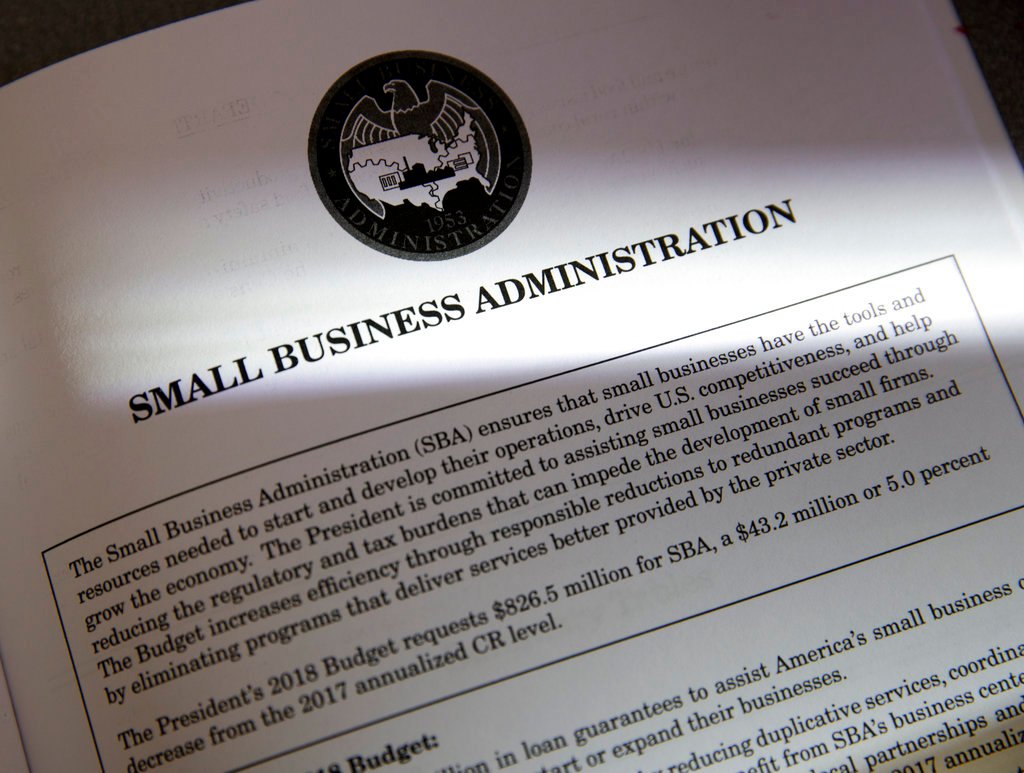
What counts as a small business in America? Washington is reconsidering the answer. On Aug. 20, the Small Business Administration proposed raising size standards for what qualifies as a small business, allowing more than 110,000 additional businesses to qualify for billions of dollars in set-aside government contracts and SBA-backed lending.

These programs exist to power economic opportunity for businesses that employ nearly half of the private-sector workforce and account for over 43% of U.S. gross domestic product — businesses that are vital to our economy but often can’t compete with the country’s largest companies for the same government contracts.

There’s good reason to revisit these rules. Inflation and shifting economic conditions have changed the operating reality across sectors, and the current thresholds haven’t kept pace. There’s another reason: a business doesn’t stay the same size forever, and it shouldn’t lose access to the programs and tools that helped it succeed simply because it succeeded.

But there is another side to that equation: As Washington considers raising the ceiling on what qualifies as small, it cannot lose sight of just how small most American small businesses actually are. Under the agency’s current standards, the ceiling for most industries tops out at $47 million in annual revenue, or 1,500 employees — and the changes now on the table would raise those thresholds substantially. 

This creates a different challenge. The larger the definition of “small business” becomes, the wider the gap between businesses under the same label. Consider what America’s small-business economy actually looks like.

Approximately three-quarters of all U.S. employers have nine or fewer employees, and, according to the Intuit QuickBooks Small Business Index, average real monthly revenue for those businesses was $49,850 in August 2026 — roughly $598,000 a year. That is a small fraction of even today’s $47 million ceiling. Whatever standard the SBA ultimately adopts, it should be one that still sees and serves businesses operating at that scale. 

Public policy has to accomplish two things at once: give growing businesses room to succeed while continuing to support the smallest businesses. That doesn’t mean preserving today’s SBA thresholds forever, nor should every industry have the same definition of small. But it does mean that policymakers should keep the businesses at the bottom of the size range firmly in view as they decide where the upper boundary belongs.

Redrawing a line is only part of the answer. Businesses at every size need the same basic things to compete: access to affordable capital, less time buried in paperwork, and modern, often AI-powered tools that are now table stakes for running a business.

THE ‘DOWNSTREAM’ DELUSION: HERE’S WHO REALLY POWERS CORPORATE AMERICA

One of those steps is already moving. The bipartisan Small Business Technological Advancement Act passed the House by a vote of 414 to 4 this summer. It would codify into law a change the SBA already made administratively — allowing 7(a) loan funds to cover the software and digital tools small businesses rely on to compete. The Senate should take it up. Wherever the SBA draws its new line, legislation like the SBTAA is a way to power prosperity for solopreneurs and mid-market companies alike.

The SBA’s instinct to encourage growth is the right one. And as small businesses are given more room to grow, it’s equally crucial that America’s smallest businesses still have room to compete.

Michael Kennedy is a Senior Vice President and Chief Corporate Affairs Officer at Intuit, the global financial technology platform behind TurboTax, Credit Karma, QuickBooks, and Mailchimp.