

In his class The Soldier and the State, Samuel Huntington warned of the limitations of strategic “monism,” an overreliance on a single means or method of operations. No matter how successful a tactic or technology has been in the past — or presently remains — this approach depends upon the enemy being conveniently predictable.
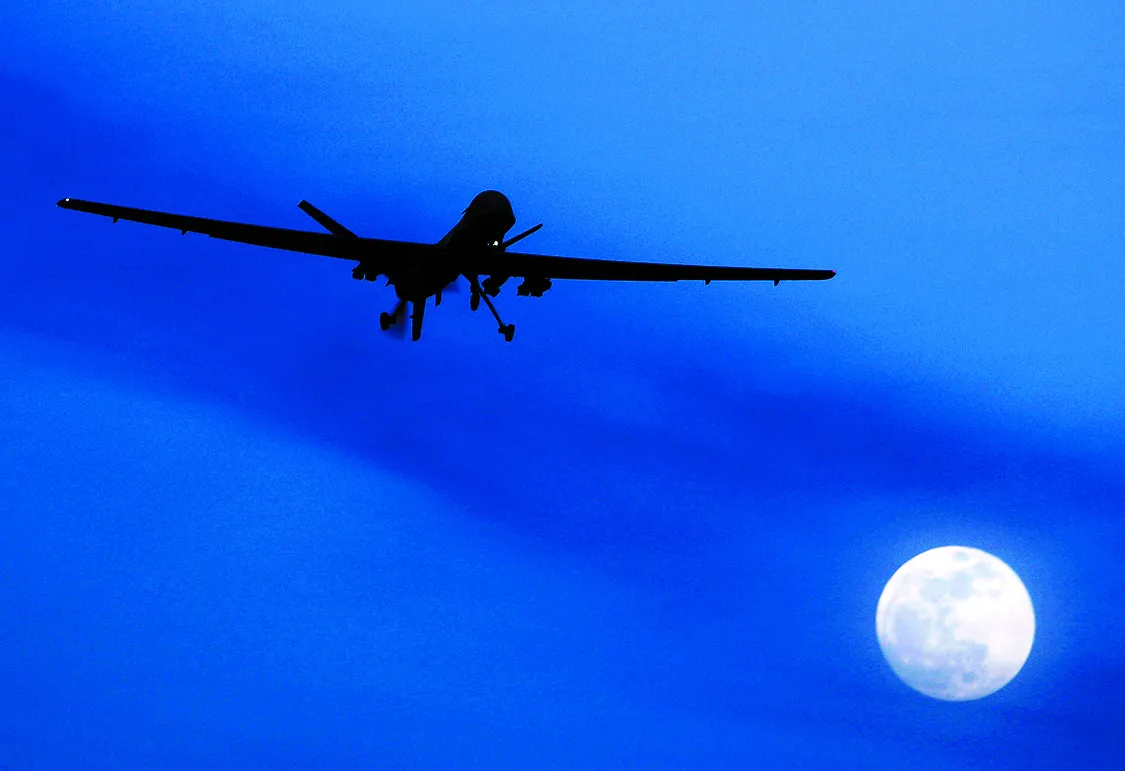
There is perhaps no better example of the problems of the monist fallacy than “over-the-horizon” counterterrorism. Addicted to the illusions of precision, low risk of casualties among one’s own forces, and the immediate gratification of dramatic strike video and special operations raids, the US military — or, more accurately and dangerously, their civilian masters — believes that such operations are an effective way to suppress terrorist groups. In his July announcement confirming the complete withdrawal of American troops in Afghanistan, President Biden boasted that “we are developing a counter-terrorism over-the-horizon capability that will allow us to keep our eyes firmly fixed on any direct threats to the United States in the region, and act quickly and decisively if needed.”
Stay informed.Stay ahead.
Join Washington Examiner for unlimited access to the news, analysis, and commentary that matter most.
Already a member? Log in
