

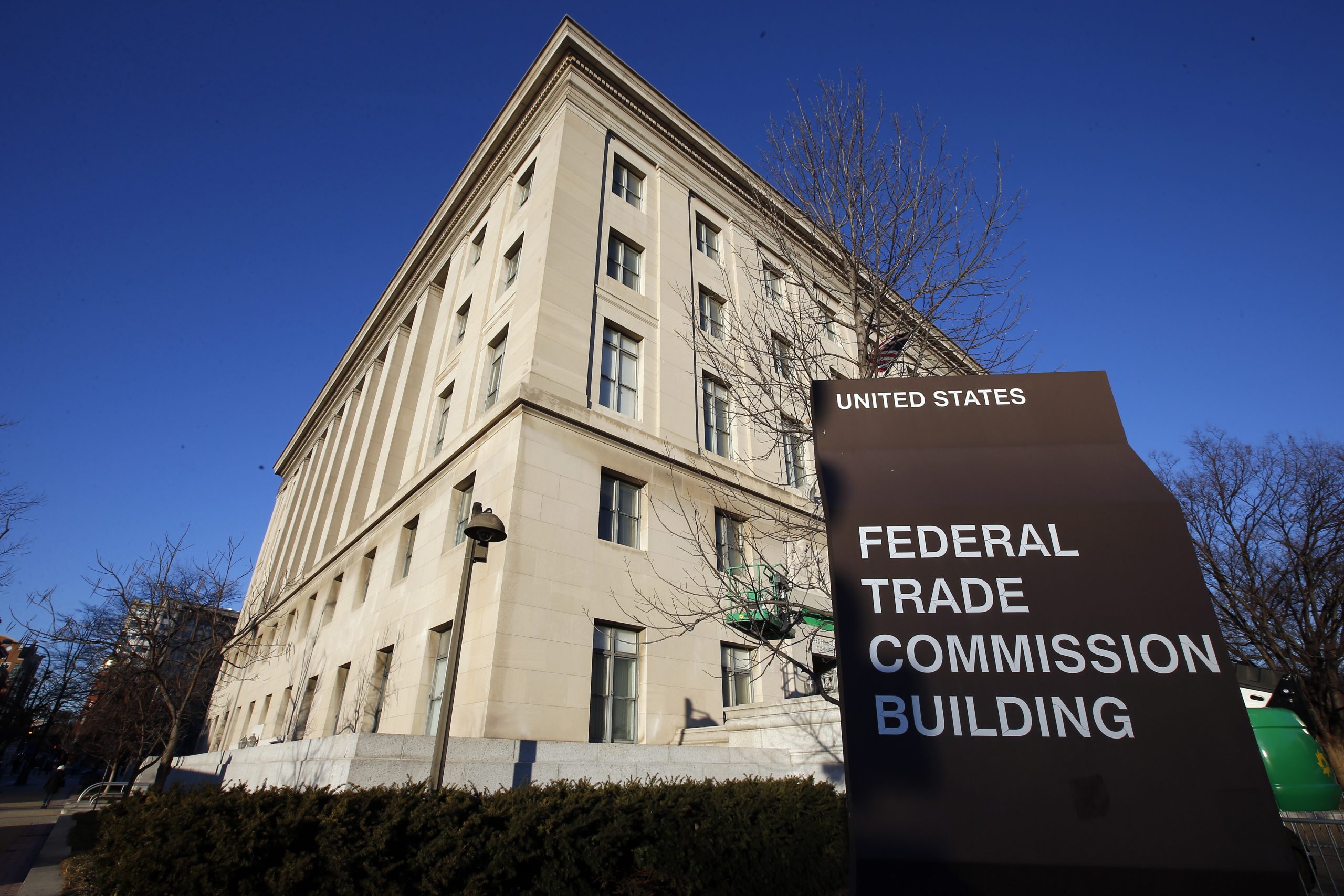
Modern progressive thinkers are united in their newfound determination to ramp up antitrust enforcement to respond to their perception of greater monopoly risks. Lina Khan, the new head of the Federal Trade Commission, spearheaded the agency’s decision on a straight party-line (3–2) vote to withdraw the revised Vertical Merger Guidelines the FTC and the Department of Justice had issued in June 2020. The reason: to combat the twin problems of rising prices and shrinking wages, without saying exactly how these means and ends are connected. That wage motif was even more prominent in acting head of the Antitrust Division Richard Powers’s assertion that any violation of the antitrust law is “just as irredeemable as agreements to fix product prices and allocate markets, conduct that the division has prosecuted for over one hundred years.”
Powell’s remarks did not arise in a void, but were inspired by a large body of recent scholarship that claims that powerful quantitative techniques induce large wage reductions through excessive concentration in labor markets. As in other areas, the antitrust violations could be of two sorts. First, competitors may explicitly seek to lower wages or divide markets, using, as in the tech industry, so-called “no-poach” agreements, as between different tech firms. Here, the issues of proof are relatively easy, because the needed evidence is all on the paper record, so that all that remains is to apply sound, well-established antitrust principles.
Stay informed.Stay ahead.
Join Washington Examiner for unlimited access to the news, analysis, and commentary that matter most.
Already a member? Log in
