

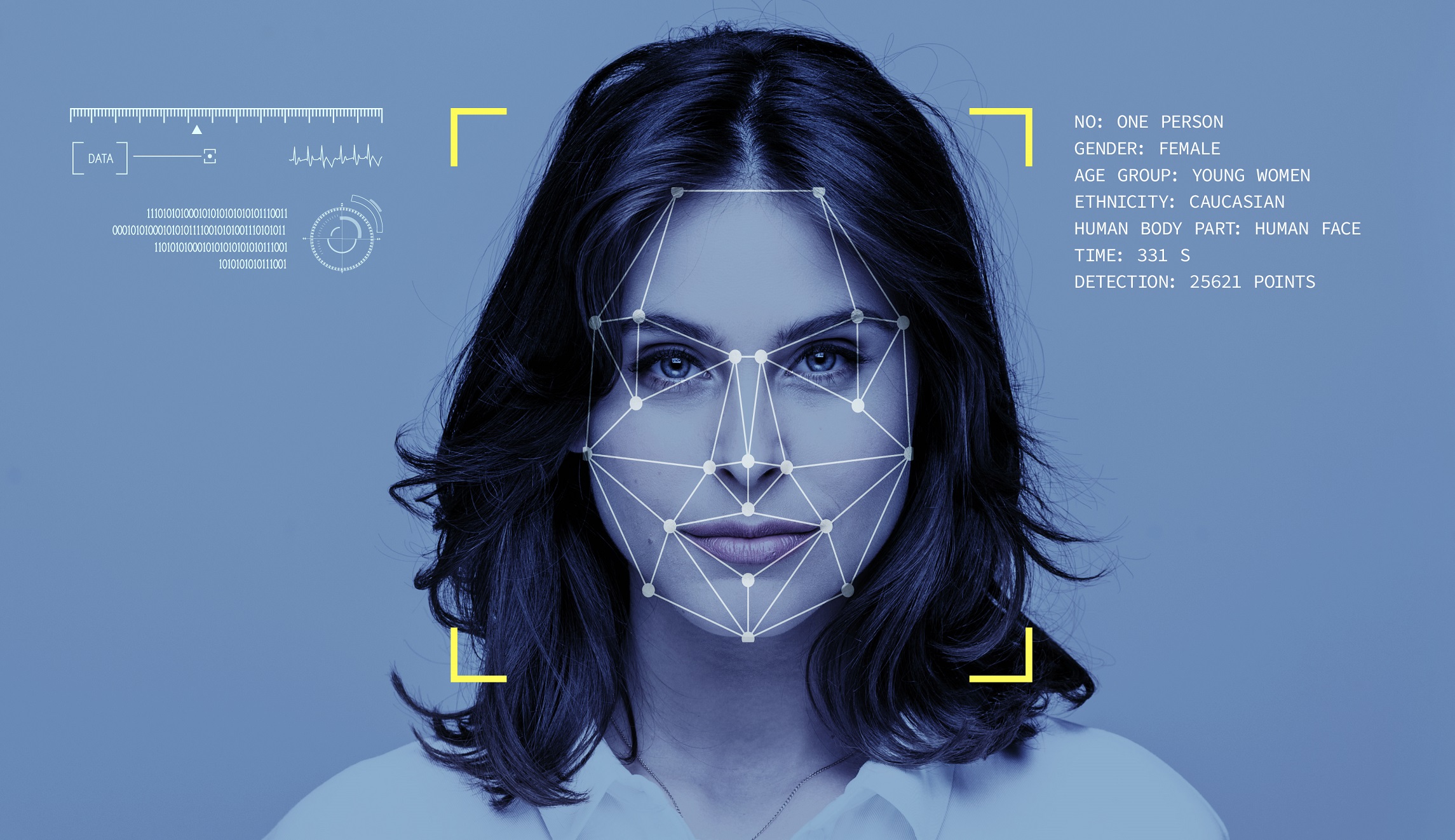
Following the United States’ withdrawal from Afghanistan, the Taliban have reportedly seized biometrics devices left behind by the US military. Over the past 20 years, these devices collected information on Afghan citizens who assisted the US military, which was then sent to a Department of Defense (DOD) database. One of the devices, known as Handheld Interagency Identity Detection Equipment (HIIDE), was deployed in 2016 to collect iris scans and fingerprints to enable quick identification of Afghan citizens and expand the aforementioned database of their information. The DOD also built a highly classified Automated Biometrics Identification System (ABIS), which hosted information from HIIDE and other data-collection devices.
Due to the incredible capabilities brought about by the computing power of today’s technologies and the convenience of being able to use biometric identification in the field via HIIDE, all these data points can be cross-referenced to identify a person in minutes, if not seconds. While the Taliban’s ability to access the HIIDE data remains in question, military experts say a potential Taliban ally — China, Pakistan, or Russia — may be able to do so.
Stay informed.Stay ahead.
Join Washington Examiner for unlimited access to the news, analysis, and commentary that matter most.
Already a member? Log in
