

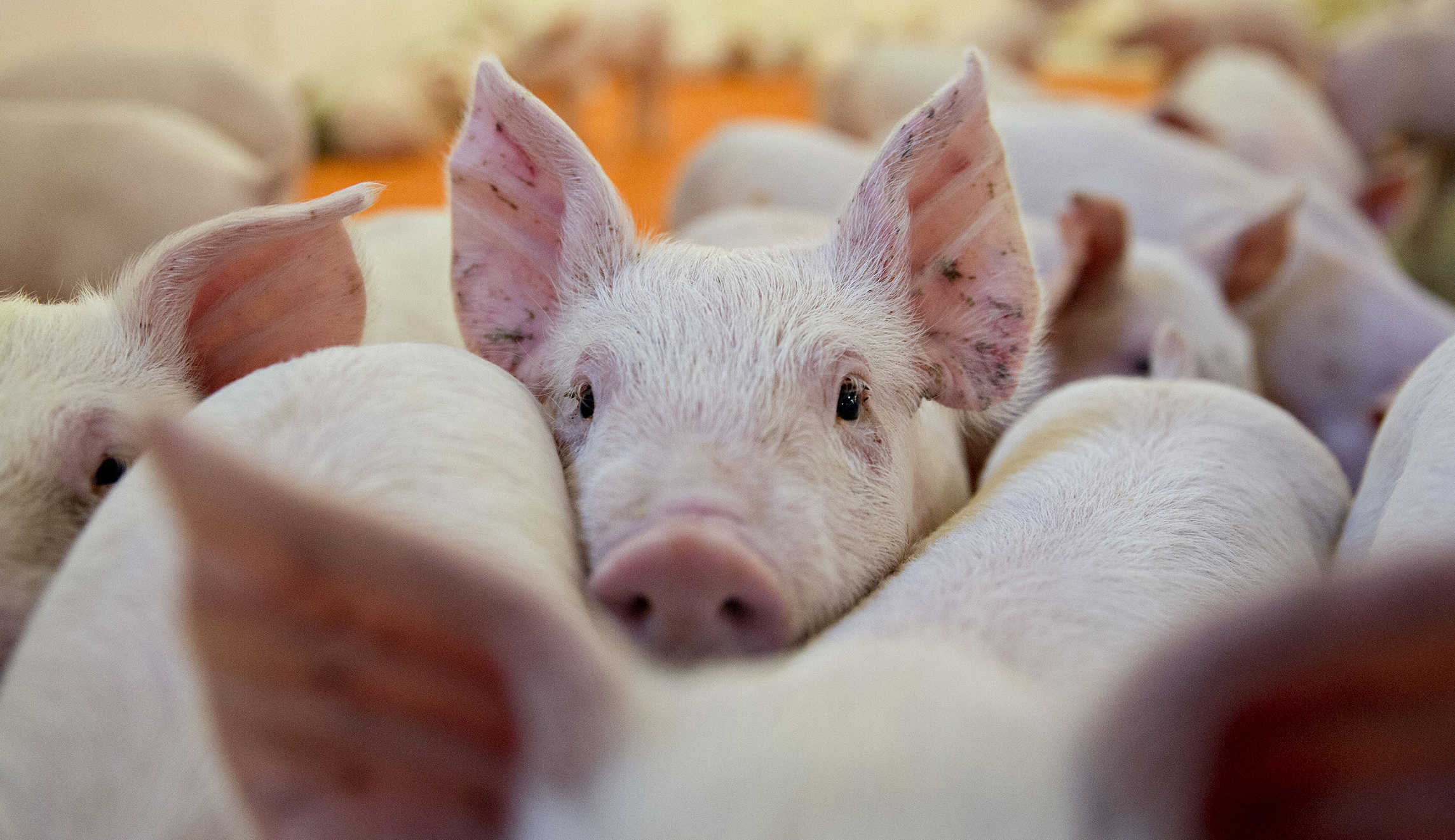
In 2018, California voters approved Proposition 12, a far‐reaching law designed “to prevent animal cruelty by phasing out extreme methods of farm animal confinement.” The law requires that all pork, veal, and eggs sold in the state comply with new restrictions on how the animals can be confined. That means that pork producers in other states will have to comply with California law if they want to sell there.
In the wake of the law, many suits were filed by various agricultural entities arguing that California law was unconstitutionally crossing state borders and regulating interstate agricultural markets. This is especially true for the pork industry, which has very little presence in California—only about 0.2 percent of the country’s breeding sows are in the state. The pork industry is a highly integrated interstate market where a pig farmer in North Carolina might sell his stock to a meatpacker in Illinois, who then distributes to California. It’s very difficult to trace a given cut of meat back to its source and verify that the farmer complied with California law.
Stay informed.Stay ahead.
Join Washington Examiner for unlimited access to the news, analysis, and commentary that matter most.
Already a member? Log in
